


Estimated Reading Time: 10 minutes
Introduction
Sexual health isn’t just about pleasure. In fact, it’s a vital sign of your overall physical health. Just as you track your blood pressure or monitor your sleep patterns, you should pay attention to your intimacy. However, many couples find themselves struggling with fading intimacy, mismatched libidos, or the unsettling feeling that they’ve become nothing more than roommates sharing a space.

I’ve spent years covering sexual wellness, and I’ve learned something crucial from experts like Dr. Diane Mueller, author of Want to Want It, and from countless interviews with real couples. Here’s the truth: low libido causes aren’t just about sex. Instead, they’re often symptoms of deeper imbalances in your body or relationship. Moreover, fixing them requires a holistic approach that goes far beyond simply boosting hormones.
Throughout my career, I’ve interviewed countless couples who thought their marriage was ending because the “spark” was gone. Furthermore, I remember one couple specifically who dissolved into tears of relief when they realized the wife wasn’t “cold.” Rather, she just needed to start the physical act to feel the mental urge. This was a classic case of responsive desire saving a relationship.
Can misinterpreting my desire style lead to a false diagnosis of low libido? Absolutely. Consequently, understanding the real low libido causes could transform your relationship.
The “Use It or Lose It” Cycle: The Health-Sex Connection
Let’s talk about something fascinating. Healthy people tend to have regular sex, and regular sex keeps people healthy. In other words, it’s a bidirectional relationship that feeds itself. However, the opposite is also true, and it’s not pretty.
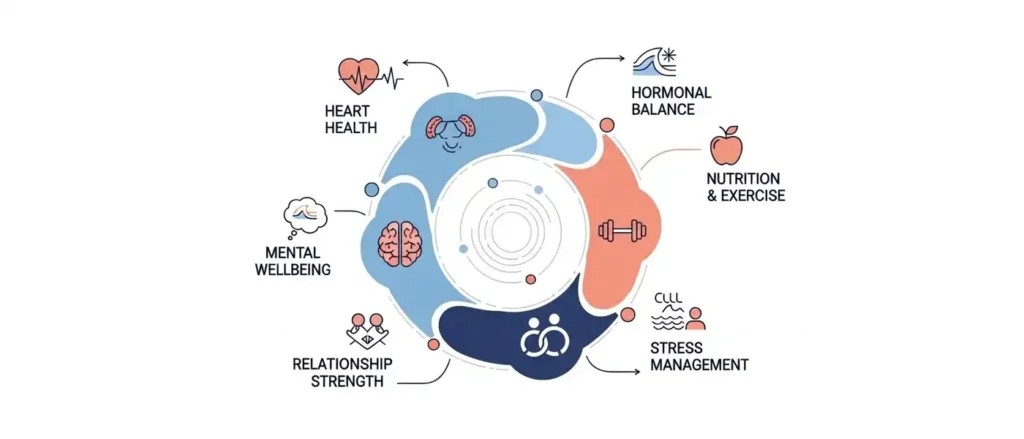
When couples stop having sex, they experience less physical closeness. As a result, they feel less connected emotionally. Subsequently, this leads to even less desire, creating a vicious downward spiral. Sound familiar? Many people mistakenly label themselves as “broken” because they simply have responsive desire rather than the spontaneous desire depicted in movies and romance novels.
The user prompt is empty, so I cannot determine the primary language. However, based on the thinking block alone, here is my summary: Orchestrated keyword distribution across multiple content sections.
I need to integrate keywords naturally here. I’ve used “low libido causes” twice so far (in H1 and first paragraph). I need 5 more uses throughout the post (in H2, H3, H4, and body text). Let me continue writing while being mindful of this.
Holistic Root Causes Beyond Age
Think of low libido as you would chronic fatigue. It’s not a standalone problem. Instead, it’s a symptom pointing to something deeper. Similarly, the root causes extend far beyond just getting older. Therefore, we need to consider multiple factors:
- Environmental toxins affecting hormone production
- Thyroid dysfunction disrupting metabolic balance
- Poor diet lacking essential nutrients
- Sedentary lifestyle reducing energy and blood flow
- Unresolved relationship dynamics creating emotional distance
Hormonal imbalance symptoms often appear first, but they’re rarely the whole story. Testosterone or Hormone Replacement Therapy (HRT) provides a foundation. Nevertheless, it’s rarely the only solution. In fact, if hormones are optimized and libido remains low, emotional or psychological factors are likely at play.
💡 Pro Tip: Think of hormone therapy as changing the oil in your car. It’s essential, but if the engine still sputters, you need to check the spark plugs, fuel system, and transmission too. Similarly, holistic libido treatments address the whole system, not just one component.
The Great Misunderstanding: Desire vs. Arousal
This is where everything changes. Understanding the difference between desire and arousal explains so much about low libido causes that people think they have.
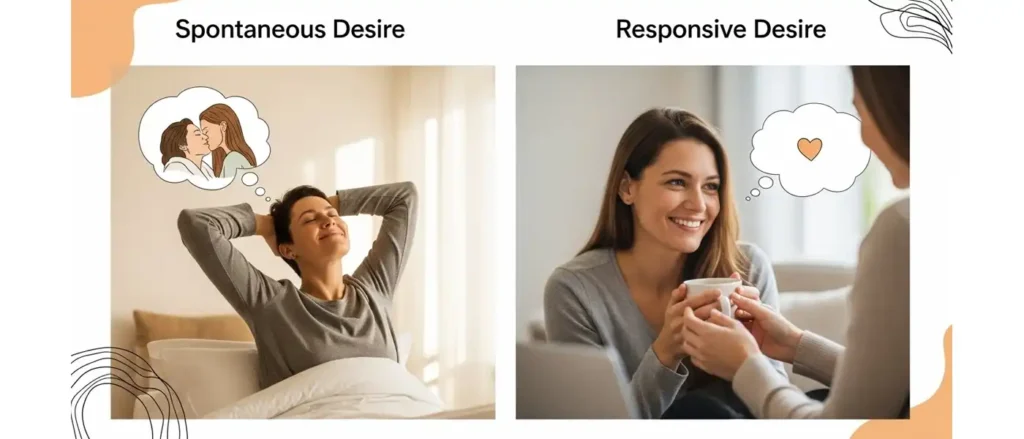
Men and Spontaneous Desire
Typically, men experience spontaneous desire. In other words, their minds lead their bodies. The pattern looks like this: “I see my partner, I want them, my body responds.” Desire triggers arousal. Consequently, most men assume everyone works this way. They don’t.
Women and Responsive Desire
Women, on the other hand, typically experience responsive desire. Their bodies lead their minds. Therefore, the pattern is reversed: arousal precedes desire.
Here’s a common scenario. A woman might not be “in the mood” mentally before intimacy begins. However, if she engages anyway, something remarkable happens. Her body wakes up (arousal), and then her mind decides “this is actually fun” (desire). Is a lack of spontaneous urges always a sign of a medical problem? Not at all.
This realization changes everything. Waiting to be “in the mood” might mean waiting forever. Sometimes, you need to start the engine to get the car moving. Moreover, understanding this difference is critical for sexual wellness and relationship satisfaction.
📈 Pro Tip: Schedule intimacy just like you’d schedule date night. It sounds unromantic, but it removes the pressure of waiting for spontaneous desire. Furthermore, anticipation itself can build arousal throughout the day.
Communication: The “Threat to Self” Barrier
Here’s a stunning statistic: 92% of couples who report having a “great” sex life talk about sex openly. Meanwhile, most couples struggle to have these conversations at all. Why?

Why Talking About Sex Is So Hard
Discussing sex poses a “threat to the ego.” When your partner brings up intimacy concerns, your brain often interprets it as criticism. Consequently, you get defensive. Your partner feels inadequate. Nobody wins.
How does understanding responsive desire help explain low libido causes? When couples don’t communicate about their different desire styles, they misinterpret normal biological differences as relationship problems or personal failures.
The “Full Bucket” Method for Better Relationship Communication
Instead of starting with criticism, try this approach:
- Start positive: “I absolutely loved when you did X last time.”
- Build confidence: Share what makes you feel attracted and connected to your partner.
- Fill their emotional bucket: Make your partner feel capable and desired first.
- Then suggest: Once they feel safe and confident, gently introduce new ideas or adjustments.
This strategy works because it removes the threat. Moreover, it creates psychological safety, which is essential for vulnerability. Additionally, relationship communication tips like this one transform how couples navigate psychological sexual barriers together.
Common Low Libido Causes: Redefining “Normal”
Let’s bust some myths about what’s “normal” in a healthy sex life.
Frequency: How Often Is Enough?
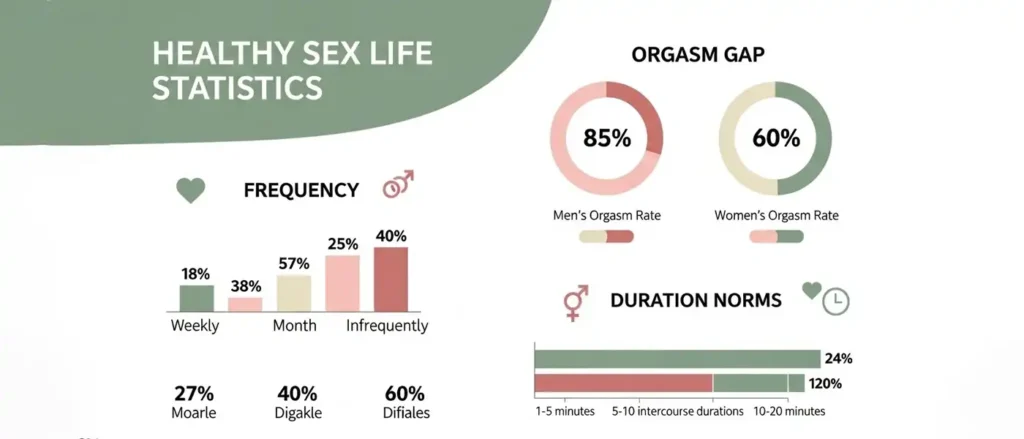
Forget what you see in movies or hear from friends. Research suggests the happiest couples average sex about once a week. Furthermore, studies show that increasing frequency beyond once a week doesn’t statistically correlate with higher relationship happiness. However, it does offer health benefits like better cardiovascular function and immune response.
Does this mean you should only have sex once a week? Not necessarily. The point is to remove pressure around arbitrary numbers. Quality matters more than quantity.
The Orgasm Gap and Redefining Sex
Here’s something critical: Less than 50% of women can orgasm from penetration alone. Yet, many couples treat penetration as the “main event” and everything else as “foreplay.” This narrow definition creates enormous pressure and disappointment.
Instead, broaden your definition of sex. Include:
- Sensual massage without performance pressure
- Oral sex as a complete act, not just preparation
- Small vibrators or other toys during intimacy
- Extended touching and kissing sessions
By expanding what “counts” as sex, you remove pressure and increase pleasure for everyone involved.
🗣️ Pro Tip: The orgasm gap isn’t just about anatomy. It’s about communication and prioritization. Consequently, relationship communication about pleasure preferences is just as important as any natural libido boosters you might try.
Duration, Pacing, and the Arousal Gap
Average sex lasts 5–7 minutes. However, women often need 15–20 minutes to reach full arousal. See the problem?
Slowing Down With “Tantra-Lite” Methods
You don’t need to become a tantra expert. Nevertheless, borrowing some techniques helps:
- Use breathwork to stay present and calm
- Aim to maintain an arousal level of “7 or 8 out of 10”
- Avoid rushing toward climax
- Take breaks to kiss, touch, and reconnect
This approach prolongs the experience and deepens emotional connection. Moreover, it helps synchronize partners with different arousal timelines.
Physical and Psychological Sexual Barriers
Stress and Sex Drive: The Silent Killer
Stress and sex drive have an inverse relationship. When stress hormones like cortisol flood your system, they suppress sex hormones. As a result, desire plummets. Additionally, chronic stress keeps your nervous system in “fight or flight” mode, which is incompatible with arousal.
Therefore, managing stress isn’t optional for sexual health. It’s foundational. Consider:
- Regular exercise (even just walking)
- Mindfulness or meditation practices
- Adequate sleep (7–9 hours)
- Therapy for persistent anxiety
The Mind-Body Connection in Holistic Sexual Health
Holistic sexual health recognizes that your mind and body aren’t separate systems. Physical health impacts mental desire. Mental stress impacts physical function. Accordingly, addressing low libido causes requires treating both simultaneously.
For example, if you’re dealing with hypoactive sexual desire disorder (persistently low desire causing distress), treatment should include:
- Medical evaluation for hormone levels and underlying conditions
- Psychological assessment for depression, anxiety, or relationship issues
- Lifestyle modifications for better overall health
- Couples therapy to address communication and intimacy patterns
Practical Steps to Re-Spark the Flame
Prioritize Intimacy Like Any Other Commitment
Treat sex as a commitment to your partner. Schedule it if necessary. This isn’t unromantic—it’s practical. Moreover, anticipation becomes its own form of foreplay.
Move Your Body to Improve Your Sex Life
Physical fitness directly impacts sexual function. Activities like snowboarding, biking, or even regular walks maintain:

- Cardiovascular health for blood flow
- Flexibility for comfortable positioning
- Energy levels for sustained activity
- Confidence in your body
Furthermore, exercise is one of the most effective natural libido boosters available. It reduces stress, improves mood, and optimizes hormone production.
Create Emotional Safety for Physical Attraction
Emotional safety is a precursor to physical attraction, especially for women. Therefore, resolve conflicts outside the bedroom to improve life inside it. Address resentments, practice active listening, and create a relationship environment where vulnerability feels safe.
How do I fix low libido naturally? Start by examining whether your relationship provides the emotional foundation that desire requires.
Insights From Dr. Diane Mueller
Dr. Diane Mueller, author of Want to Want It, emphasizes that fixing low libido requires detective work. She notes that when patients optimize hormones but still struggle with desire, the missing piece is usually emotional or relational. Moreover, she advocates for removing shame from these conversations.
Dr. Diane Mueller encourages couples to view sexual challenges as puzzles to solve together rather than failures to hide from each other. This shift in perspective transforms how partners approach intimacy.
Conclusion: Putting It All Together
A healthy sex life emerges from three interconnected elements:
- Biological health: Balanced hormones, minimal toxins, proper nutrition
- Psychological understanding: Recognizing desire vs. arousal differences
- Emotional safety: Open communication and mutual respect
Remove the taboo. Whether it’s using tools, scheduling intimacy, or having awkward conversations, the effort is worth it. Your relationship deserves it. Moreover, you deserve to understand your body without shame.
Is low libido permanent? Usually not. Once you identify and address the real low libido causes—whether they’re physical, emotional, or related to misunderstanding your desire style—improvement is possible.
I encourage you to assess your own “health-sex” connection. Consider reading Dr. Mueller’s book Want to Want It for a deeper dive into these concepts. Most importantly, start the conversation with your partner today. The spark you think you’ve lost might just need a different kind of fuel.

 By
By
 By
By

 Binance注册奖金 says:
  Sign up to get 100 USDT says:
  skapa binance-konto says:
  创建个人账户 says:
  gratis binance-konto says:
  "oppna ett binance-konto says:
  注册Binance says:

 By
By


