


Estimated Reading Time: 15 minutes
If you’ve felt let down by the little blue pill, you’re not alone. Moreover, you’ve probably wondered whether science has come up with something better. The truth is, erectile dysfunction treatment has quietly undergone a revolution over the past few years, and many men have no idea what’s now available beyond traditional pills like Viagra or Cialis.
As a seasoned sexual health journalist, I’ve watched this field evolve firsthand. Furthermore, I’ve spoken with countless men who felt trapped by their options—until they discovered new ED treatments and devices that changed everything. These innovations range from fast-acting topical gels you can buy over the counter to cutting-edge nerve stimulation for men recovering from prostate surgery. Consequently, the landscape of erectile dysfunction care now offers genuine alternatives that work faster, avoid systemic side effects, and address causes pills simply cannot touch.
In this post, I’ll walk you through the most promising new options, explain how they work, and help you figure out which might be right for your situation. Additionally, we’ll explore combination therapies, regenerative approaches, and specialized devices designed for men facing ED after radical prostatectomy. By the end, you’ll have a clearer roadmap for moving forward with confidence.

Why Look Beyond Traditional ED Pills?
Let’s be honest: PDE5 inhibitors like Viagra, Cialis, and Levitra have helped millions of men. However, they’re far from perfect. Studies show that up to 35% of men discontinue oral ED medications within the first year, often because of side effects, delayed onset, or simply because the pills don’t work well enough.
Think about it—these medications can take 30 to 60 minutes to kick in, which doesn’t exactly support spontaneity. Moreover, they come with headaches, flushing, nasal congestion, and potential interactions with heart medications. For men taking nitrates or alpha-blockers, PDE5 inhibitors are completely off-limits. Furthermore, conditions like severe heart disease, uncontrolled diabetes, or significant nerve damage from surgery often render pills less effective or unsafe.
That’s precisely why researchers have been racing to develop alternatives to Viagra and Cialis that offer faster results, fewer whole-body effects, and solutions for hard-to-treat cases. Consequently, we now have a toolkit that includes topical gels, energy-based devices, combination protocols, and even nerve stimulation—each addressing ED from a different angle.
💡 Pro Tip: If you’ve tried one or two ED pills without success, don’t give up. Nevertheless, speak with your urologist about underlying causes like low testosterone, vascular disease, or psychological factors that might need attention first.

Over-the-Counter Topical Gels: Speed Meets Convenience
What Is MED3000/Eroxon?
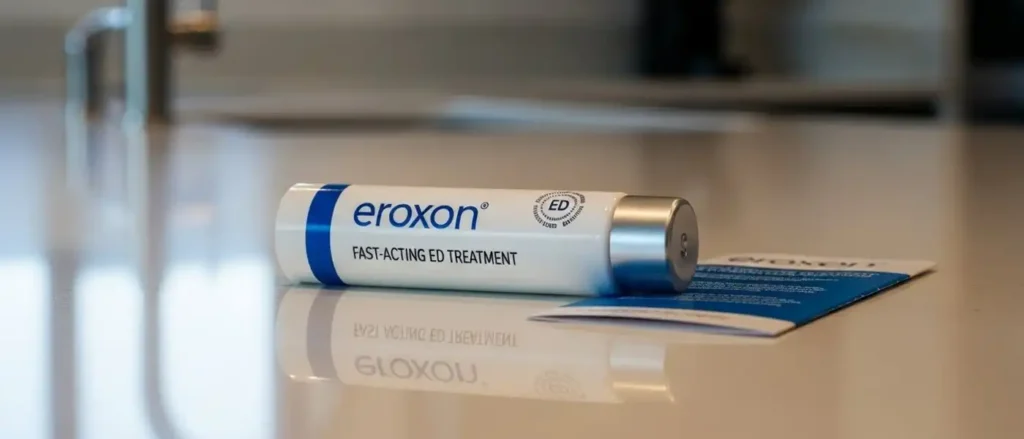
Imagine applying a gel directly to your penis a few minutes before sex and achieving an erection without swallowing a pill or dealing with systemic side effects. That’s the promise of topical ED gel like MED3000, marketed as Eroxon in many countries. Unlike oral medications, Eroxon is classified as a medical device, not a drug. Therefore, it’s available over-the-counter in the UK, Europe, and recently approved for OTC sale in the United States.
This fast-acting ED gel is designed to be applied to the glans (head) of the penis about 5 minutes before intercourse. Consequently, it represents a genuine breakthrough for men seeking spontaneity and simplicity.
How Does the Gel Work?
Instead of blocking an enzyme systemically like PDE5 inhibitors, Eroxon works through a unique physical mechanism. The gel creates a rapid cooling sensation followed by gentle warming. This thermal effect stimulates local nerve endings and promotes increased blood flow directly into the penile tissues. Because it acts locally, there’s minimal risk of drug interactions or cardiovascular side effects.
Furthermore, this over-the-counter ED treatment doesn’t require a prescription consultation, making it accessible to men who might feel embarrassed discussing ED with a doctor (though I always recommend professional guidance for persistent symptoms).
What Do Clinical Studies Show?
The Phase 3 clinical trial for MED3000 enrolled over 200 men with ED of various severities. Results showed that approximately 60–63% of participants achieved a clinically meaningful improvement in erectile function. Moreover, many men reported erections firm enough for penetration within just 10 minutes of application.
Interestingly, men with more severe ED actually showed better response rates in these studies. Additionally, effectiveness improved with continued use over several weeks, suggesting a potential cumulative benefit. The average time to erection was significantly faster than waiting for oral medications to take effect.
Benefits, Side Effects, and Who It’s For
Advantages of this natural-feeling ED treatment include:
- Onset within 5–10 minutes
- No systemic side effects like headaches or flushing
- Safe to use with most medications, including nitrates
- Low rate of local irritation for both user and partner
- Available without prescription in many regions
Side effects are typically mild—occasional warmth, tingling, or minor irritation at the application site. Partners rarely report discomfort, though some couples note the cooling sensation initially feels unusual.
This gel is ideal for men who cannot take PDE5 inhibitors due to heart conditions, those who dislike systemic side effects, or anyone seeking a fast, spontaneous option. However, if your ED stems from severe vascular damage or nerve injury, results may be less dramatic.
Have you ever wished for an ED solution that worked in minutes without the wait or the side effects? That’s exactly what topical gels aim to deliver.
📈 Pro Tip: Start with Eroxon on a night when you’re relaxed and not rushed. The first few uses help you and your partner get comfortable with the application routine, which can enhance confidence.
Non-Invasive Shockwave and Home Radiofrequency Devices
Low-Intensity Shockwave Therapy (LiSWT)
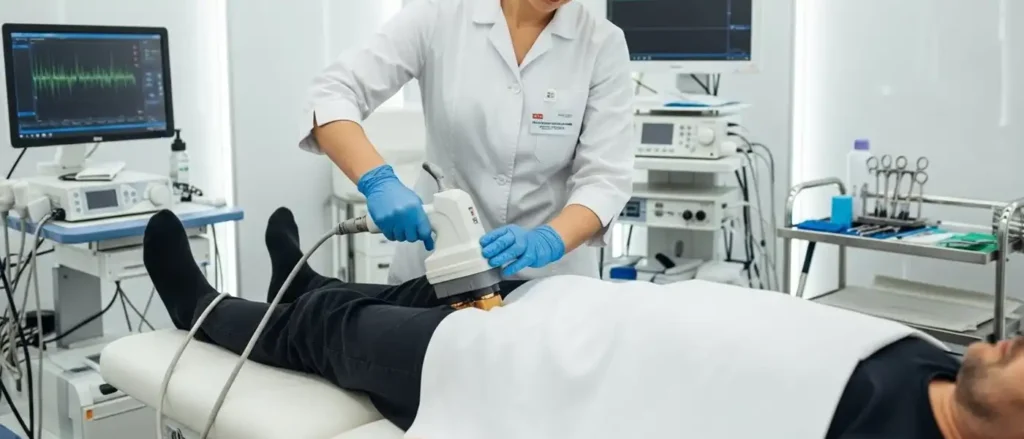
Shockwave therapy for ED sounds futuristic, but it’s been used in clinics for years. This treatment involves delivering low-intensity acoustic waves to the penis using a specialized device. These pulses stimulate the growth of new blood vessels (a process called neovascularization) and improve blood flow to erectile tissues.
Research suggests meaningful improvement in men with mild to moderate vasculogenic ED—those whose erections suffer primarily due to poor blood supply. Studies report that around 60–75% of carefully selected patients experience better erections after a series of treatments, often 6–12 sessions spread over several weeks.
Nevertheless, low-intensity shockwave erectile dysfunction therapy isn’t a one-size-fits-all solution. Results vary based on ED severity, underlying health, and whether you continue other treatments. Furthermore, it works best as part of a broader erectile rehabilitation strategy.
At-Home and Office-Based Radiofrequency Devices
Another wave of innovation comes from home-use radiofrequency device ED technologies. These devices gently heat penile tissues using radiofrequency energy, promoting microcirculation and collagen remodeling. The theory is that improved tissue health leads to better erectile response.
Some studies and manufacturer reports claim that RF device for erections treatments achieve response rates of 70–80% in selected patients. However, the quality of published evidence varies widely. Many of these devices are still emerging, and independent long-term data is limited.
The appeal of at-home RF devices is convenience—no clinic visits, minimal discomfort, and the ability to integrate treatment into your daily routine. Nevertheless, it’s critical to choose medically supervised, FDA-cleared devices rather than unproven gadgets marketed online without regulatory approval.
Pros, Cons, and Safety Considerations
Benefits of vascular therapy for ED via shockwave or RF include:
- Non-surgical approach
- Minimal pain or downtime
- Can be combined with pills, gels, or injections
- Addresses root vascular causes, not just symptoms
Limitations include:
- Cost (often not covered by insurance)
- Need for multiple sessions
- Variable study quality and device reliability
- Not effective for severe nerve damage or psychogenic ED alone
Do you feel frustrated that pills only mask the problem instead of fixing the underlying blood flow issue? That’s where regenerative and vascular therapies aim to make a real difference.
🗣️ Pro Tip: Before investing in shockwave or RF therapy, ask your provider for evidence of FDA clearance, published peer-reviewed studies, and realistic success rates. Beware of clinics promising “miracle cures.”
Combination Protocols: Stacking Therapies for Better Results
What Are ED Combination Protocols?
Here’s a concept that’s gaining serious traction among specialists: ED combination therapy. Instead of relying on a single treatment, urologists now design structured protocols that combine pills, injections, topical gels, and device-based therapies like shockwave or RF. The goal is to tackle multiple causes of ED—vascular dysfunction, hormonal imbalance, nerve damage, and psychological factors—simultaneously.
Think of it like treating hypertension: you might take a diuretic, an ACE inhibitor, and make lifestyle changes all at once to get blood pressure under control. Similarly, addressing ED from multiple angles often yields better results than any single intervention alone.

Examples of Combination Approaches
One common protocol involves using regenerative therapy for erectile dysfunction such as platelet-rich plasma (PRP) injections alongside low-dose PDE5 inhibitors and shockwave therapy. PRP aims to stimulate tissue repair and new blood vessel growth, while the pill maintains nitric oxide signaling and the shockwave further promotes vascular health.
Another example: men with diabetes-related ED might combine a fast-acting topical gel for on-demand use with scheduled RF device sessions to improve overall penile tissue health. Additionally, addressing testosterone deficiency or psychological factors through counseling rounds out the approach.
These non-pill ED treatments stacked together can produce improvements that single therapies cannot achieve. However, they require careful coordination and monitoring by a men’s health specialist.
Who Might Benefit from Combination Therapy?
Men who do not respond adequately to pills alone or who have more advanced vascular disease, long-standing diabetes, or severe ED often see the most dramatic gains from combination protocols. Furthermore, younger men recovering from pelvic surgery or injury may benefit from early, aggressive multi-modal rehabilitation.
Nevertheless, these approaches are not DIY projects. They demand thorough evaluation, realistic goal-setting, and professional oversight. Insurance coverage is often limited, so cost can be a significant factor.
Are you someone who’s tried “everything” but still not satisfied with your erections? Combination therapy might be the missing piece—but only if guided by an experienced urologist.
Neuromodulation and Implantable Devices After Prostate Surgery
Why ED Is Common After Radical Prostatectomy
Let’s talk about one of the toughest ED scenarios: recovery after prostate cancer surgery. Radical prostatectomy—complete removal of the prostate gland—often damages the delicate nerves responsible for erections. Even with nerve-sparing surgical techniques, studies show that up to 70% of men experience significant erectile dysfunction in the first year after surgery.
Traditional rehabilitation uses PDE5 inhibitors, vacuum erection devices, and penile injections to encourage blood flow and hopefully support nerve recovery. However, when nerves are severely damaged, these methods often fall short. Consequently, many men feel stuck between accepting permanent ED or considering invasive surgical implants.
Emerging Neuromodulation Therapies (e.g., CaverSTIM)
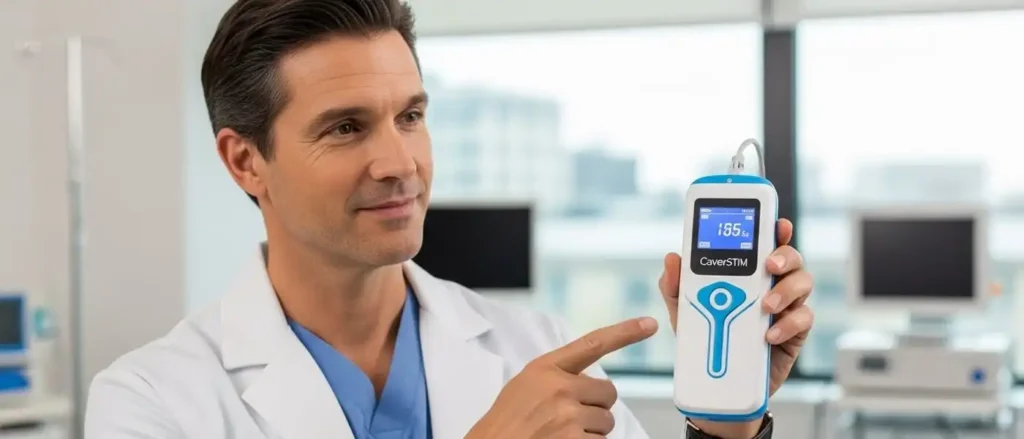
Enter neuromodulation for ED—a game-changing concept that uses electrical stimulation to encourage damaged nerves to heal and restore natural erectile function. The CaverSTIM device is one such innovation currently being studied in clinical trials for men with ED after prostatectomy.
How does penile nerve stimulation work? The device delivers controlled electrical pulses to the penile nerves, either during surgery or in the weeks and months afterward. This stimulation is thought to promote nerve regeneration, maintain oxygenation of erectile tissues, and prevent the fibrosis (scarring) that often occurs when erections are absent for prolonged periods.
Early trial data suggest that men who receive CaverSTIM neuromodulation alongside standard rehabilitation show better erectile function recovery compared with those receiving standard care alone. While results are still preliminary, the potential to restore post-prostate surgery erections naturally—without lifelong implants—is genuinely exciting.
Penile Implants: The Established Surgical Option
When new ED treatments and devices like neuromodulation aren’t available or don’t work, penile implants remain the gold standard surgical solution. These devices come in two main types: inflatable and malleable (semi-rigid) prostheses.
Inflatable implants use a pump placed in the scrotum to fill cylinders implanted in the penis with saline, creating a natural-looking erection. Malleable implants are simpler—bendable rods that allow you to position the penis as needed. Both have high satisfaction rates (often 80–90%) among men and their partners, but they require surgery, healing time, and lifelong device maintenance.
When ED pills fail after prostate surgery, how do penile implants compare with newer neuromodulation devices in terms of results, risks, and recovery? Here’s the breakdown:
Penile Implants:
- Proven track record with decades of data
- High satisfaction and reliable erections on demand
- Requires surgery, anesthesia, and 4–6 weeks recovery
- Risk of infection, mechanical failure, or erosion (rare but serious)
- Permanent decision—once implanted, natural erections are no longer possible
Neuromodulation (e.g., CaverSTIM):
- Non-surgical or minimally invasive approach
- Aims to restore natural erectile function, not replace it
- Still in clinical trials; long-term effectiveness not yet fully proven
- Lower risk profile, but may not work for everyone
- Requires patience—nerve recovery takes months
For men with severe nerve damage, implants offer immediate, reliable results. However, if you’re within the first two years post-surgery and willing to commit to rehabilitation, neuromodulation might help you avoid surgery altogether. Ultimately, the choice depends on your expectations, health status, and comfort with surgical intervention.
💡 Pro Tip: If you’re considering either neuromodulation or an implant after prostatectomy, ask your urologist about your nerve-sparing score, baseline erectile function before surgery, and realistic timelines for recovery.
How to Choose the Right New Treatment
With so many new ED treatments and devices available, how do you decide what’s right for you? Start by understanding your underlying health, current medications, and the severity and duration of your ED. A topical gel might be perfect for mild to moderate ED without nerve damage, while shockwave therapy targets vascular causes specifically.
Key questions to ask your urologist include:
- What is the likely cause of my ED—vascular, neurological, hormonal, or psychological?
- Which treatments have the strongest evidence for my specific situation?
- What are the realistic success rates, not just best-case scenarios?
- What are the risks, side effects, and costs?
- Can I combine therapies, and if so, in what sequence?
Remember, marketing often outpaces science in this field. Therefore, prioritize treatments with published clinical data, FDA clearance, and endorsement from reputable medical organizations like the American Urological Association or the International Society for Sexual Medicine.
Have you felt overwhelmed trying to sort through online claims and advertisements for ED treatments? You’re not alone—that’s why professional guidance is invaluable.
Practical Tips Before Trying Any New ED Device or Therapy
Before you invest time, money, and hope in any new approach, keep these practical tips in mind:
Avoid unregulated devices and supplements. The internet is flooded with gadgets and pills that lack clinical testing or FDA approval. Moreover, some can cause harm. Stick with therapies that have undergone rigorous study and regulatory review.
Combine treatments with lifestyle improvements. No device or gel will overcome the damage from smoking, excessive alcohol, obesity, or uncontrolled diabetes. Therefore, prioritize exercise, quality sleep, stress management, and a heart-healthy diet. These changes amplify the effectiveness of any medical treatment.
Set realistic expectations. Not every treatment works for everyone. Furthermore, restoration of erectile function—especially after surgery or in advanced disease—often takes months of consistent effort. Patience and persistence matter.
Communicate openly with your partner. ED affects relationships, and trying new treatments together fosters intimacy and reduces performance anxiety. Additionally, your partner’s support can make all the difference in staying motivated.
Monitor your cardiovascular health. ED is often an early warning sign of heart disease, diabetes, or metabolic syndrome. Consequently, addressing erections also means addressing your overall health—so don’t skip those cardiology or endocrinology appointments.
🗣️ Pro Tip: Keep a simple log of what you try, when, and what results you notice. This helps your doctor adjust your treatment plan intelligently and identifies patterns you might otherwise miss.
Conclusion
The era of “take a pill and hope for the best” is rapidly giving way to a new landscape of new ED treatments and devices that offer speed, precision, and solutions for even the toughest cases. From over-the-counter topical gels like Eroxon and MED3000 to shockwave therapy for ED, home-use radiofrequency devices, and groundbreaking neuromodulation approaches like the CaverSTIM device, men now have more choices than ever before.
For those recovering from prostate surgery, emerging penile nerve stimulation therapies offer hope for restoring post-prostate surgery erections naturally, while traditional penile implants remain a reliable fallback when other options fail. Meanwhile, ED combination therapy protocols stack multiple interventions to tackle erectile dysfunction from every angle—vascular, hormonal, psychological, and neurological.
Nevertheless, with so many options comes the responsibility to do your homework. Seek professional guidance early, prioritize treatments with solid evidence, and remember that ED can signal broader cardiovascular or metabolic issues that are treatable. The right combination of medical treatment, lifestyle change, and realistic expectations can transform your intimate life and overall health.
What will your next step be? Whether it’s scheduling a consultation, trying a fast-acting gel, or exploring neuromodulation, the most important thing is to take action. You’re not out of options—you’re simply at the beginning of a new chapter.

 By
By

 By
By
 By
By Skapa personligt konto says:
  创建Binance账户 says:
  Binance注册奖金 says:
  "oppna ett binance-konto says:
  binance Register says:
  binance registration says:
  binance anm"alan says:


