


Estimated Reading Time: 11 Minutes
You wake up tired. You drag yourself through the workday. By the time you get home, the idea of intimacy feels like a chore rather than a joy. You look in the mirror and see a belly that wasn’t there five years ago, despite your best efforts at the gym. You ask yourself a nagging question. Is this just what 50 feels like? Or is something else going on?
As a journalist who has covered men’s health for decades, I have seen countless men dismiss brain fog and vanishing libido as standard aging. They assume this decline is inevitable. However, they are often wrong. They are often battling hypogonadism, or low testosterone. Dr. John Ludlow, a leading urologist, emphasizes that low T impacts cognitive function and independence, not just sexual performance. This is a critical distinction.
This guide will help you understand the signs of low testosterone versus normal aging. We will explore why this matters, how to spot the difference, and what you can do about it. We will draw directly from medical experts to give you the clarity you deserve.

Differentiating the two often requires looking for specific markers like the loss of spontaneous erections and sexual desire, rather than just general tiredness or slowing down.
Is It Just “Getting Old” or Is It Low T?
Many men believe that feeling “washed up” is a mandatory part of hitting 40 or 50. This is a dangerous misconception. While testosterone levels do naturally decline with age, clinically low levels are a medical condition. It is not a life sentence.
Dr. Ludlow notes that physicians often dismiss overweight, tired patients by saying, “Well, that’s just a normal part of aging”. This attitude does a disservice to men. The goal of modern medicine is to improve your quality of life, regardless of your birth year.
We know that testosterone levels begin to decrease between age 30 and 404. By the time men reach age 80, at least 50% of them have low testosterone. However, this drop should not be debilitating. When levels fall below a specific threshold, it affects your entire body.
The Biology: What Changes After 40?
To understand the signs of low testosterone versus normal aging, you must understand what is happening under the hood. There are two main types of low testosterone, also known as hypogonadism.
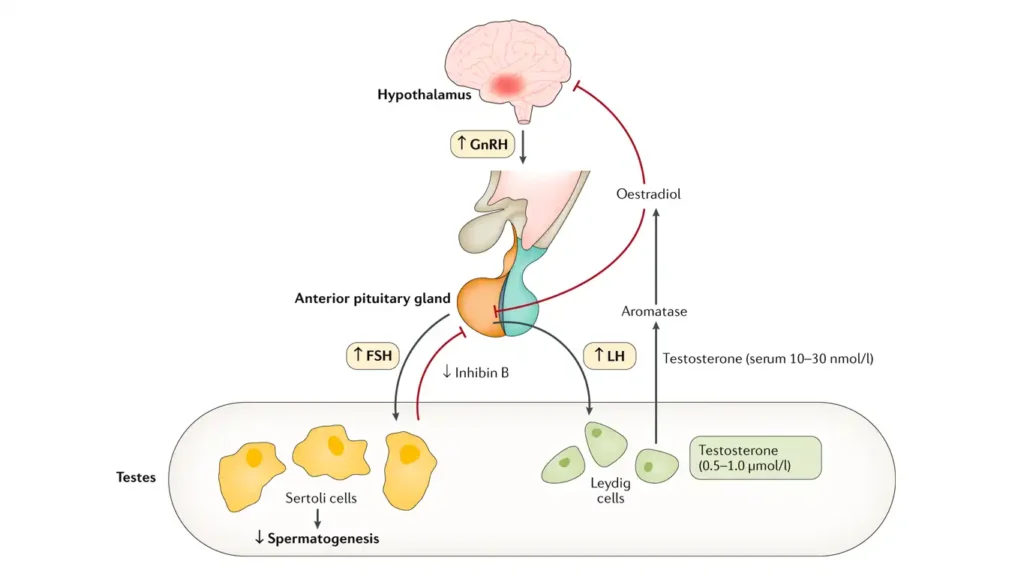
- Primary Hypogonadism: This is due to testicular failure. It can be caused by injuries, history of chemotherapy, or even undiagnosed childhood issues like mumps.
- Secondary Hypogonadism: This originates in the brain. The hypothalamus or pituitary gland fails to send the signal to the testicles to produce testosterone.
Most cases are a combination of both. Why does this matter? Testosterone is an anabolic hormone. Anabolic simply means “building you up.” It strengthens your muscles and bones while improving the quality of your blood. This hormone also affects your mood and brain function.¹³ When you lose it, you are not just losing your sex drive. Instead, you’re losing the biological fuel that keeps your body repairing and building itself.
Identifying the Signs of low testosterone versus normal aging
How can I distinguish if my fatigue and mood changes are due to low testosterone or just natural aging? This is the most common question I hear. The answer lies in specificity. Normal aging might mean you run a slower mile. Low testosterone means you lose the desire to run at all.
Sexual Health Indicators
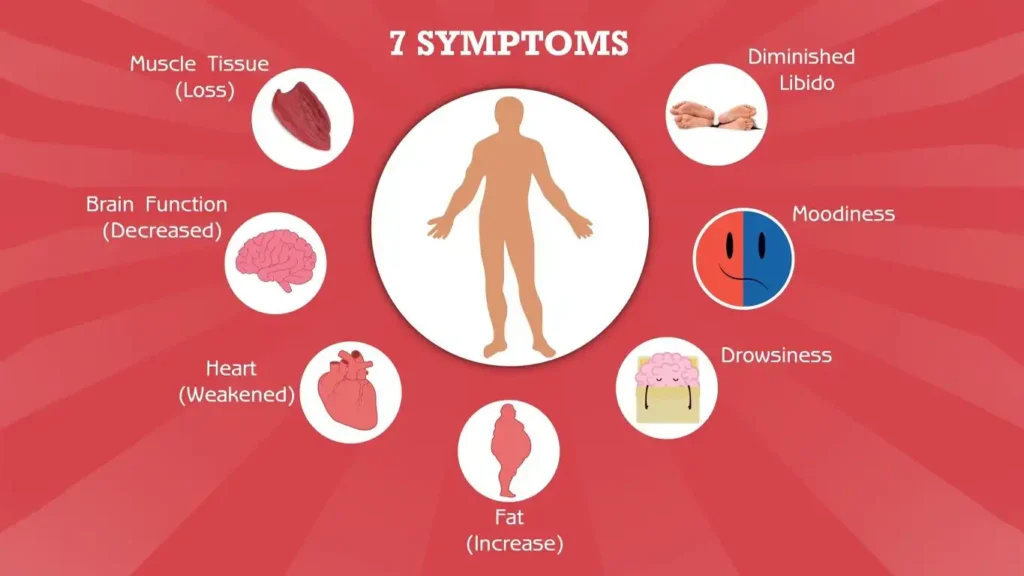
The most direct barometer for your testosterone levels is your libido, or sexual desire. Dr. Ludlow explains that libido parallels testosterone secretion. If you have a strong libido, your overall sense of well-being is usually higher.
In contrast, a complete lack of interest in sex is a major red flag. Furthermore, you must pay attention to spontaneous erections. Do you wake up in the morning with an erection?. This is a key question urologists ask. Testosterone is critical for spontaneous erections, more so than stimulus-induced ones.
Additionally, testosterone affects the quality of the erection itself. It improves blood flow and supports the cavernosal smooth muscle within the penis19. This muscle helps trap blood to maintain firmness. If you have “venous leak”—where blood flows in but leaks right back out—it could be due to low testosterone.
Physical Changes: The Belly Fat Factor
Have you noticed weight gain specifically around your midsection? This is called truncal obesity. Testosterone naturally decreases all types of fat, but it specifically targets visceral fat in the belly.
- Normal Aging: You might gain a few pounds overall or struggle to lose weight as quickly.
- Low T: You develop significant fat deposits around the trunk, even if your arms and legs remain the same.
Simultaneously, you may experience muscle wasting. Testosterone increases lean body mass. Without it, you lose muscle definition and strength, making you feel weaker than you should.
Mental and Cognitive Shifts
We often joke about the “grumpy old man,” but mood changes are serious signs of low testosterone versus normal aging. While depression can be complex, low T often manifests as a loss of vitality or drive.
More importantly, there is a link between low testosterone and cognitive decline. We are seeing an aging population that is physically functional but struggling with the start of Alzheimer’s and dementia. Dr. Ludlow notes that treating low T can show significant benefits in early Alzheimer’s patients. It improves cognition and the ability to function daily. Keeping people independent as they age is a massive benefit of treatment.
💡 Pro Tip: Don’t just track your weight. Track your waist circumference. If your belt size is expanding while your muscle strength is vanishing, request a hormone panel immediately.
The Silent Signs of low testosterone versus normal aging
Some symptoms are invisible until they become a crisis. You might feel “okay,” but your blood work tells a different story. This is where the distinction between aging and a medical condition becomes vital.
Metabolic Syndrome (Syndrome X)
Metabolic syndrome is a cluster of conditions: obesity, high triglycerides, low HDL (good cholesterol), high blood pressure, and low testosterone. It is incredibly common. Unfortunately, men with metabolic syndrome are rarely evaluated for low testosterone, even though almost all of them have it.
Treating low T in these men can help correct these issues. It acts as a preventive measure against further metabolic decline.
The Diabetes Connection
There is a strong link between testosterone and insulin. Men with lower testosterone levels have higher insulin requirements. If you are diabetic, low T makes your disease harder to manage.
Studies suggest that testosterone helps the pancreas produce insulin more effectively. This likely happens via mesenchymal stem cell differentiation—basically, helping your body create the right kind of cells.
Cardiovascular Health
For years, people feared that testosterone therapy hurt the heart. The reality is the opposite. Testosterone is a vasodilator. It opens up blood vessels. This improves blood flow to the heart, brain, liver, and muscles.
There is an inverse correlation between testosterone and cardiovascular risk. This means the lower your testosterone, the higher your risk of heart attack and stroke.
Diagnosing Signs of low testosterone versus normal aging
If you identify with these symptoms, the next step is a blood test. However, timing is everything.
The Morning Rule
You cannot get a testosterone test at 4:00 PM. You must be fasting, and the blood must be drawn first thing in the morning. Testosterone levels fluctuate throughout the day, peaking in the early hours.
The Magic Number
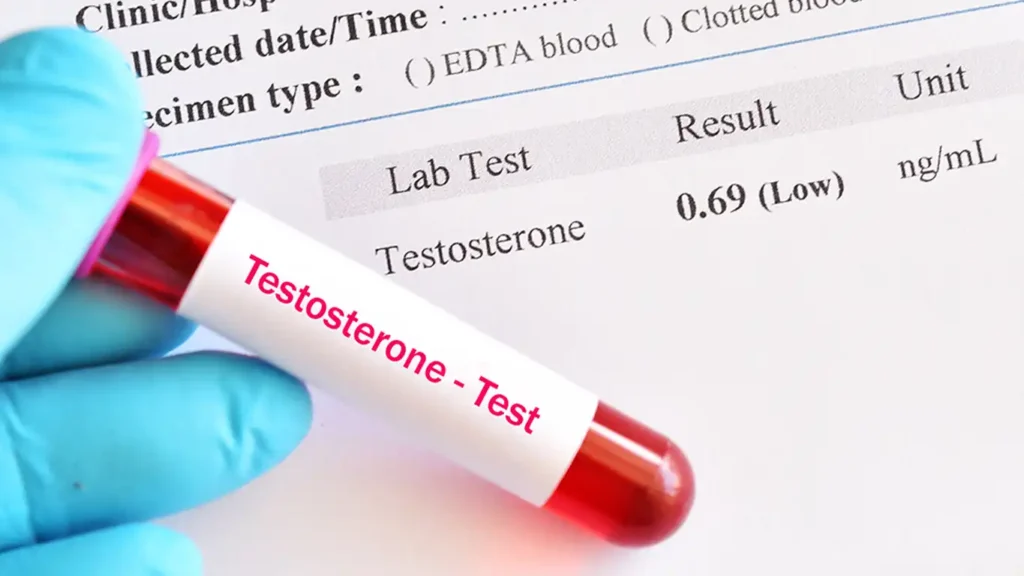
What is a “normal” score? This is controversial. The Endocrine Society guidelines state that a level less than 300 ng/dL is considered low.
Here is the problem. Some lab results will list the “normal” range as 220 to 850. If you score a 230, your doctor might tell you that you are “normal.” Do not accept this. According to the Endocrine Society, anything under 300 is abnormal and deserves treatment.
You also need confirmation. One bad test isn’t enough. You need two consecutive tests under 300. Your doctor should also check Luteinizing Hormone (LH) to see if the problem is in your testicles or your brain.
Managing Symptoms: Treatment Options
Once you confirm the diagnosis, you have several options to restore your levels.
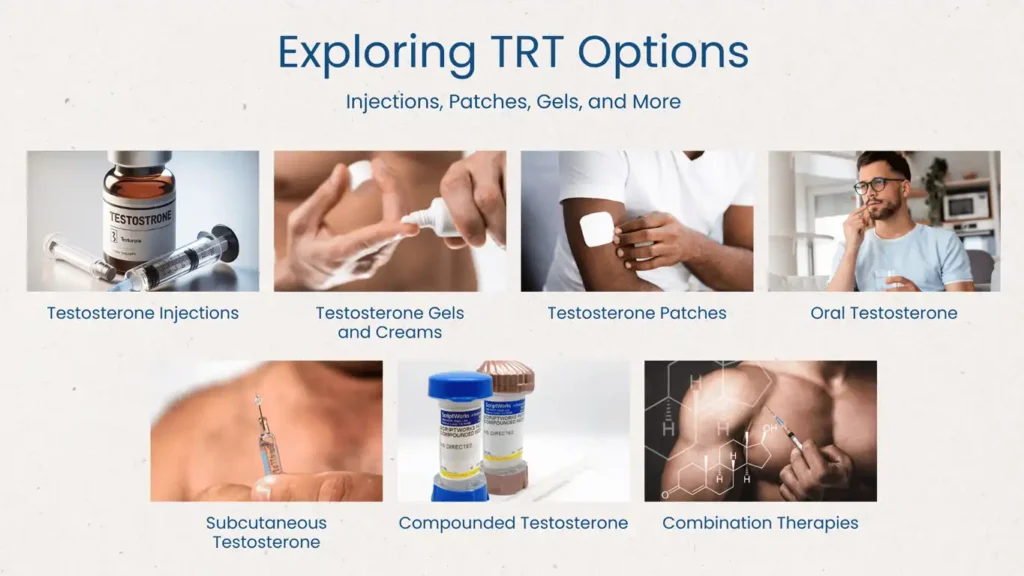
Injections: The Gold Standard
Injectable testosterone is the most common method because it is effective and often covered by insurance.
- Bi-Weekly Injections: Usually Testosterone Cypionate. You get a shot in the muscle every two weeks. The downside? It creates a “roller coaster.” You get a high burst of testosterone, which trickles down. By the end of the two weeks, you might feel low again.
- 10-Week Injection (Aveed): This is a newer form in the U.S. It sits in the muscle and releases slowly over 10 weeks. It provides a much steadier state. Interestingly, some men miss the “burst” of energy they get from the bi-weekly shots.
Topical Gels
Gels like AndroGel are applied to the skin daily. This is the most “physiologic” method because it mimics the body’s natural daily rhythm.
- The Downside: They are expensive, often costing $400 a month out of pocket.
- Transfer Risk: If you put gel on your chest and then hug your wife or child, you can transfer testosterone to them. This can cause adverse effects like hair growth in women.
Pellets (Testopel)
This involves a quick procedure where a doctor makes a tiny incision in the buttock and inserts pellets under the skin. These pellets slowly release testosterone over 6 to 9 months. Most patients love the convenience, though insurance coverage varies.
What to Avoid
Do not take oral testosterone pills. There are no FDA-approved oral preparations in the United States for a reason. They are rapidly metabolized by the liver and carry a high risk of liver cancer. Dr. Ludlow strictly warns against them.
💡 Pro Tip: Avoid “natural boosters” sold at health food stores. They are unregulated and rarely have clinical studies backing their efficacy. Stick to medical treatments prescribed by a urologist.
Busting the Myths: Safety and Side Effects
Fear often stops men from seeking help. Let’s clear up the confusion regarding the signs of low testosterone versus normal aging and safety.
Myth 1: Testosterone Causes Prostate Cancer
This is the biggest myth in men’s health. There is currently no evidence that testosterone replacement therapy initiates prostate cancer. It does not stimulate subclinical cancer to become active.
In fact, Dr. Ludlow treats men who have active prostate cancer with testosterone to improve their quality of life, and their cancer does not progress. The prostate is only stimulated by testosterone up to a certain point (saturation), which usually happens at very low levels67. Adding more testosterone doesn’t “supercharge” the cancer risk.
Myth 2: It Causes “Roid Rage”
We associate steroids with anger. However, cholesterol is a steroid, and eating a burger doesn’t make you rage. Aggression is associated with abuse—levels of 2,000 ng/dL or higher. Therapeutic replacement aims for a level of 400 to 800. At these levels, you should feel better, not angry.
Real Side Effects to Watch
The most significant real risk is “erythrocytosis,” or thick blood. Testosterone increases your red blood cell count, similar to altitude training. If the blood becomes too thick, it increases the risk of stroke. This is why your doctor must monitor your blood counts regularly.
💡 Pro Tip: If you are on TRT, donating blood periodically can help manage red blood cell counts. Ask your doctor if this is right for you.
Lifestyle Factors: Can You Boost T Naturally?
Before jumping to injections, consider your lifestyle. Certain habits can tank your levels.

- Opioid Use: Chronic use of narcotic pain medications signals the brain to stop making testosterone. This is a major, reversible cause of low T.
- Diet: A diet high in processed sugar (like high fructose corn syrup) damages the endocrine system.
- Marijuana (THC): Chronic use can have deleterious effects on testosterone production in some men.
Conclusion: Reclaiming Your Vitality
Recognizing the signs of low testosterone versus normal aging is the first step toward reclaiming your life. You do not have to accept fatigue, brain fog, and sexual dysfunction as the price of getting older.
If you identify with the symptoms in this guide, make an appointment. Ask specifically for a morning “Total Testosterone” test. Remember, this isn’t just about libido. It is about maintaining your independence, your cognitive sharpness, and your metabolic health well into your 70s, 80s, and beyond.
Don’t settle for “normal aging” if it is actually a treatable medical condition. Your health is worth the investigation.

 By
By
 By
By



 By
By


