


Estimated Reading Time: 9 Minutes
We rarely talk about what happens behind closed doors. Whether it is the frustration of mismatched libido, the annoyance of waking up at night to pee, or the silent struggle with painful sex, these issues are often shrouded in embarrassment. But silence doesn’t solve problems; information does.
As a journalist who has covered sexual health for years, I have seen how damaging silence can be. That is why expert voices like Dr. Rena Malik urologist are so vital. In a recent “Ask Me Anything” session, she broke down complex medical topics into accessible, actionable advice. Today, we are diving deep into four major reader-submitted questions that cover the spectrum of intimate health: navigating different sex drives, understanding nocturia, addressing painful intercourse, and even the truth about diet and semen flavor.
If you have ever felt alone in your struggles with intimacy or bladder health, this post is for you.

Navigating Mismatched Libido in Relationships
The first question Dr. Malik addressed is one I hear constantly in my line of work. A listener named Veronica shared a common scenario: her husband wants sex constantly, but she is exhausted from work and kids. She feels guilty, he feels rejected, and their intimacy has plummeted from weekly to monthly.
This dynamic is known as desire discrepancy. It is arguably the most common sexual issue couples face. Mismatched libido isn’t necessarily a sign that a relationship is broken or that love has faded. It simply means two people have different baselines for sexual hunger. But how do we bridge that gap without one person feeling pressured and the other feeling deprived?
The Truth About Mismatched Libido and Spontaneous Desire
To solve this, we first have to unlearn a major myth. Most of us believe that desire should always be “spontaneous.” We think about the movie-style urge where you look across the room, lock eyes, and suddenly nothing else matters. While that happens in the early “honeymoon” phase, it rarely sustains itself in long-term relationships.

Dr. Malik explains that responsive vs spontaneous desire is a critical concept to understand.
- Spontaneous Desire: This is the urge that hits you out of the blue. It is less common in long-term partnerships.
- Responsive Desire: This is desire that builds in response to something. It starts with intimacy, touch, and connection.
For many people, especially women juggling careers and families, the brain needs to transition away from “to-do list mode” before it can enter “sexy mode.” You might not feel horny when you sit down on the couch. However, once you start kissing or cuddling, your body wakes up, and the desire follows.
Have you ever noticed that you didn’t want to go to the gym, but once you started moving, you felt great? Sex can work the exact same way.
💡 Pro Tip: Don’t wait for lightning to strike. If you rely solely on spontaneous urges, you might be waiting a long time. Instead, be open to seeing what happens if you just start physically connecting.
How Scheduling Intimacy Helps Mismatched Libido
This is where the advice gets practical, though some might find it unromantic at first. Dr. Malik suggests we need to start scheduling intimacy.
I know, putting sex on the calendar sounds like a buzzkill. But think about it: we schedule everything else that is important to us, from gym sessions to doctor appointments to dinner with friends. Why do we leave our most important relationship to chance? By scheduling time, you ensure that you aren’t trying to connect when you are dead tired at the end of a long day.
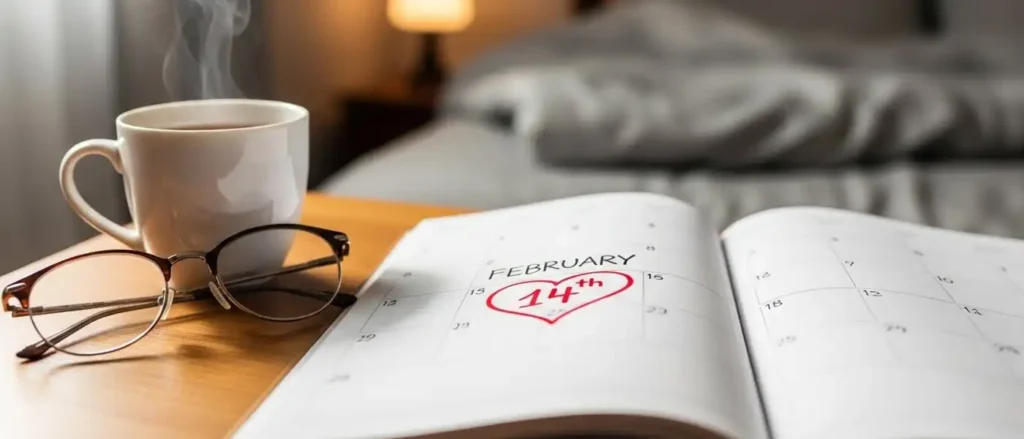
How can scheduling intimacy actually improve a relationship with mismatched libidos? It removes the guessing game. The higher-drive partner feels reassured that intimacy will happen, reducing their anxiety and constant initiation. The lower-drive partner gets mental space to prepare, knowing they won’t be pestered every other night.
When you use this scheduled time, focus on connection rather than just intercourse. Take the pressure off. Use the time to touch, massage, or just talk intimately. Often, when the pressure to perform is removed, responsive desire kicks in naturally.
Why Mismatched Libido Isn’t The Only Bedroom Killer: Nocturia
While mismatched libido is an emotional hurdle, sometimes the barriers to sleep and intimacy are purely physical. Dr. Malik answered a question from a 44-year-old listener who has started waking up every other night to urinate.
This condition is called Nocturia (Waking up to pee). Is it normal in your 40s? Dr. Malik notes that while it is more common in people over 60, it absolutely affects younger adults too.
The Assessment: What Is Waking You Up?
If you are waking up to pee, your body is telling you something. It might be simple, or it might be a sign of Overactive Bladder Symptoms or other underlying issues.
Common causes include:

- Fluid Intake: This seems obvious, but many of us drink water or tea right up until bedtime.
- Overactive Bladder (OAB): This occurs when the bladder muscle squeezes before it is actually full, triggering an urgent need to go.
- Enlarged Prostate (BPH): For men, an enlarged prostate can block urine flow. This is particularly relevant if you have a family history, as it can be a genetic trait.
Solutions for Better Sleep
Before you panic, try some lifestyle changes. Limit your fluids two hours before bed. Also, pay attention to how much you are peeing. If it is a large volume, you are likely just over-hydrated. If it is a small amount but the urge is strong, it could be OAB.
However, do not ignore persistent issues. If you are constantly tired or if nocturia is ruining your sleep hygiene, consult a urologist. They can help rule out incomplete bladder emptying or infections.
📈 Pro Tip: Track your symptoms. Keep a “bladder diary” for three days, noting what you drink, when you pee, and the approximate volume. This data is gold for your doctor.
Addressing Painful Sex Causes and Solutions
Another anonymous listener wrote in with a heartbreaking situation: his wife has stopped having sex because of pain “down there,” despite her family doctor saying everything looks normal.
This is a critical topic. Painful sex causes (clinically known as dyspareunia) are varied, but the pain is always real. When a doctor says “everything looks normal,” they often mean there is no infection or visible mass, but that doesn’t mean the function is correct.
Mismatched Libido and Pain
It is impossible to address mismatched libido if sex hurts for one partner. Pain is a massive libido killer. Who wants to do something that hurts?
Primary Cause 1: Inadequate Lubrication and Arousal
Dr. Malik points out a stark reality: the average woman takes about 20 minutes to become fully aroused. Physiologically, arousal causes the vagina to lengthen and the cervix to move up and out of the way. If penetration happens too soon, it can be physically painful.
Sexual health advice often skips this, but lubrication is non-negotiable. Whether it is hormonal changes or just rushing, dryness causes friction. Using high-quality lubricants (water-based or silicone-based) can change everything.
Primary Cause 2: Pelvic Floor Dysfunction
Stress doesn’t just give you a stiff neck; it can give you a stiff pelvis. Pelvic Floor Dysfunction often manifests as “high tone” muscles. Just like TMJ in the jaw, these muscles can clench involuntarily, making penetration painful or impossible.
The solution here isn’t more wine or relaxing music; it is often Pelvic Floor Physical Therapy. A specialist can teach you how to relax these muscles.
Primary Cause 3: Menopause & Hormonal Changes
For older women, the drop in estrogen can thin vaginal tissues, a condition often called atrophy. This makes the tissue fragile. Vaginal Estrogen Safety is well-established; local estrogen creams are safe for most women and can restore elasticity and comfort.
🗣️ Pro Tip: Lube is not just for “fixing” a problem; it is for enhancing pleasure. Don’t view it as a medical necessity, but as a fun addition to your bedroom toolkit.
The Science of Semen Taste and Diet
Finally, let’s switch gears to a lighter, yet frequently asked question. Does eating pineapple really make semen taste better?

Dr. Malik dives into the biology here. Semen is naturally alkaline. This is a biological necessity because the vagina is acidic. The alkalinity of semen protects the sperm so they can survive the journey to the egg. That alkalinity is what gives semen its naturally bitter taste.
The “Pineapple Theory”
So, does the Alkaline Diet and Semen flavor connection hold up? Partially. Acidic fruits like pineapple can help neutralize that high alkalinity slightly. This might reduce the bitterness, but Dr. Malik warns that it won’t turn semen into “candy.”
Lifestyle Factors That Matter
If you are worried about Semen Taste, look at what you are subtracting, not just what you are adding.
- Negatives: Smoking, heavy alcohol consumption, excessive caffeine, and red meat are known to increase bitterness.
- Positives: The single best thing you can do is stay hydrated. Water dilutes the fluids and improves overall bodily function.
Ultimately, a clean, balanced diet is your best bet for better flavor. But remember, slight bitterness is just biology doing its job.
Conclusion: Bridging the Gap in Mismatched Libido
Whether we are talking about mismatched libido, bladder leaks, or the mechanics of pleasure, the theme is the same: your body is complex, but it is not broken.

Issues like painful sex or nocturia are quality-of-life issues. You do not have to “just live with it.” There are solutions, from responsive desire solutions to pelvic floor therapy.
If you are the partner with the higher drive, or the one suffering from pain, communication is your first medicine. Don’t let silence widen the gap between you. Speak up, schedule time for connection, and don’t be afraid to see a specialist like a urologist or therapist.
Prioritize your intimate health. It is not just about sex; it is about connection, vitality, and feeling at home in your own body.
Would you like to subscribe to learn more? Check out Dr. Rena Malik’s channel for deep dives into these topics.

 By
By
 By
By

 By
By gate io anm"alan says:
  gratis gate io-konto says:
  binance konto skapande says:
  注册以获取100 USDT says:
  Реферальный код binance says:
  binance register says:
  b^onus de inscric~ao na binance says:
  binance create account says:
  binance Registrera says:
  免费Binance账户 says:
  Створити особистий акаунт says:
  免费Binance账户 says:

 By
By


