


Picture this: You’re lying awake at 3 AM, fan blasting, wondering if tonight’s hot flash will be your last. You’ve been riding this hormonal rollercoaster for years, and you’re desperately seeking an exit sign. When does this wild ride finally end? What signals the end of menopause, and how will you know you’ve crossed that invisible finish line?
If you’re asking these questions, you’re not alone. As a women’s health specialist who’s guided thousands of women through this transition, I understand the confusion and frustration you’re experiencing. Menopause isn’t just a moment—it’s a journey with distinct phases, and knowing where you are on that path can transform your anxiety into confidence.

In this comprehensive guide, I’ll walk you through the five key signals that menopause is ending, explain what life looks like on the other side, and share the bonus sign most women completely overlook. By the end, you’ll have a clear roadmap for this transition and the practical tools to thrive in your postmenopausal years.
Let me be clear from the start: understanding what signals the end of menopause empowers you to take control of your health journey rather than feeling like your body is working against you.
Understanding the Three Distinct Phases of Menopause
Before we identify the signals that menopause is ending, you need to understand the three phases of this transition. Many women confuse these stages, which creates unnecessary stress and unrealistic expectations.
Perimenopause: The Transition Phase
Perimenopause is the turbulent beginning of your menopause journey. This phase typically lasts 4 to 10 years, though some women experience it for longer or shorter periods. During perimenopause, your ovaries gradually produce less estrogen, triggering a cascade of changes throughout your body.
What does perimenopause feel like? Your periods become unpredictable—sometimes arriving twice in one month, sometimes skipping months entirely. Hot flashes make their unwelcome debut, often striking at the most inconvenient moments. You might experience mood swings that leave you snapping at loved ones, then feeling guilty minutes later.
Sleep becomes elusive. You wake up at 2 AM to use the bathroom, then lie staring at the ceiling, unable to drift back to sleep. Brain fog creeps in—you walk into a room and forget why you’re there, or you struggle to recall a word that’s right on the tip of your tongue.
For some women, perimenopause arrives subtly, like a gentle tide. For others, it feels like their body has gone haywire. Neither experience is wrong—both are completely normal manifestations of the perimenopause vs menopause journey.
Pro Tip: 📝 Start tracking your periods and symptoms now. This information will help you and your healthcare provider identify patterns and determine where you are in your transition.
Menopause: The Clinical Marker
Here’s where confusion often happens. Menopause isn’t the day your period ends or when your symptoms start. Clinically, menopause is confirmed when you’ve gone 12 consecutive months without a menstrual period. That’s it—one specific point in time, not an extended phase.
This 12-month milestone is crucial to understand. If you go nine months without a period and then spot on month ten, the clock resets. You must complete a full year of no bleeding to officially reach menopause. This can be frustrating, but it’s your body’s way of signaling that your reproductive years are officially behind you.
Why does this marker matter? Because it’s the clearest signal that you’re transitioning from the chaotic perimenopause phase into the more stable postmenopausal phase.
Postmenopause: Your New Normal
Postmenopause begins after you’ve completed those 12 straight months without a period. In this phase, your hormone levels remain consistently low—no more wild fluctuations. Your menstrual cycles are gone permanently, and your body adjusts to this new baseline.
However, here’s the reality check many women need: reaching postmenopause doesn’t mean all your symptoms magically disappear. Some women continue experiencing hot flashes, vaginal dryness, breast tenderness, or energy changes. This doesn’t mean something is wrong—it simply reflects your body’s unique hormonal profile.
The postmenopausal symptoms you experience will vary dramatically from your sister, your friends, or your mother. Your genetics, lifestyle, and overall health all influence how your body navigates these stages.
The Five Key Signals That Menopause Is Ending
Now let’s dive into the specific menopause ending signs that confirm you’re transitioning into postmenopause. These signals help you understand where you are on your journey and what to expect next.
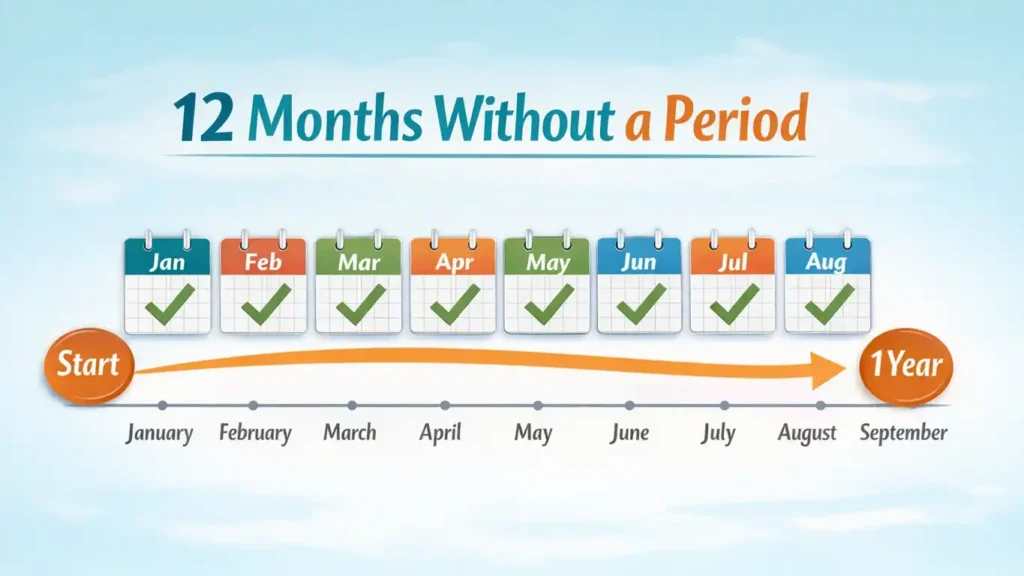
Signal One: Twelve Consecutive Months Without a Period
This is the gold standard—the definitive menopause completion marker that healthcare providers use worldwide. Once you’ve achieved 12 months without period bleeding, you’ve officially crossed the menopause threshold.
But here’s the critical warning: any spotting or bleeding after that 12-month mark requires immediate medical evaluation. Don’t dismiss it as a “false period” or assume you’re still in perimenopause.
Postmenopausal bleeding can indicate several conditions that need attention:
- Polyps: These growths can develop on the cervix or inside the uterus
- Endometrial changes: The uterine lining may undergo abnormal changes
- Precancerous or cancerous cells: While often not serious, some cases require intervention
Never ignore bleeding once you’ve reached the 12-month milestone. Your health is too important to take chances. Schedule an appointment with your healthcare provider immediately if you notice any spotting or bleeding.
Signal Two: Changes in Hot Flashes and Night Sweats
Hot flashes typically peak during the menopause phase, then gradually decline in intensity and frequency as you move into postmenopause. Research shows that hot flashes after menopause can persist for 7 to 10 years on average, but the key difference is their intensity.
How do you know your hot flashes are signaling the end of menopause? Watch for these changes:
- Episodes become less frequent
- The intensity decreases—they’re more manageable than before
- Night sweats diminish or disappear entirely
- You can tolerate episodes without disrupting your entire day
This gradual reduction reflects hormone stabilization after menopause. Your estrogen and progesterone are no longer dipping and rising unpredictably—they’ve settled into their new, consistently low baseline.
However, remember that some women continue experiencing hot flashes in their postmenopausal years. If this happens to you, it doesn’t mean something is wrong. Your body is simply unique, and effective treatments are available to help manage persistent symptoms.
Pro Tip: 🌡️ Keep a hot flash diary noting triggers like spicy foods, alcohol, or stress. Identifying patterns helps you avoid triggers and manage symptoms more effectively.
Signal Three: Hormonal Stabilization
During perimenopause, your hormones behave like a roller coaster—estrogen and progesterone fluctuate wildly, leaving you feeling fine one moment and completely off-balance the next. This unpredictability affects everything from your mood to your energy levels.
When you enter postmenopause, something remarkable happens: your hormone levels after menopause settle into a new, stable baseline. While these levels remain low, the consistency provides relief from the emotional and physical turbulence you’ve been experiencing.
What does hormonal stabilization feel like?
- Less emotional volatility at work and home
- Reduced unpredictability in how you feel day-to-day
- Fewer sudden mood swings that leave you biting at coworkers or family members
- A sense that you finally know what to expect from your body
Many women tell me, “At least now I know what to expect. I’m not constantly wondering when the next wave will hit.” This predictability, even at lower hormone levels, represents significant progress in your menopause transition phases.
Signal Four: Physical Changes
Your body provides visible and tangible clues when you’ve transitioned to postmenopause. These physical changes reflect the final stage of menopause and your body’s adaptation to permanently lower estrogen levels.
Vaginal Tissue Changes
Vaginal dryness postmenopause becomes more pronounced as your vaginal tissue becomes thinner and more delicate. Women who come for Pap smears often notice this change immediately—what was once a quick, mildly uncomfortable procedure can become genuinely painful.
As a healthcare provider, I take extra care with postmenopausal women during examinations. I use more gel, position them differently, and move extremely gently because that tissue is so fragile. Even a slight slip can cause bleeding and discomfort.
This thinning also affects sexual intercourse, causing discomfort or pain. The good news? Water-based lubricants and vaginal moisturizers provide excellent relief. Avoid oil-based products, as they increase infection risk and can cause irritation.
Hair Changes
Many women develop female pattern baldness or notice their hair thinning significantly. Your hairline may recede, or you might see increased hair loss overall. Interestingly, stress plays a major role here—many women report hair loss during stressful periods, with regrowth occurring during rest and recovery.
Skin Changes
Shifts in skin elasticity become noticeable around your eyes and mouth. Wrinkles appear or deepen, reflecting decreased collagen production. These changes vary in intensity—some women see subtle signs, while others experience more pronounced aging.
Weight Distribution Changes
That flat tummy you once had? It’s likely disappeared, replaced by abdominal weight gain. This isn’t just about calories—decreased estrogen and progesterone cause your body to store more fat around your midsection. What was once a curvaceous figure may now feature a prominent belly.
This weight shift isn’t purely cosmetic. Abdominal fat is linked to higher risks of heart disease and diabetes, making weight management crucial for your long-term health.
Bone Density Decline
Perhaps the most serious physical change is accelerated bone loss. After menopause ends, women can lose up to 20% of their bone density in the first 5 to 7 years. This dramatically increases your risk of osteoporosis and fractures.
This is why bone health after menopause must become a top priority. Weight-bearing exercises, calcium, and vitamin D aren’t optional—they’re essential protective measures.
Signal Five: Emotional and Cognitive Shifts
During perimenopause, mood swings and brain fog can feel absolutely overwhelming. You know the brain fog I’m talking about—walking into a room and forgetting why you’re there, or starting a task and losing track of what you were doing mid-action.
As your hormones stabilize in postmenopause, many women find these cognitive issues begin to ease. Your emotions become steadier, anxiety decreases, and irritability diminishes. The turbulence of those hormonal swings finally calms down.
However, some cognitive issues like forgetfulness may linger for certain women. This is normal and doesn’t necessarily indicate a serious problem. The key difference is that the intensity and unpredictability have decreased significantly.
When does menopause end from an emotional perspective? When you notice you’re no longer on that wild emotional roller coaster, even if you still have occasional ups and downs.
Life After Menopause: What to Expect and How to Thrive
Understanding the signals is just the beginning. Now let’s explore what life after menopause actually looks like and how you can protect your health and vitality in this new phase.
Bone Health: Protecting Your Skeletal System
Estrogen helps protect your bones, so when levels drop permanently, bone loss accelerates rapidly. The statistics are sobering: women can lose up to 20% of their bone density in the first 5 to 7 years after menopause.

How do you protect yourself? Focus on these essential interventions:
Strength Training and Weight-Bearing Exercises: Your bones respond to stress by becoming stronger. Walking, using light weights, or even gardening for 10 to 15 minutes daily creates the mechanical stress your bones need to maintain density.
I discovered gardening during COVID when tomato prices skyrocketed to $30 or $40 per pound. What started as frustration with grocery costs became a passion—and an excellent bone-building activity. Weeding, digging, and planting provide a genuine workout that strengthens your skeletal system.
Adequate Calcium Intake: Most postmenopausal women need 1,200 mg of calcium daily from food and supplements combined.
Vitamin D Supplementation: Vitamin D helps your body absorb calcium. Without sufficient vitamin D, all that calcium you’re consuming won’t effectively strengthen your bones.
Simple habits make a massive difference. Daily walks, light weights at home, and ensuring proper nutrition can dramatically reduce your osteoporosis risk.
Heart Health: Your Number One Priority
Here’s the fact that should grab your attention: heart disease is the number one cause of death in postmenopausal women. Let me repeat that—the NUMBER ONE cause of death.

We used to think of heart attacks and heart disease as “a man’s problem.” That’s dangerously wrong. In the postmenopausal phase, heart health postmenopause becomes our primary concern.
Why does your risk increase so dramatically? Estrogen provided a protective effect on your cholesterol levels and blood pressure. When estrogen disappears, cholesterol can rise, blood pressure can increase, and your cardiovascular system becomes more vulnerable.
What can you do to protect your heart?
Regular Medical Checkups: Don’t skip your annual physical. Blood pressure monitoring, cholesterol screening, and cardiac assessments are crucial.
Whole Food Nutrition: Focus on vegetables, fruits, whole grains, and lean proteins. Cut down dramatically on processed sugars—those cakes, biscuits, cookies, juices, and soft drinks must go.
Stay Physically Active: Exercise strengthens your heart, improves circulation, and helps manage weight—all critical factors for cardiovascular health.
Manage Stress: Stress wreaks havoc on your entire system. When you’re stressed, you don’t sleep well. Poor sleep triggers a cascade of negative health effects, including elevated blood pressure and increased inflammation.
I’ve found deep breathing programs online extremely helpful for stress management. Even 5 to 10 minutes of focused breathing can lower your stress response significantly.
Even small changes—adding more fiber to your meals, taking daily walks, practicing stress reduction—make a substantial difference in your heart health postmenopause.
Pro Tip: 💓 Schedule your annual checkups now for the next three years. Making these appointments in advance ensures you won’t skip them when life gets busy.
Sexual Health: Intimacy After Menopause
Many women assume that sexual desire naturally declines after menopause. However, the reality is far more nuanced. Some women experience decreased libido, while others tell me they become more interested in sex once the “trauma” of perimenopause passes.
The challenge isn’t desire—it’s comfort. Vaginal dryness and thinning tissue can make intercourse painful, creating a barrier to intimacy even when desire is present.
Fortunately, effective solutions exist:
Over-the-Counter Lubricants: Water-based lubricants provide immediate relief during intercourse. Avoid oil-based products, which can cause infections or irritation.
Vaginal Moisturizers: These products, used regularly, help maintain vaginal moisture over time, not just during sex.
Prescription Estrogen Therapy: Your gynecologist can prescribe localized estrogen treatments that restore comfort and function without the risks associated with systemic hormone therapy.
The key message: don’t suffer in silence. Modern medicine offers real, effective options that can restore comfort and intimacy.
Also, remember to include your partner in this journey. If you’re in a relationship, your partner needs to understand what you’re experiencing. Don’t shut them out. Explain the physical changes, your challenges, and your needs. A loving, kind partner will surprise you with the support they provide when you let them in.
Weight and Metabolism Management
Weight shifting around your midsection is one of the most frustrating aspects of postmenopause. That once-flat stomach now features a belly you don’t recognize. This isn’t just a cosmetic issue—abdominal weight is linked to higher risks of heart disease and diabetes.
Why is losing weight harder now? Your metabolism has decreased significantly. Before menopause, estrogen and progesterone supported a higher metabolic rate. Now, without that hormonal support, your body burns fewer calories at rest.
The good news: even modest lifestyle adjustments make a real difference.
Focus on:
- Healthy, balanced eating with mindful portion control
- Strength training to build metabolism-boosting muscle mass
- Reducing carbohydrates and increasing protein and fiber
- Regular exercise—consistency matters more than intensity
- Thinking carefully about everything you put in your mouth
What effect will this food have on my body? Is it helping or hurting my health goals? These questions must become automatic.
I won’t sugarcoat it: weight management requires more effort than before. You must be more intentional and responsible with your eating and lifestyle choices. But the payoff—maintaining a healthy weight, protecting your heart, and feeling energetic—is absolutely worth the effort.
Emotional Well-Being and Mental Health
Some women describe postmenopause as “a new lease on life.” With the unpredictability of cycles behind them, they feel freer, calmer, and more focused. This is also when many women pursue passions they set aside during their busy child-rearing and career-building years.
What have you always wanted to do? Travel to a destination you’ve dreamed about? Go back to school? Open a business? Train for a new career? Take up painting, writing, or music?
This is your time. But that freedom only becomes possible when you’re managing your health through smart lifestyle choices and proactive medical care.
Supporting your mental health requires:
Strong Social Connections: Don’t isolate yourself at home. Get out, join groups, maintain friendships. Human connection is essential for mental well-being.
Activities You Love: Pursue hobbies that bring you joy. Hiking, dancing, book clubs, volunteer work—whatever fills your cup.
Professional Support When Needed: If you’re struggling emotionally, counseling isn’t a sign of weakness. It’s as important as caring for your physical health.
The Bonus Sign Most Women Overlook: Sleep Pattern Improvements
Here’s the signal that flies under the radar: improved sleep quality after menopause.
During the menopause duration, fluctuating hormones disrupt sleep constantly. Night sweats jolt you awake. Restlessness keeps you tossing and turning. You wake up exhausted, facing another day without adequate rest.
Once your body stabilizes in postmenopause, something wonderful happens for many women: sleep improves. You fall asleep more easily, stay asleep longer, and experience better quality rest. Even when you wake to use the bathroom, you can drift back to sleep instead of staring at the ceiling for hours.
Why does this matter so much? Better sleep creates a positive cascade:
- More energy throughout your day
- Reduced cortisol (the stress hormone)
- Improved mental health
- Sharper focus and less brain fog
- Better mood—you’re less irritable and antsy
Improved sleep quality is a powerful indicator that you’ve successfully transitioned past menopause into the postmenopausal phase, even though it’s not as obvious as other physical signs.
Practical Management: Supplements and Lifestyle Strategies
Let me share the specific supplements and lifestyle modifications that help women thrive during and after the menopause transition.
Supplement Recommendations
Magnesium Glycinate: Take this 1 to 2 hours before bedtime. It helps with muscle cramping, heart palpitations, and sleep quality. Over time, consistent use can also lower blood pressure and improve blood vessel flexibility. This is my personal go-to supplement.

Vitamin D3 + K2 Combination: These work synergistically for bone and heart health. Take them at nighttime for optimal absorption.
Omega-3 Fatty Acids: These support hormonal balance and reduce inflammation throughout your body.
Ashwagandha: This adaptogenic herb can help with stress and hormonal balance, but it requires consistent use to be effective.
Evening Primrose Oil: This works wonderfully for some women but not others. Be aware it can cause breakthrough bleeding in certain cases.
The most critical advice about supplements: consistency is key. Don’t start and stop supplements every few weeks. Give them time to build up in your system—we’re talking months, not days. Track what works for your individual body, and stick with your regimen.
Dietary Modifications
Your nutrition directly impacts your menopause experience and postmenopausal health. Focus on these changes:
- Reduce processed sugar significantly (eliminate cakes, biscuits, cookies, juice, and soft drinks)
- Replace artificial sugars with natural fruit
- Increase fiber intake dramatically
- Add more vegetables and fruits to every meal
- Reduce salt intake to protect heart health
- Increase water consumption—this is your foundation
Mindful eating matters now more than ever. Think about every food choice and ask yourself: Is this helping or hurting my body?
Exercise and Physical Activity
Weight-bearing exercises are crucial for maintaining bone density and muscle mass. This doesn’t require a gym membership or expensive equipment. Simple activities count:
- Daily walking (aim for 30 minutes)
- Gardening
- Light weights at home
- Bodyweight exercises like squats and lunges
Consistency trumps intensity. A daily 20-minute walk beats a single intense weekly workout. Adjust intensity based on your individual health conditions, but make movement a non-negotiable part of your routine.
Medical Communication
Always inform your healthcare provider about any supplements and lifestyle changes you’re making. This is especially crucial if you take prescription medications, as some supplements can interact with drugs.
Watch for potential interactions and maintain regular checkups. Your healthcare team isn’t your enemy—they’re your partners in navigating this transition successfully.
Special Circumstances: Surgical Menopause
If you’ve had a hysterectomy, your experience differs from natural menopause. Understanding these differences helps you manage your unique situation.
Total Hysterectomy (Uterus and Ovaries Removed): You’ll experience immediate menopause. Without ovaries producing hormones, your body enters menopause abruptly rather than gradually. This can trigger more severe, sudden symptoms.
Partial Hysterectomy (Uterus Removed, Ovaries Remain): You’ll go through natural menopause gradually, but without menstrual bleeding. You’ll still experience hormonal fluctuations and eventually reach menopause naturally.
Surgical menopause often requires more aggressive symptom management. Hormonal therapy may not be an option for some women, particularly those who had hysterectomies due to endometrial cancer. Work closely with your healthcare provider to develop an appropriate management plan for your specific situation.
Quick Recap: Essential Takeaways
Let’s summarize what signals the end of menopause and what you need to know:
Three Phases:
- Perimenopause (transition phase, typically 4-10 years)
- Menopause (12 consecutive months without a period)
- Postmenopause (life after the transition)
Five Key Signals Menopause Is Ending:
- 12 straight months without periods
- Hot flashes decreasing in intensity
- Stable hormonal levels
- Physical changes (bone density, skin, hair, weight distribution)
- Emotional steadiness and reduced brain fog
Focus Areas for Postmenopausal Health:
- Bone health (strength training, calcium, vitamin D)
- Heart health (your top priority—it’s the #1 cause of death)
- Sexual well-being (don’t suffer in silence)
- Weight management (requires more effort but absolutely possible)
- Emotional vitality (pursue passions, maintain connections)
Bonus Sign: Improved sleep quality is a powerful but often overlooked indicator of successful transition.

Embracing Your New Chapter with Confidence
Menopause doesn’t signal the end of vitality, energy, or joy. Rather, it is simply the start of a new chapter—one that can be filled with strength, freedom, and fulfillment when you approach it with awareness and proactive care.
Above all, remember that this is a normal life transition, not a medical condition requiring a cure. After all, every woman who reaches this age will go through it. Therefore, far from being broken or failing, you’re just experiencing a biological process that has existed throughout human history.
However, the major difference today is that you now have information, tools, and support that previous generations never accessed. For instance, you understand what signals the end of menopause, what to expect in postmenopause, and how to protect your health moving forward.
Consequently, please don’t suffer in silence. Instead, seek support and information. Additionally, share your experiences with other women navigating this journey. Most importantly, take control of your health by making informed decisions about supplements, lifestyle, nutrition, and medical care.
Ultimately, your postmenopausal years can truly be vibrant, healthy, and deeply satisfying. Surprisingly, many women share with me that this stage often becomes one of their favorite chapters in life. First, they experience a liberating sense of freedom after years of child-rearing responsibilities. Then, they notice a growing confidence in themselves and their choices. Finally, and perhaps best of all, they gain the time and energy to chase dreams they’ve postponed for decades.
So, what will you do with your newfound freedom and clarity? The choice is yours, and the possibilities are endless.

 By
By
 By
By


 By
By


