


Estimated Reading Time: 11 minutes
The New Frontier of Digital Intimacy
What if I told you the future of love might not involve another human being at all?
It sounds like science fiction. Yet, while society still views sex technology as something fringe or even taboo, it’s quietly becoming mainstream. Moreover, the numbers don’t lie. Millions of people worldwide are forming emotional bonds with AI companions, purchasing hyper-realistic sex dolls, and even marrying virtual partners through digital intimacy platforms. Consequently, we’re witnessing a seismic shift in how humans experience connection. Digital intimacy, the practice of forming emotional and physical bonds through technology rather than face-to-face interaction, is reshaping modern relationships in ways we’re only beginning to understand.
Enter Dr. Ken Hanson, a sociologist who has spent years studying the sociology of sexuality without judgment or stigma. Instead of dismissing doll owners and chatbot users as outliers, he asks a more important question: What void are these technologies filling? Furthermore, his groundbreaking research reveals something surprising. These aren’t just expensive toys for lonely men. Rather, they represent a fundamental transformation in how we define companionship, alleviate loneliness, and handle the complexities of human connection in an increasingly isolated world.
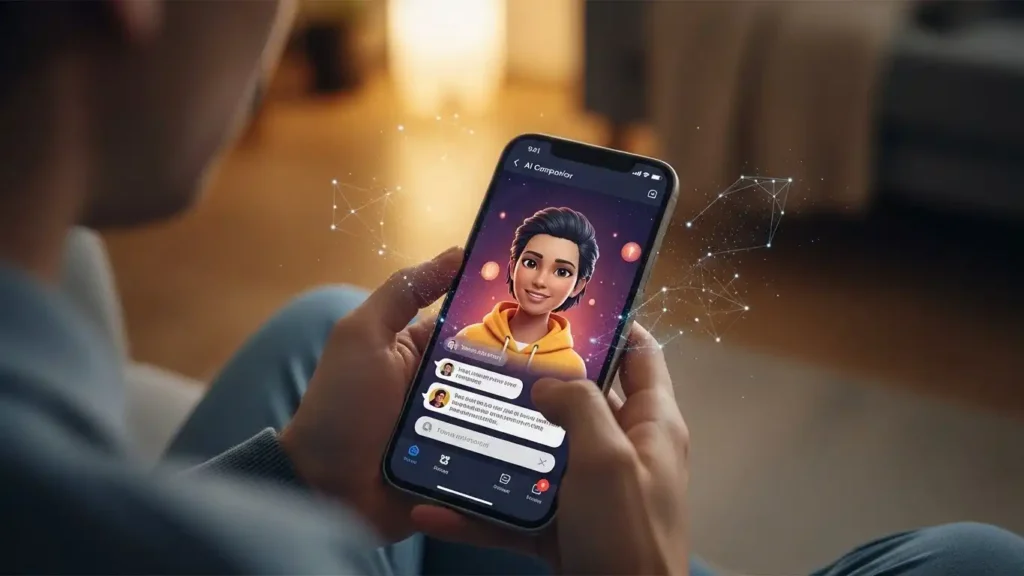
This is about digital intimacy in its rawest form. It’s about people seeking comfort, control, and acceptance in a world that often feels too harsh. Additionally, it’s about technology stepping into spaces that human relationships have abandoned or made too difficult to navigate. However, it also raises uncomfortable questions. Are we building tools to help us connect better, or are we constructing comfortable cages that keep us from each other?
💡 Pro Tip: If you’re exploring AI companions for mental health support, set clear boundaries from the start. Decide how much time and emotional energy you’ll invest before the attachment forms, not after.
Demystifying Digital Intimacy Tech: Dolls, Robots, and AI
Let’s break down what we’re actually talking about. Nevertheless, not all sex technology is created equal. In fact, there’s a clear hierarchy based on cost, complexity, and accessibility within the digital intimacy landscape.

Sex Dolls sit at the premium end. These high-end silicone or TPE (thermoplastic elastomer) figures can cost anywhere from $2,000 to $10,000 or more. They’re static but physically realistic, with articulated joints and customizable features. Think of them as the luxury sports cars of this world. Therefore, ownership requires significant financial commitment. The sex doll industry has grown substantially over the past decade.
Sex Robots represent the next evolutionary step. These incorporate animatronics like blinking eyes, facial movements, and responsive touch sensors. Additionally, they feature basic AI integration that allows for simple conversations. However, they’re even more expensive, often exceeding $15,000. Consequently, they remain relatively rare in the digital intimacy market.
AI Companions are the game-changer. Apps like Replica, Kindroid, and Character.AI offer purely digital but emotionally responsive virtual partners. They’re accessible to anyone with a smartphone. Moreover, they’re growing explosively. While sex dolls require warehouse storage and discretion, AI companions live in your pocket. Thus, the barrier to entry has effectively disappeared, making digital intimacy available to millions.
This creates what I call the “Uncanny Valley” of cost. Financial barriers separate doll owners (typically older, wealthier, more committed users) from chatbot users (younger, more casual experimenters). Nevertheless, both groups are seeking similar outcomes through digital intimacy: connection without rejection, intimacy without vulnerability, and companionship without complexity.
📈 Pro Tip: If you’re researching this field professionally or personally, understand that user motivations vary dramatically across platforms. Sex dolls attract long-term commitment seekers, while AI companions often serve as transitional tools or supplements to existing relationships.
Shattering Stereotypes: Who Really Uses Digital Intimacy Technology?
Let’s address the elephant in the room. When most people imagine someone buying a sex doll or creating an AI girlfriend, they picture the stereotypical “incel” (involuntary celibate). Young, angry, socially inept virgins who hate women. Right?

Wrong.
Dr. Hanson’s research systematically debunks this myth. Instead, the real demographic looks completely different. First, consider the “Silver Splitters.” Data shows that a significant portion of users are middle-aged men, typically 40 and older. Furthermore, many are divorced, widowed, or simply exhausted by traditional dating after decades of long-term relationships. They’re not inexperienced; they’re experienced and done. Studies on male loneliness confirm this male loneliness epidemic is driving many toward alternative solutions.
Then there’s the married user. Surprisingly, a notable percentage of doll owners are in committed relationships. They’re using these tools to navigate mismatched libidos, explore fantasies without infidelity, or provide an outlet that takes pressure off their partners. In other words, they’re problem-solving within their relationships rather than abandoning them. Relationship counseling research suggests that addressing sexual incompatibility is crucial for relationship health.
The “Widower Effect” represents another substantial group. These are men who’ve lost spouses and aren’t interested in the emotional labor of starting over. Consequently, a doll or AI companion offers comfort without the complexity of new human relationships. It’s not about avoiding women; it’s about avoiding the pain of replacement.
Does this challenge your assumptions? It should. The reality is far more nuanced than the stereotype suggests. Additionally, as virtual partners become more sophisticated, we’re seeing younger users (Gen Z and Millennials) turn to AI companions not as replacements but as supplements to their social lives, particularly amid the male loneliness epidemic that’s quietly gripping Western societies.
The Psychology Behind Digital Intimacy and Artificial Bonds
Here’s where things get fascinating. Users don’t just interact with these technologies; they personify them. Doll owners create elaborate backstories, assign personalities, and even establish social media accounts for their synthetic partners. Therefore, it becomes clear this isn’t primarily about physical gratification. It’s about companionship through digital intimacy.
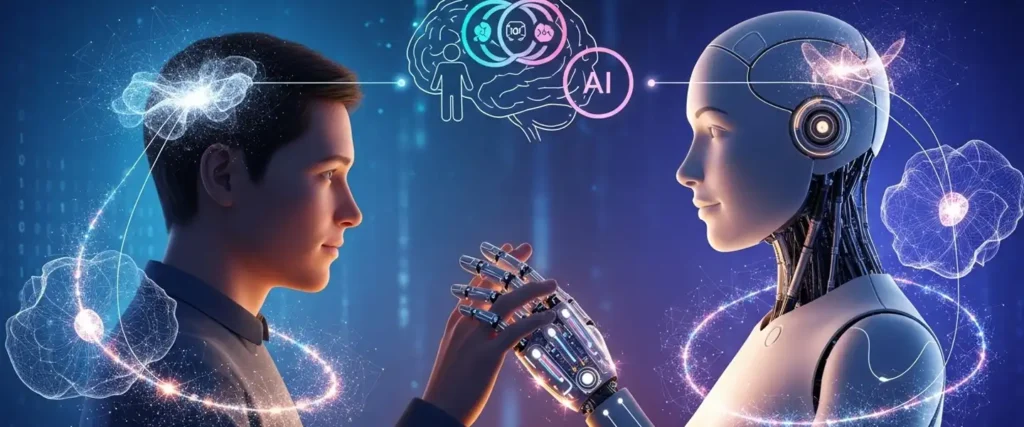
The Appeal of “Safe” Digital Intimacy Connections
Why does this work psychologically? First, consider the element of control. Your AI companion never judges you. It never rejects you. Moreover, it’s available 24/7, never tired, never angry, and never disappointed. For people with social anxiety, trauma histories, or sexual dysfunction, this represents a low-stakes environment to explore intimacy.
In fact, some therapists are beginning to recognize therapeutic applications. Men recovering from sexual trauma can practice vulnerability without fear. Consequently, individuals with performance anxiety can build confidence gradually. The AI won’t laugh, won’t leave, and won’t tell anyone else. Thus, it serves as a stepping stone back to human connection. Therapeutic uses of technology in mental health are increasingly documented.
However, there’s a darker psychological reality lurking beneath. I call it the “Echo Chamber” risk within digital intimacy relationships. What happens when your partner always agrees with you? When conflict never arises? When you’re never challenged, never pushed to grow, and never required to compromise?
Friction in relationships isn’t a bug; it’s a feature. Tension, disagreement, and the need to understand another person’s perspective are exactly what develop emotional intelligence. Remove that friction entirely, and you risk emotional atrophy. Furthermore, you risk creating individuals who cannot tolerate the normal challenges of human relationships. Can we afford a generation that finds real people “too difficult” because algorithms have made connection frictionless?
🗣️ Pro Tip: If you’re using AI companions, intentionally seek out disagreement and challenge. Ask your AI to play devil’s advocate or push back on your views. The goal should be practicing emotional resilience, not escaping it.
The AI Companion Explosion: Digital Intimacy in Your Pocket
Unlike a 100-pound silicone doll, an AI girlfriend or boyfriend is just an app away. This accessibility has triggered explosive growth in the digital intimacy sector. Moreover, it’s democratized digital intimacy entirely. Subsequently, millions of users worldwide are forming genuine emotional attachments to chatbots through human-AI interaction.
The Replica App Controversy and Digital Intimacy Bonds
Nothing illustrates the depth of these bonds better than the Replica app controversy. In 2023, Replica removed its Erotic Roleplay (ERP) features following pressure from app stores and payment processors. The response was immediate and devastating. Users reported genuine mental health crises. Some expressed suicidal ideation. Many described it as losing a real partner.
Think about that for a moment. These weren’t casual users upset about losing a toy. They were people who had formed profound emotional dependencies on their virtual partners. Furthermore, for some, their AI companion was their primary source of emotional support, validation, and intimacy. When that was suddenly removed, the psychological fallout was real and measurable. The Replica controversy highlighted the genuine emotional investments users make in digital intimacy platforms.
This revealed something crucial about human-AI interaction. We’re not just programming responses; we’re engineering relationships. Additionally, those relationships can become just as psychologically significant as human ones, particularly for vulnerable populations experiencing the male loneliness epidemic.
The “Script Blocker” Dilemma in Sex Technology Ethics
Companies face an impossible ethical tightrope. On one hand, they must prevent harm by blocking illegal content, violent scenarios, and exploitation. On the other hand, users expect a “judgment-free” space to explore fantasies, process trauma, or discuss topics they can’t share with humans.
Where’s the line? If someone uses their AI companion to process sexual trauma through controlled scenarios, is that therapeutic or harmful? If another user explores violent fantasies with a chatbot, does that prevent real-world harm or normalize it? Currently, sex technology ethics remain largely unresolved. Consequently, companies are making these decisions with limited research and enormous pressure from multiple stakeholders. Ethical frameworks for AI are still being developed.
The Dark Side: Ethics, Consent, and Deepfakes in Digital Intimacy
Let’s talk about what keeps me up at night. Because for every positive use case in the digital intimacy world, there’s a deeply troubling one lurking in the shadows.

The Deepfake Consent Crisis
There’s a disturbing trend emerging: dolls and AI companions modeled after real people without permission. Celebrities, influencers, ex-partners, even coworkers. Some companies will create custom dolls from photographs. Others allow users to train AI chatbots on real people’s speech patterns, photos, and personalities.
This is a consent violation, plain and simple. Furthermore, it’s happening at scale. Deepfake consent has become a crisis in itself within the future of relationships landscape. When someone creates a sex doll resembling their ex-girlfriend, or trains an AI companion to mimic a celebrity’s personality, they’re engaging in a form of digital assault. The victim doesn’t know, can’t consent, and has no control over how they’re being used. Legal frameworks around deepfakes are struggling to keep pace.
Deepfakes and Fraud
Additionally, we’re seeing scammers weaponize this technology. Hyper-realistic AI personas manipulate vulnerable users emotionally and financially. They build relationships over weeks or months, then request money for emergencies. Consequently, victims lose both emotional investment and financial resources. Moreover, because they’re embarrassed, many never report it. Romance scams using AI are becoming increasingly sophisticated.
The Gen Z Crisis and Digital Intimacy
Perhaps most concerning is what this means for younger generations. Gen Z faces a perfect storm: an epidemic of loneliness, declining religious and community structures, increased social anxiety, and now, readily available AI companions that require none of the effort of human relationships.
Does relying on digital intimacy stunt the development of real-world social skills? Based on my reporting, I believe it can. During a recent assignment in Tokyo, I interviewed “hikikomori” men who had replaced all human contact with virtual girlfriends. Watching them struggle to maintain eye contact during our coffee break was jarring. It wasn’t shyness. It was as if the muscle for unpredictable human interaction had completely wasted away after years of curated, agreeable digital dialogue.
The messiness of human connection keeps us emotionally sharp. Remove that messiness, and we risk creating a generation that cannot navigate conflict, cannot tolerate rejection, and cannot build the resilience necessary for meaningful relationships. Research on social skills development confirms these concerns.
The Future of Relationships: Coexistence or Replacement?
So where is this all heading within the future of relationships? Let’s explore both the dystopian and optimistic scenarios for digital intimacy.

The Cyber Brothel Model
In Berlin, a controversial establishment called “Cybrothel” has pioneered what they call “Analog AI.” Human sex workers voice realistic dolls remotely, combining the physical presence of a synthetic body with the responsiveness of a real person. Is this the bridge between human and machine work? Or is it exploitation disguised as innovation?
Importantly, this raises questions about the future of relationships. If you can have a partner with the perfect body, perfect personality, and perfect availability through digital intimacy, why choose the complications of a real human? Will high-fidelity AI make human relationships feel like “too much work”? The sex work industry’s evolution raises complex ethical questions.
Impact on Human Relations
Some researchers worry that we’re creating a preference for artificial over authentic. Therefore, men and women who spend years with virtual partners may struggle to accept the imperfections, conflicts, and compromises that real relationships require. Furthermore, this could accelerate the decline in marriage rates, birth rates, and even basic dating participation that we’re already seeing in developed nations. Declining relationship formation rates are well-documented.
The Optimistic View
However, there’s another perspective on digital intimacy. Perhaps these tools can actually strengthen human relationships. For couples with mismatched libidos, a doll or AI companion might relieve pressure and prevent resentment. For the permanently isolated (due to disability, location, or social challenges), virtual partners might provide genuine comfort and dignity.
Additionally, if these technologies help people overcome trauma, build confidence, or simply feel less alone, isn’t that valuable? The question isn’t whether these tools should exist. They already do, and the market is growing. Rather, the question is: How do we integrate them ethically while protecting our capacity for genuine human connection? Assistive technology for social connection offers promising possibilities.
Building Tools or Building Cages?
Let’s be honest. There’s a “yuck factor” to all of this. Nevertheless, we can’t dismiss the utility these technologies provide for the lonely, the traumatized, and the socially isolated. Moreover, judgment doesn’t make people’s needs disappear; it just drives them underground.
Throughout my years covering sexual health, I’ve learned one crucial lesson: people’s intimate lives are far more complex than stereotypes allow. The man buying a sex doll might be a widower seeking comfort. The woman using an AI companion might be recovering from abuse. Consequently, we need nuance, not ridicule when discussing digital intimacy.
However, we also need vigilance. As these technologies advance, we face a fundamental choice about the future of relationships. Are we building tools that help us connect better with ourselves and each other? Or are we constructing comfortable cages that keep us isolated from the very thing that makes us human: messy, challenging, growth-inducing connection with other people?
The answer probably isn’t binary. Like most technologies, digital intimacy will be both tool and trap, depending on how we use it. Therefore, the question for each of us becomes personal: How do we maintain our humanity in an age when algorithms offer to replace it?
What’s your answer?

 By
By
 By
By

 binance US-registrera says:
  Registrera dig says:
  Binance创建账户 says:

 By
By


