


I’ve watched countless global shifts throughout my career, but nothing quite matches the speed at which wellness and alternative health is transforming how we think about our bodies. Furthermore, this movement represents a complete reimagining of what it means to be well, combining ancient wisdom with modern science to create personalized approaches to health.
Millions of Americans are turning away from the one-size-fits-all approach to healthcare. Instead, they’re seeking something deeper, more personalized, and frankly, more human. Moreover, the numbers tell a compelling story—the global wellness market has exploded past $4.5 trillion, accelerating faster than traditional healthcare spending.
Why are holistic health practices and natural supplements like CBG gummies suddenly everywhere? People are tired of treating symptoms without addressing root causes. Additionally, they’re exhausted from constant stress, processed foods, and disconnection from nature. As a result, they’re demanding alternatives that honor the complexity of the human experience.
This revolution didn’t emerge from nowhere. Rather, it’s the result of several converging forces. First, we’re more informed than ever before, yet chronic diseases reach epidemic proportions despite massive healthcare spending. Second, ancient wisdom is finally meeting rigorous scientific validation. Meanwhile, technology has democratized access to wellness information and tools once available only to the privileged few.
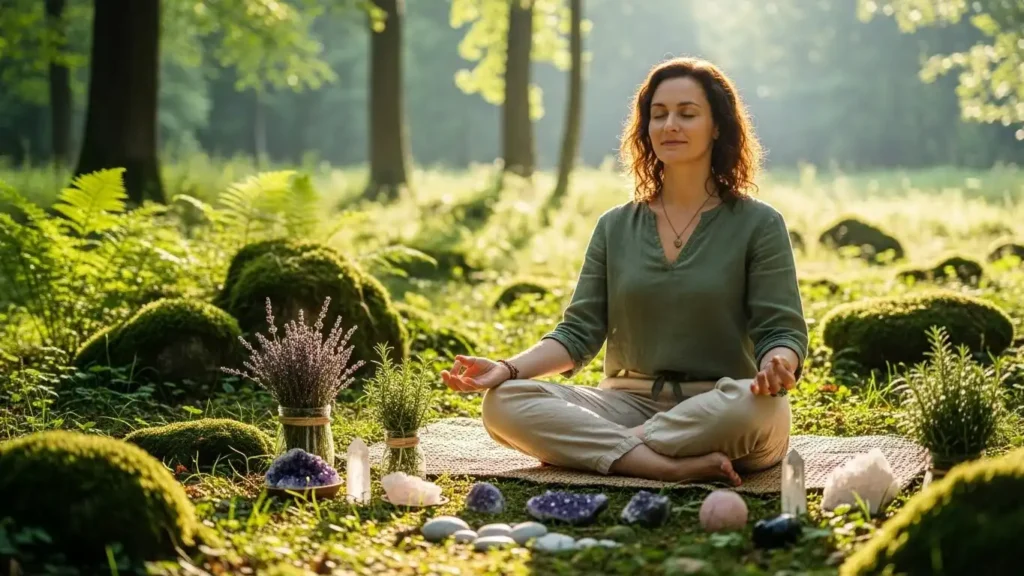
What does this mean for you? Simply put, you now have more power over your health than any previous generation. However, with this power comes the responsibility to navigate an increasingly complex landscape of options, claims, and contradictions.
💡 Pro Tip: Start your wellness journey by identifying one health concern that conventional medicine hasn’t fully resolved for you. Then, research evidence-based alternative approaches specifically targeting that issue.
The Rise of Holistic Health
Wellness and alternative health centers on a fundamental shift in perspective. Instead of viewing your body as a collection of separate systems, holistic health recognizes that your mind, body, and spirit are intricately connected. Consequently, when one suffers, they all suffer. Similarly, when one heals, they all benefit.
Ancient Wisdom Meets Modern Science
I’ve seen this principle validated repeatedly across different cultures and continents. For instance, ancient practices like Ayurveda from India and Traditional Chinese Medicine (TCM) have understood this for millennia. Nevertheless, modern science is now catching up, with researchers discovering that these ancient systems weren’t just philosophical musings—they were sophisticated frameworks based on careful observation and experimentation.
The Power of Integrative Medicine
Integrative medicine is where this convergence becomes most powerful. Rather than rejecting conventional medicine, it expands the toolkit. For example, a skilled integrative physician might combine pharmaceutical interventions with acupuncture, nutrition counseling, and stress management techniques, customizing this combination based on your unique circumstances.
The evidence supporting this approach is mounting. Indeed, studies show that patients receiving integrative care often experience better outcomes, higher satisfaction, and lower costs than those receiving conventional care alone. Furthermore, they report feeling more empowered and involved in their healing journey.
Holistic health asks you to take responsibility—you’re not a passive recipient of healthcare but an active participant in your wellbeing. In fact, this shift in mindset alone can be transformative.
📈 Pro Tip: Choose one integrative practice this month—whether it’s acupuncture, herbal medicine, or energy work—and commit to trying it for at least six sessions before evaluating its effectiveness.
Popular Supplements and Products
Let’s talk about the supplement boom. Walk into any health store today, and you’ll find shelves packed with products promising everything from better sleep to enhanced cognition. Among these, CBG gummies have emerged as a fascinating player in the wellness and alternative health space.

Understanding CBG and Cannabinoids
CBG, or cannabigerol, is a non-intoxicating cannabinoid that researchers are studying for its potential anti-inflammatory and neuroprotective properties. Unlike CBD, which has saturated the market, CBG is newer and showing promise for specific conditions. However, here’s my journalist’s caution: the research is still early, so approach these products with informed curiosity rather than blind faith.
The Adaptogen and Probiotic Revolution
Beyond cannabinoids, adaptogens are having their moment. These herbs—like ashwagandha, rhodiola, and holy basil—supposedly help your body adapt to stress. Similarly, the probiotic market has exploded as we’ve learned more about gut health. Meanwhile, focused nutrition products targeting specific deficiencies or health goals are becoming increasingly sophisticated.
What’s driving this boom? Partly, it’s desperation—people struggle with chronic conditions that conventional medicine hasn’t solved. Additionally, there’s growing distrust of pharmaceutical companies and their profit motives. Consequently, supplements offer a sense of control and agency over one’s health.
Navigating the Supplement Landscape Safely
We need to be smart here. Unfortunately, the supplement industry is poorly regulated, and quality varies wildly between brands. Moreover, “natural” doesn’t automatically mean “safe.” Some supplements interact dangerously with medications, while others contain contaminants or inaccurate dosages.
How do you navigate this landscape? First, work with a knowledgeable healthcare provider who understands both conventional and alternative approaches. Second, choose third-party tested products from reputable manufacturers. Finally, start slowly and monitor your response carefully.
💡 Pro Tip: Before adding any new supplement to your routine, research its interactions with your current medications using reliable databases like the Natural Medicines database or consult a clinical pharmacist.
Mental Well-being and Stress Management
If there’s one area where wellness and alternative health have made the most impact, it’s mental well-being. Indeed, we’re finally acknowledging what ancient traditions always knew: mental health and physical health are inseparable.
Mindfulness and Meditation Go Mainstream
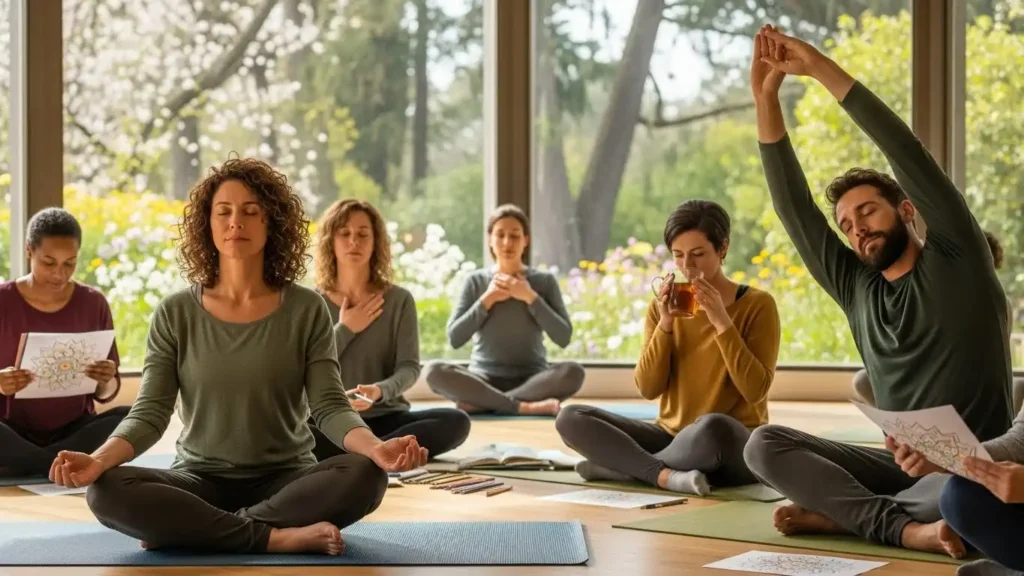
Mindfulness and meditation have moved from the fringes to the mainstream. For example, major corporations now offer meditation apps to employees, while schools teach breathing techniques to children. As a result, millions of people are experiencing firsthand how a simple daily practice can reduce anxiety, improve focus, and enhance emotional resilience.
The science backing these practices is robust. Specifically, brain imaging studies show that regular meditation literally changes brain structure, strengthening areas associated with attention and emotional regulation. Furthermore, mindfulness-based interventions have proven effective for conditions ranging from depression to chronic pain to addiction.
Beyond the Cushion: Diverse Stress Relief Methods
Stress relief requires more than just sitting on a cushion. For instance, eco-therapy research shows that spending time in nature reduces cortisol levels, lowers blood pressure, and improves mood. Remarkably, even twenty minutes in a park can make a difference. Similarly, at-home self-care practices like aromatherapy, journaling, and creative expression offer accessible tools for managing daily stress.
The Micro-Retreat Movement
Micro-retreats represent another interesting trend I’m tracking. Instead of waiting for an annual vacation, people build small pockets of restoration into their regular schedules. This might mean a three-hour digital detox every Sunday or a monthly solo day trip to somewhere peaceful.
Meanwhile, workplace wellness programs are evolving beyond gym memberships. Progressive companies now offer mental health days, on-site counseling, and stress management workshops. Importantly, they’re recognizing that supporting employee wellbeing isn’t just ethical—it’s economically smart.
How are you currently managing your stress? Is it working?
🗣️ Pro Tip: Create a “stress response toolkit” with three techniques you can deploy in different situations: one for acute stress (like box breathing), one for chronic stress (like daily journaling), and one for prevention (like weekly nature walks).
Gut Health and Nutrition
Here’s something that would have sounded crazy a decade ago: your gut might be controlling your mood. Yet the gut-brain connection is now one of the hottest areas in health research. Consequently, we’re understanding that the trillions of bacteria in your digestive system aren’t just processing food—they’re producing neurotransmitters, regulating immunity, and influencing virtually every aspect of your health.
Why Gut Health Matters for Overall Wellness
This explains why gut health has become such a priority in wellness and alternative health circles. When your microbiome is out of balance, everything suffers. For instance, you might experience digestive issues, anxiety, brain fog, skin problems, and weakened immunity. Moreover, emerging research links gut dysbiosis to conditions as diverse as obesity, diabetes, autoimmune diseases, and even Parkinson’s.

Functional Nutrition for Optimal Gut Health
How do you support a healthy gut? Functional nutrition offers a comprehensive approach. Instead of following generic dietary guidelines, it emphasizes bio-individuality—recognizing that different people thrive on different diets. Additionally, it focuses on whole, unprocessed foods rich in fiber, fermented foods that provide beneficial bacteria, and anti-inflammatory fats that support gut lining integrity.
The Mediterranean diet consistently emerges as one of the best approaches for both gut health and longevity. Rich in vegetables, fruits, whole grains, legumes, olive oil, and moderate amounts of fish, it’s been extensively studied and linked to reduced risk of virtually every chronic disease.
The Diversity Principle
Here’s what matters most: consistency beats perfection. You don’t need to eat flawlessly to support your gut. Instead, focus on gradually increasing the diversity of plant foods in your diet. Specifically, aim for thirty different plant species per week. This diversity feeds different beneficial bacteria and creates a more resilient microbiome.
Are you paying attention to how different foods make you feel? That’s your gut talking to you.
Energy Healing and Mind-Body Practices
Now we’re venturing into territory that makes some people uncomfortable. Energy healing modalities like Reiki, sound healing, and chakra balancing often get dismissed as pseudoscience. However, before rejecting them entirely, let’s examine what’s actually happening in the wellness and alternative health field.
Understanding Energy-Based Approaches
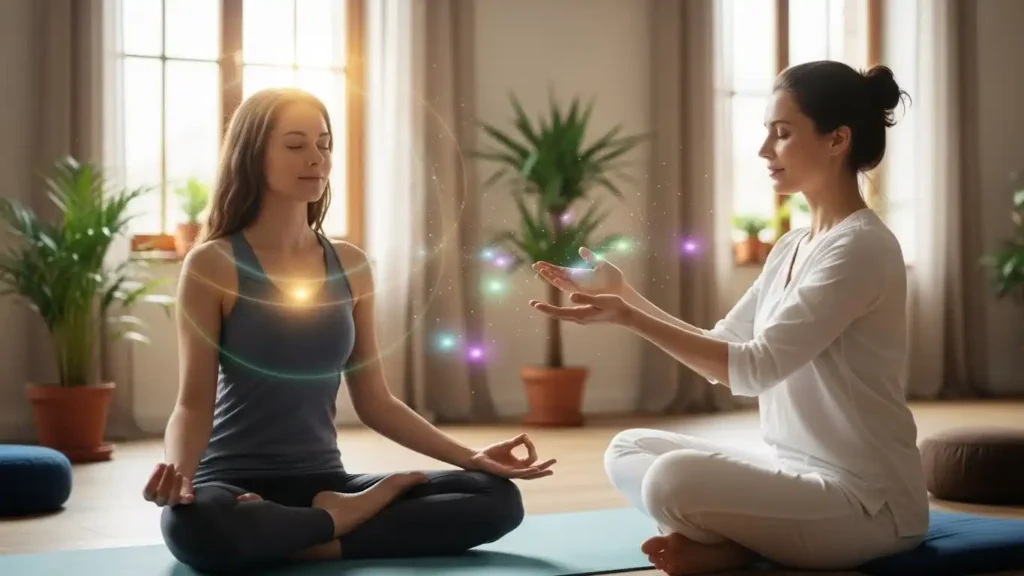
The fundamental premise is that everything is energy, including our bodies. When energy flow becomes blocked or imbalanced, health problems emerge. Therefore, these practices aim to restore balance and promote the body’s natural healing capacity.
Does this sound too mystical? Consider this: conventional medicine uses energy too. X-rays, ultrasounds, MRIs, radiation therapy—all energy-based interventions. Furthermore, we know that electromagnetic fields affect biological systems. Your heart and brain both generate measurable electromagnetic fields, so the idea that external energy might influence internal processes isn’t inherently absurd.
What the Research Shows
The research here is admittedly mixed. For example, some studies on Reiki show benefits for pain and anxiety, while others show no effect beyond placebo. In contrast, sound healing has more promising evidence, with certain frequencies demonstrably affecting brain wave patterns and stress hormones. Similarly, practices that combine energy concepts with physical movement—like qigong and tai chi—have robust evidence supporting their benefits for balance, stress reduction, and chronic pain management.
My perspective as a journalist who’s investigated these practices globally? The mechanism might not be what practitioners claim, but the effects can be real. Moreover, the ritual, human connection, deep relaxation, and mindful attention all have therapeutic value regardless of whether “energy” is being transferred.
The key is integration. Rather than replacing conventional treatments, these modalities work best as complementary approaches within a broader health strategy.
💡 Pro Tip: If you’re curious about energy healing, start with practices that combine energy concepts with movement or sound, like yoga, qigong, or sound baths. These offer tangible physical benefits alongside any energetic effects.
Personalized Wellness Journeys
One size never fit all, yet healthcare has operated on that assumption for decades. Fortunately, we’re finally embracing bio-individuality—the recognition that your optimal health plan might look completely different from mine. Consequently, personalized wellness and alternative health approaches are becoming the new standard.
Levels of Personalization
This personalization operates at multiple levels. At the most sophisticated end, we have genetic testing that reveals your predispositions to certain conditions, how you metabolize different nutrients, and which medications you’re likely to respond to. Additionally, advanced microbiome testing can show exactly which bacteria are present in your gut and which nutrients might support optimal balance.
Personalization doesn’t require expensive testing. Often, it simply means paying attention. For example, how do you feel after eating certain foods? Which forms of exercise energize you versus depleting you? What time of day are you most productive? When do you naturally feel sleepy? These personal patterns are valuable data points for customizing your approach.
Technology and Self-Tracking
Wearables and health-monitoring technology have made this easier than ever. Indeed, devices now track everything from sleep quality to heart rate variability to blood glucose levels. They’re becoming increasingly accurate and affordable. However, data without interpretation is just noise—the real value comes from identifying patterns and adjusting your behaviors accordingly.
The Integrative Approach to Personalization
Integrative medicine practitioners excel at this personalized approach. Specifically, they consider your genetics, lifestyle, environment, stress levels, relationships, and meaning-making when developing treatment plans. Furthermore, they recognize that what works now might need adjustment as your life circumstances change.
The challenge? Personalization requires active participation. You can’t just follow a protocol and zone out. Instead, you need to observe, experiment, and refine continuously. This takes time and attention, but the payoff is a health strategy that actually fits your life.
Alternative Treatments and Integrative Care
Let’s address the elephant in the room: alternative treatments have a mixed reputation. Some are backed by solid science, others are questionable at best, and many fall somewhere in between. Therefore, we need to approach this landscape with both open-mindedness and critical thinking.
Evidence-Based Alternative Therapies
The best-researched alternative therapies tend to be those with long historical use and plausible mechanisms. For instance, acupuncture has demonstrated effectiveness for chronic pain, nausea, and certain other conditions. Similarly, mindfulness-based interventions have robust evidence for depression, anxiety, and stress reduction. Meanwhile, the Mediterranean diet shows powerful effects for preventing cardiovascular disease and cognitive decline.
When Integrative Care Shines
Integrative care shines brightest in managing chronic conditions where conventional medicine often struggles. Take chronic pain, for example—pills rarely solve the problem and often create new ones. In contrast, a combination of physical therapy, acupuncture, mindfulness training, anti-inflammatory nutrition, and appropriate medication often succeeds where any single approach fails.
Mental health treatment is increasingly integrative. Indeed, research shows that combining therapy with practices like exercise, meditation, nutritional support, and sometimes medication produces better outcomes than medication alone. Furthermore, this approach tends to be more sustainable because it builds skills and resilience rather than just suppressing symptoms.
Exercising Caution
Here’s where caution becomes critical: alternative doesn’t mean safe. Some herbal remedies interact dangerously with medications. Additionally, some practices can worsen certain conditions. Some practitioners make claims far beyond what evidence supports, so you need to be an informed consumer.
Evaluating Alternative Treatments
How do you evaluate alternative treatments? First, look for peer-reviewed research, not testimonials. Second, consider the risk-benefit ratio. Third, consult with knowledgeable healthcare providers who understand both conventional and alternative approaches. Finally, be especially cautious about treatments claiming to cure serious diseases or requiring you to stop conventional treatments.
📈 Pro Tip: When researching alternative treatments, check PubMed for peer-reviewed studies and the Cochrane Database for systematic reviews. Look for studies in reputable journals, not just websites selling the treatments.
Wellness in Everyday Life: Self-Care and Lifestyle Habits
Here’s what I’ve learned covering health stories worldwide: the most powerful interventions are often the simplest ones. Indeed, wellness and alternative health in everyday life isn’t about elaborate protocols or expensive supplements—it’s about consistent lifestyle habits that support physical, mental, and emotional balance.
The Foundation of Self-Care
Self-care has become a buzzword, but at its core, it’s about treating yourself with the same compassion and attention you’d give someone you love. This means regular sleep, nutritious food, movement, social connection, and activities that bring joy and meaning. Furthermore, it means setting boundaries and saying no when necessary.
Science-Backed Health Fundamentals
Health tips don’t need to be complicated. Here are some basics that science consistently supports: Move your body daily in ways you enjoy. Eat mostly whole, unprocessed foods. Get seven to nine hours of sleep. Spend time in nature. Cultivate meaningful relationships. Find purpose and meaning. Manage stress through practices that resonate with you. Limit alcohol and avoid smoking.
At-Home Wellness Practices
At-home self-care practices are becoming increasingly sophisticated. For example, infrared saunas offer cardiovascular and detoxification benefits. Cold plunges boost immunity and mood. Aromatherapy influences nervous system function through scent. Red light therapy supports skin health and cellular energy. Moreover, these once-luxury interventions are becoming accessible for home use.
Digital Wellness Matters
Digital wellness is another critical piece. Our constant connectivity creates unprecedented stress and attention problems. Therefore, building boundaries around technology—like device-free meals, morning routines without screens, and evening wind-downs without blue light—has become essential for wellbeing.
The Functional Medicine Approach
Functional medicine emphasizes prevention and root cause analysis rather than just symptom management. This approach asks: Why is this problem occurring? What imbalances are creating these symptoms? How can we address the underlying causes rather than just suppressing symptoms? Consequently, it tends to produce more lasting results.
The Power of Small Changes
The beauty of focusing on lifestyle is that small changes compound over time. You don’t need to overhaul everything at once. Instead, add one positive habit per month. Let it become automatic before adding the next one. Ultimately, this approach is far more sustainable than dramatic makeovers that rarely last.
What’s one simple habit you could add this week?
Longevity and Future Wellness Trends
The ultimate goal of all this wellness work is a long, healthy, vibrant life. Fortunately, longevity science is exploding with insights about what actually extends both lifespan and healthspan—the number of years you live in good health.
Lessons from Blue Zones
Surprisingly, the answers aren’t that complicated. Blue Zones research has identified five regions where people regularly live past 100 in good health. What do they have in common? They move naturally throughout the day. They have purpose and meaning. They manage stress effectively. They eat mostly plants. They belong to supportive communities. They put family first. They engage socially. They consume alcohol moderately and stop eating before they’re completely full.
Notice anything expensive or exotic on that list? The longest-lived populations aren’t consuming expensive supplements or undergoing cutting-edge treatments. Instead, they’re living in alignment with fundamental human needs.
Emerging Longevity Science
That said, emerging science offers intriguing possibilities. For instance, research on caloric restriction, fasting, and compounds like resveratrol and NAD+ boosters suggests potential pathways for extending healthy lifespan. Scientists are investigating how to slow or even partially reverse biological aging, though most of this research is still early-stage.
Future Trends Shaping Wellness
Looking ahead, several trends are reshaping the wellness and alternative health landscape. Telehealth has exploded, making specialized care accessible regardless of location. Virtual wellness communities provide support and accountability. Wearable technology is becoming more sophisticated, offering real-time insights into our biology. Meanwhile, AI is beginning to personalize health recommendations based on vast datasets.
The Community Dimension
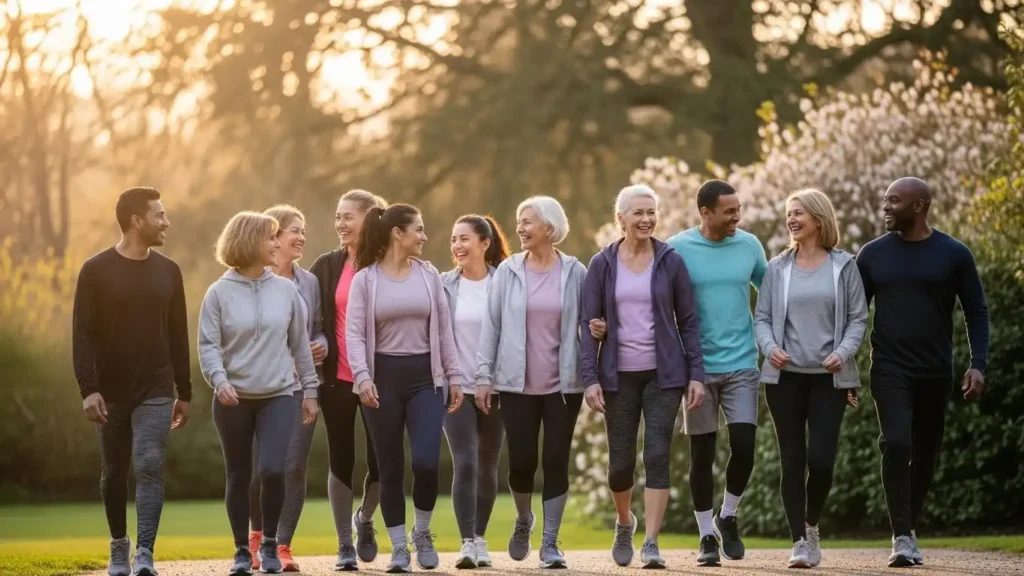
Community-based wellness is also resurging. People recognize that health isn’t just individual—it’s collective. Consequently, we’re seeing more walking groups, community gardens, neighborhood fitness classes, and mutual support networks. This social dimension of wellness might be just as important as any intervention.
The future of wellness likely involves integration: ancient wisdom meets modern science, high-tech monitoring enables low-tech lifestyle changes, personal responsibility combines with community support, and conventional medicine collaborates with alternative approaches.
🗣️ Pro Tip: Focus on the fundamentals before chasing cutting-edge longevity interventions. Master the basics—sleep, nutrition, movement, stress management, and social connection—before investing in expensive anti-aging protocols.
Embracing the Wellness Revolution
We’re living through a pivotal moment in health history. For the first time, individuals have unprecedented access to information, tools, and practices from diverse healing traditions. Consequently, you have more agency over your wellbeing than any previous generation.
Navigating the Wellness Landscape with Wisdom
This power requires wisdom. The wellness and alternative health space is crowded with both legitimate innovations and questionable schemes. Therefore, starting your own personalized wellness journey requires discernment. Begin by assessing your current state honestly. What’s working? What isn’t? Which areas of your health need the most attention?
Research evidence-based approaches for those specific concerns. Look for practices with both traditional use and modern validation. Additionally, start with low-risk, high-impact interventions before moving to more expensive or complex ones. Work with qualified practitioners who combine expertise with genuine care for your wellbeing.
Quality Over Quantity
When choosing effective alternative treatments and supplements, prioritize quality over quantity. Indeed, a few well-chosen, high-quality interventions will serve you better than a dozen random products. Give changes time to work—real transformation happens gradually, not overnight.
Maintaining a Critical Mindset
Stay informed but skeptical. Question claims that sound too good to be true. Demand evidence, not just testimonials. Furthermore, be willing to adjust your approach as new information emerges or your circumstances change.
Wellness as a Journey
Most importantly, remember that wellness and alternative health isn’t a destination—it’s a journey. There’s no perfect state to achieve and maintain forever. Rather, it’s an ongoing process of learning, adjusting, and growing. Approach it with curiosity rather than rigid perfectionism.
The wellness revolution is really about reclaiming our humanity in an increasingly disconnected, fast-paced world. It’s about remembering that we’re biological beings with deep needs for connection, movement, nature, purpose, and peace. Moreover, it’s about building lives that honor these needs rather than constantly override them.
Your First Step
You don’t need to do everything. You don’t need to be perfect. You simply need to take one step, then another, in the direction of greater vitality and wellbeing. The path will unfold as you walk it.
What will your first step be?

 By
By
 By
By

 注册以获取100 USDT says:
  Binance开户 says:
  xeta says:
  registrera dig f"or binance says:
  最佳Binance推荐代码 says:
  Создать бесплатную учетную запись says:
  Vytvorení bezplatného úctu says:
  binance Registrera dig says:

 By
By


