


As a reconstructive urologist, I have spent years helping men navigate the complex and often silent struggles of sexual dysfunction. My clinical philosophy is simple: you deserve to feel whole. Whether you are recovering from prostate cancer treatment or simply noticing the changes that come with age, your quality of life matters just as much as your physical survival. In my practice, I often see men who wait too long to seek help because of embarrassment or misinformation. Today, we are going to change that. We will explore the science of penile rehabilitation, the truth about Sildenafil and Tadalafil, and how to protect your intimate health for the long haul.

Protecting Your Performance: A Comprehensive Guide to Penile Health, Sexual Recovery, and Sildenafil and Tadalafil
The Paradigm Shift in Survivorship
For decades, the medical community focused almost exclusively on “curing” the disease. If a patient survived cancer, the treatment was considered a success, regardless of the cost to their daily life. Fortunately, we are witnessing a massive paradigm shift toward “survivorship medicine.” This approach recognizes that survival is not enough; you must also be able to live a life that feels fulfilling and vibrant.
In my clinic, I emphasize that sexual health is a critical pillar of this survivorship. It is not frivolous or secondary. It is central to how you connect with your partner and how you view yourself. When we prioritize your sexual function, we are prioritizing your humanity.
Defining Penile Health
Many men treat their erections like a light switch—they expect them to turn on instantly whenever they want. However, penile health is much more like maintaining a high-performance engine. It requires consistent blood flow and tissue oxygenation to prevent atrophy. If you stop having erections, the tissue can actually change on a cellular level, leading to fibrosis or scarring.
Proactively managing this health is vital. This concept, often called “penile rehabilitation,” is about keeping the tissue healthy today so that it works for you tomorrow. It is a “use it or lose it” scenario, and understanding this is the first step toward taking control.
Article Goal
My goal with this guide is to demystify the tools we have available. We will look at oral medications like Sildenafil and Tadalafil, explore advanced treatments like injections, and discuss what recovery really looks like after prostate cancer. I want to provide you with an actionable, science-backed roadmap to improve your sexual satisfaction and restore your confidence.
The Role of PDE5 Inhibitors (Sildenafil & Tadalafil) in Preventive Care
When Should a Healthy Man Consider Sildenafil and Tadalafil?
The Age 40 Milestone
A common question I hear is: “Doctor, I don’t have ED yet, but should I be doing something to prevent it?” The answer is often yes. While there isn’t a specific medical consensus on the exact starting day, many experts suggest that around age 40 is a reasonable time to start thinking about protection. If you are a healthy 40-year-old, you should consider strategies to protect your long-term erectile function.
Why 40? This is the age where vascular changes often begin, even if they aren’t yet symptomatic. By maintaining regular nocturnal erections and strong blood flow, you help preserve the elasticity of the penile tissue.
Intercourse as a Health Goal
Not everyone is sexually active, and that is perfectly fine. But if you are a “sexual human being” and intercourse-based relationships are important to you, then you need to think about your penile health proactively. Just as you might take supplements for your heart or joints, considering low-dose daily PDE5 inhibitors can be a strategy to maintain your “machinery.”
Addressing the Younger Population (Age 25 and Under)
Psychological vs. Physical Dependency
When a 25-year-old healthy male walks into my office asking for pills, my concern shifts. It is rarely about tissue protection at that age. Instead, they are often looking for an “extra boost.” While there is no physical dependency on Sildenafil and Tadalafil, there is a very real risk of psychological dependency.

I worry when a young man with perfectly normal vascular function feels he can only perform when he takes a pill. He isn’t relying on the drug because his body needs it; he is relying on it because his confidence is low. This can create a cycle where he feels “broken” without the medication, despite being physically healthy.
Anxiety and Confidence Restoration
However, there is a flip side. For some young men, severe anxiety creates a self-fulfilling prophecy of failure. In these cases of “psychogenic ED,” using medication temporarily can be a powerful tool to break the cycle.
We published data showing that for men with normal hormones and blood flow, using pills to restore confidence works. In fact, 90% of men in stable relationships were able to come off the pills eventually because their confidence returned.
The “Situationship” Factor
Should healthy men use PDE5 inhibitors preventatively to protect long-term erectile function? For older men, yes. But for single younger men, the context matters.
Recovery of confidence is much harder if you are in a “situationship” or dating casually. Every new partner is a “new adrenaline generator”. The stress of performing with a new person every few months can keep adrenaline levels high, which kills erections. In contrast, a sustained, loving relationship provides the safety needed to wean off medication.
Dosing Sildenafil and Tadalafil Safely
Whether you are using these for prevention or anxiety, safety is paramount. Never self-adjust your dose without talking to your doctor. These medications are safe for most, but they are potent vascular drugs that require respect.
Advanced Interventions: Intracavernosal Injections (ICI)
How Injection Therapy Works
A Lesson in History
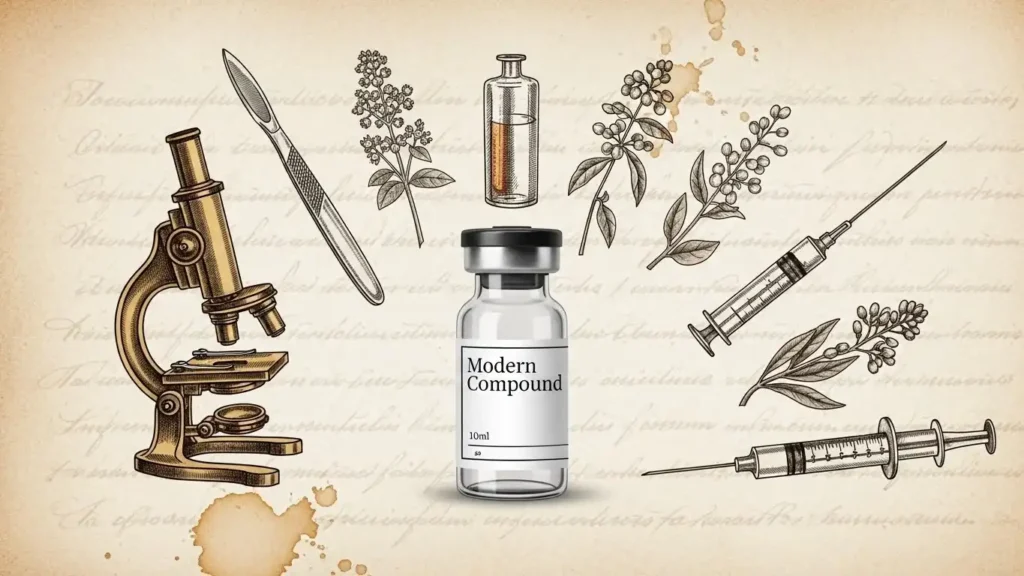
Intracavernosal injections (ICI) might sound intimidating, but they have a fascinating history. In 1982, a vascular surgeon named Ronald Virag accidentally injected a vasodilator drug called papaverine into the wrong artery during leg surgery, and the patient got an erection. Around the same time, Giles Brindley demonstrated a similar effect with phenoxybenzamine. By 1985, injection therapy had become a major breakthrough in the US.
The Mechanism
Today, we use this same principle. We use a tiny “diabetic needle” to inject vasodilator drugs directly into the shaft of the penis. The medication bypasses the nerves and goes straight to the blood vessels, causing them to open up physically. It is injected into the “meat” of the penis, away from the head and urethra.
Success Rates and “Integratability”
High Clinical Success
The efficacy of injections is undeniable. If you come to see us after a prostatectomy and start injections, you have about a 92% chance of achieving an erection hard enough for penetration within six months. As I tell my patients, “You will get an erection you will be proud of”.
The Integration Challenge
Despite this success, there is a high drop-out rate. About 50% of men stop using injections over five years. Why? It usually isn’t because the drug stopped working. It is because of “integratability”.
If a treatment cannot be naturally integrated into your lovemaking, you won’t stick with it.
Practical Implications
Imagine a 45-year-old divorced man who is dating again. He has to carry a cooler with medicine on a date, excuse himself to the bathroom, and inject himself before things get intimate. It kills the spontaneity. While injections are amazing for restoring confidence and keeping the tissue healthy, the lack of spontaneity is a real hurdle for many.
Safety and Technique
Priapism Risks
The biggest fear men have is priapism—an erection lasting longer than four hours. While this is a medical emergency, it is incredibly rare in a well-monitored program. In our program, the rate is only 0.2%.
Pro Tip: Priapism is rare if you follow instructions. Never try to “double up” on doses just because you are nervous. Trust the protocol! 🧊
Common User Errors
Most complications come from user error, not the drug itself.
- Poor Technique: Men get nervous and pull the needle out while the plunger is still going down, missing the medication delivery.
- Self-Dosing: A patient might increase their dose from 4 units to 5 units without asking. That sounds small, but it is a 25% increase! Patients who self-adjust doses have a ten-fold increase in priapism risk.
Refrigeration Reality
Some mixtures, like “Trimix,” contain Alprostadil (PGE1), which is unstable at room temperature and degrades over time. This makes travel difficult.
However, you don’t need to be obsessive. If you are going away for a romantic weekend, you can pre-fill two syringes. The drug won’t deactivate in just two days; it takes weeks of exposure to lose potency.
Sexual Function After Prostate Cancer Treatment
Predicting Recovery Outcomes
The Three Confounders
Recovering erectile function after prostate cancer treatment depends on three main factors, which often act as confounders when we try to predict outcomes:
- Patient Age: Younger men generally preserve function better.
- Baseline Function: If you had great erections before surgery, your odds of recovery are higher. If you had diabetes-induced ED beforehand, recovery is harder.
- Nerve Sparing: This is crucial.
Nerve-Sparing Surgery
I advise all my patients to speak to their surgeon on the morning of the procedure. Remind them, “Doctor, please do your best with my nerves”. The quality of the nerve-sparing technique used during the prostatectomy is the single most important surgical variable for your future sexual function.
The Threat of Androgen Deprivation Therapy (ADT)
Testosterone and Tissue Health
Perhaps the most dangerous thing for penile health is taking away testosterone. Androgen Deprivation Therapy (ADT) is often used with radiation to starve cancer cells, but it also starves your penile tissue.
The Bicep Analogy
Think of your penis like your bicep. Inside, it is largely muscle. If you put your arm in a cast for a year, the muscle shrinks and atrophies. That is exactly what drugs like Lupron do to the penis.
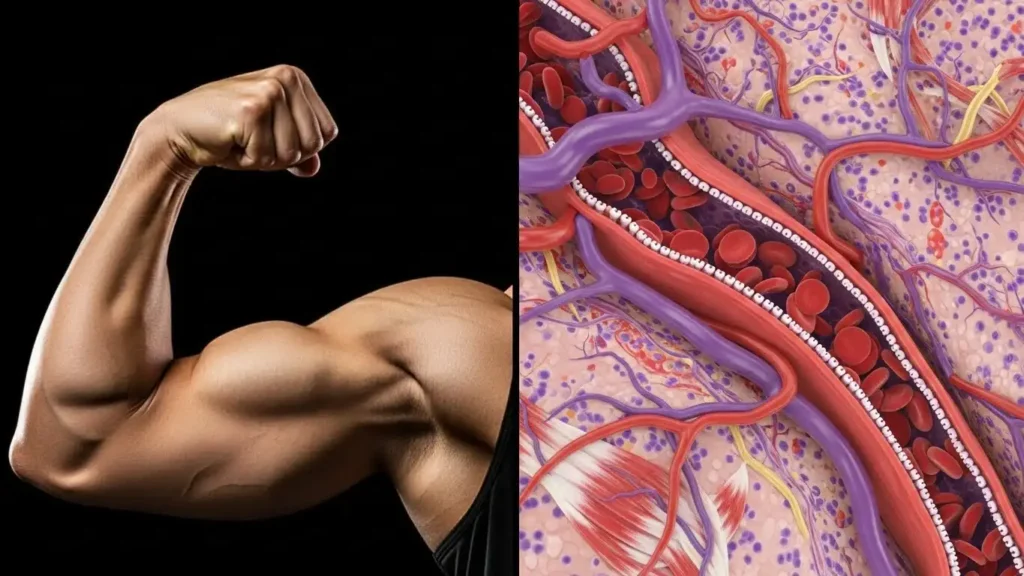
Without testosterone, the smooth muscle inside the penis begins to turn into collagen. This isn’t a temporary change; it is structural damage. Men on long-term hormones often stop responding to pills entirely and require injections or implants.
Pro Tip: If you are undergoing radiation, ask specifically about the duration of hormone therapy. The difference between 6 months and 2 years of ADT can be massive for your recovery. ⏳
Surgery vs. Radiation: The Honest Numbers
The 50-60% Rule
Patients often ask if they should choose surgery or radiation to save their erections. I tell them this: In general terms, you have about a 50 to 60% chance of regaining function (with or without pills) two years after surgery.
Comparing Timelines
Surprisingly, the numbers are roughly the same for radiation therapy at the three-year mark. Radiation damage is slower and cumulative, while surgical damage is immediate but can improve. If you look at the long-term data, the rates of ED equalize between the two groups, provided good nerve-sparing was done.
Modern Focused Therapies and Alternative Treatments
Emerging Technologies
HIFU and Cryotherapy
We are seeing new “focal” therapies like High-Intensity Focused Ultrasound (HIFU) and Cryotherapy. While promising, we simply do not have long-term studies on their sexual outcomes yet.
Hemi-Gland Ablation
Treating only half the prostate (hemi-gland ablation) seems to offer better erectile preservation than treating the whole gland. However, if you ablate the entire gland using these new methods, the ED rates are similar to standard surgery.
Risks of Minimally Invasive Procedures
Ejaculatory Duct Injury
Men often choose these “less invasive” options hoping to save their ejaculation. But you must understand anatomy. The treatments are administered millimeters away from the ejaculatory ducts. Even with focal therapy, it is not uncommon to injure a duct and lose the ability to ejaculate, at least temporarily.
The Emotional Landscape: Ejaculation vs. Orgasm
Understanding the Difference
Ejaculation as Fluid Expulsion
One of the most confusing changes for survivors is the loss of ejaculation. About 90% of men stop ejaculating five years after radiation, and almost all men stop after surgery. This is the loss of fluid expulsion.
Orgasm as a Cerebral Event
However, orgasm is different. Orgasm is the pleasure derived from the climax—it is a cerebral (brain) and pelvic muscle phenomenon. You can have an orgasm without expelling a single drop of fluid.
Why do some men stop responding to Sildenafil and Tadalafil after undergoing hormone therapy for cancer? Often, it is because the tissue itself has changed due to testosterone loss, not just nerve damage.
Managing Orgasmic Intensity
The “New Sex” Concept
We talk about “new sex” after cancer. Part of this is accepting that orgasms will feel different. About 50% of men say it is less intense, and 40% say it feels the same.
The 10% Anomaly
Fascinatingly, about 10% of men report that their orgasms are actually more intense after surgery. We don’t know exactly why—perhaps it is related to changes in the pelvic floor muscles—but it shows that a fulfilling sex life is absolutely possible post-treatment.
Ejaculatory and Orgasmic Distress
Despite this, many men feel “ejaculatory distress.” About one-third of straight men are deeply bothered by the dry orgasms. It is a valid loss, and acknowledging that grief is part of the healing process.
Pro Tip: Focus on the sensation of the climax rather than the visual of the fluid. Your brain is the most important sexual organ you have! 🧠
Empowerment Through Shared Decision-Making
Obsessive Onco-Centricity
I teach a concept called “obsessive onco-centricity.” This is when doctors become so obsessed with the cancer (the PSA score) that they forget the person.

Patient Advocacy
You must be your own advocate. Ask your radiation oncologist: “What is the actual survival benefit of doing 2 years of hormones versus 6 months?”. If the survival difference is negligible but the quality of life difference is huge, you should be the one to make that call.
Conclusion
Recovery is not a passive process. It requires work, patience, and often a multimodal approach using pills like Sildenafil and Tadalafil, injections, or devices. But as I always remind my patients: anything worth having requires work. You are worth the effort. Do not suffer in silence. Talk to a specialist, start your rehabilitation, and reclaim your quality of life.

 By
By
 By
By


 By
By


