

Estimated Reading Time: 21 minutes
The Wake-Up Call Most Men Ignore
Every 36 seconds, someone in the United States dies from cardiovascular disease. Meanwhile, over 30 million American men struggle with erectile dysfunction. Here’s what shocked me after years of investigating sexual health: these aren’t separate problems. They’re two symptoms of the same underlying crisis happening inside your blood vessels.
As a seasoned sexual health journalist, I’ve interviewed hundreds of men who dismissed their erectile difficulties as “just getting older” or “stress.” Years later, they discovered they had significant cardiovascular disease. The pattern is striking. Men in their middle years who addressed their erectile dysfunction through vascular health interventions didn’t just restore their sexual function. Moreover, they often reversed metabolic syndrome markers their doctors had been monitoring.
What consistently surprises the men I speak with? Learning that their erectile tissue is essentially a canary in the coal mine. Indeed, penile arteries show dysfunction 3 to 5 years before their coronary arteries reach the same critical threshold.
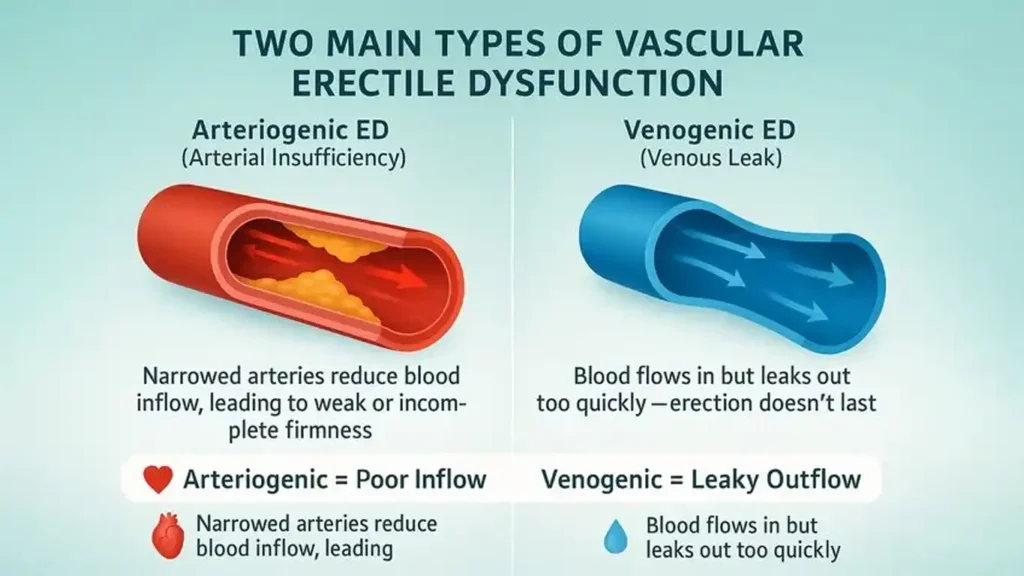
Here’s the truth: Erectile dysfunction is fundamentally a metabolic and vascular issue. It’s rooted in nitric oxide deficiency, often triggered by insulin resistance, chronic inflammation, and poor dietary choices. However, all of these factors can be addressed through targeted interventions to restore endothelial function.
This isn’t just about sex. It’s about survival. Therefore, let me show you how understanding this connection could save your life.
Why Your Penis Knows Before Your Heart Does
Think about this for a moment. The arteries in your penis are tiny, measuring just 1 to 2 millimeters in diameter. In contrast, your coronary arteries are 3 to 4 millimeters wide. Consequently, when vascular dysfunction begins, those smaller vessels show problems first.
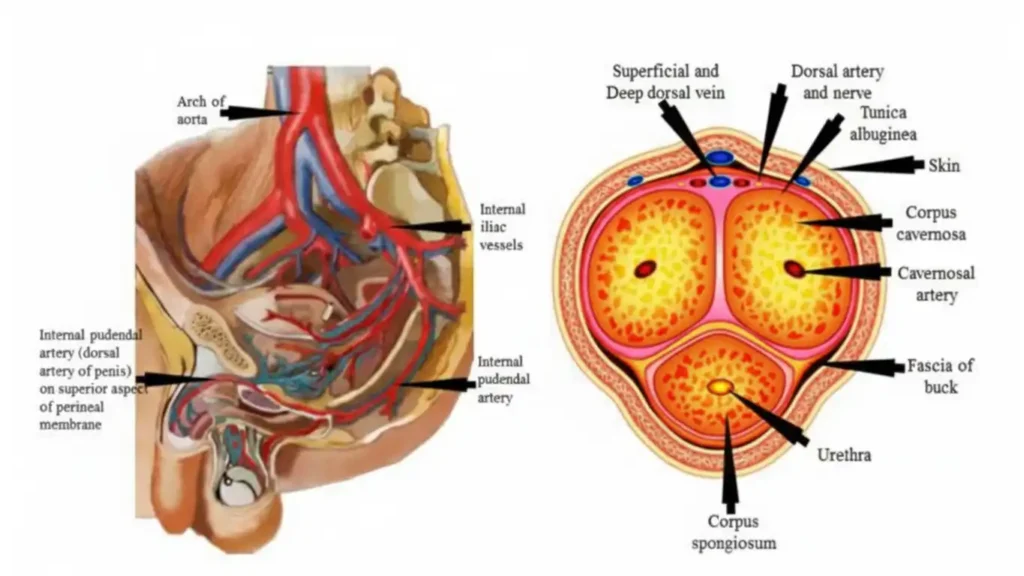
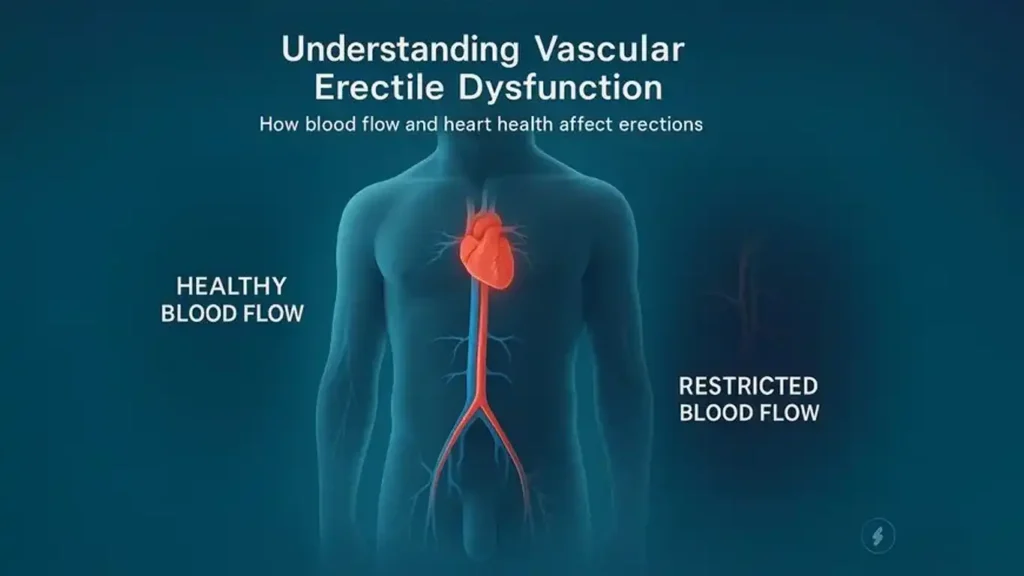
This is why erectile dysfunction often appears years before a heart attack. The same disease process affecting blood flow to your penis is simultaneously damaging arteries throughout your entire body. Furthermore, most men don’t realize they’re walking around with a cardiovascular disease warning light flashing.
The mechanics are straightforward: An erection requires the relaxation of smooth muscle in the corpus cavernosum. Additionally, it depends on proper blood flow through small arteries. This process is controlled by the nitric oxide-cGMP signaling pathway. When this system fails, you get erectile dysfunction. When it fails in your heart? You get a cardiac event.
💡 Pro Tip: If you’re experiencing erectile difficulties, don’t just reach for a pill. Instead, schedule a comprehensive cardiovascular screening. Your erectile function is literally telling you something critical about your vascular health.
The Endothelium: Your Body’s Hidden Master Controller
Let me introduce you to the endothelium. It’s a single layer of cells lining all your blood vessels. Despite being just one cell thick, it’s one of your body’s most important organs. Specifically, it produces nitric oxide (NO), a critical signaling molecule that controls vasodilation, blood flow, and vascular health.
When your endothelium is healthy, it produces adequate nitric oxide. This keeps your blood vessels flexible and responsive. However, when it’s damaged by poor diet, sedentary lifestyle, or metabolic dysfunction, it cannot produce adequate NO. Consequently, this is called endothelial dysfunction, and it’s the root cause of both erectile dysfunction and cardiovascular disease.
Research published in the International Journal of Impotence Research examined men with erectile dysfunction who had no apparent cardiovascular disease. The findings were remarkable. These men showed significantly impaired flow-mediated dilation compared to healthy controls. Their arteries couldn’t expand properly in response to increased blood flow. Even more telling, their response to nitroglycerin was substantially reduced.
What does this mean? These men had systemic endothelial dysfunction affecting their entire cardiovascular system, even though they hadn’t yet developed obvious heart disease. Therefore, erectile dysfunction was serving as an early warning before clinical heart disease appeared.
The Nitric Oxide Discovery That Changed Everything
In 1998, three scientists won the Nobel Prize in Medicine for discovering nitric oxide’s role in cardiovascular health. Before this, NO was considered only a toxic pollutant found in cigarette smoke and car exhaust. It seemed inconceivable that cells would intentionally produce a toxic gas as part of normal physiology.
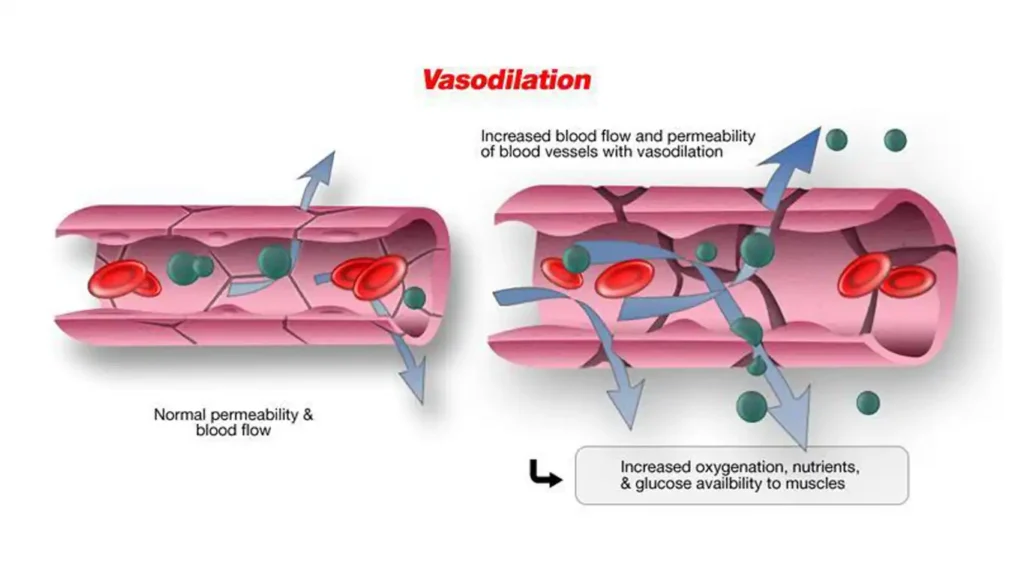
Now we know better. Nitric oxide is arguably your body’s most important signaling molecule. It’s involved in virtually every organ system. Specifically, it’s produced by endothelial cells from L-arginine. Once produced, it triggers relaxation of smooth muscle cells, enables vasodilation, and increases blood flow. Moreover, it regulates blood pressure and prevents platelet aggregation and clot formation.
Here’s the fascinating part: NO has a half-life of just seconds. It’s produced on demand and can’t be stored. Therefore, your body must continuously generate it. When production fails, problems cascade rapidly throughout your entire vascular system.
The NO-cGMP cascade works like this: Nitric oxide binds to an enzyme called soluble guanylyl cyclase. This increases cGMP, a second messenger. Subsequently, cGMP relaxes smooth muscle, resulting in vasodilation and improved blood flow. This is exactly how drugs like Viagra work. They inhibit the breakdown of cGMP, prolonging the effects of whatever nitric oxide is still being produced.
But here’s the catch: If you’re not producing adequate nitric oxide in the first place, these drugs become less effective over time.
Two Pathways: Why Understanding This Matters
Your body has two distinct pathways for producing nitric oxide. Understanding both is crucial for erectile dysfunction and sexual health optimization.
The primary pathway involves converting L-arginine to NO through nitric oxide synthase (NOS) enzymes. This is a complex, five-electron oxidation process. Additionally, it requires multiple cofactors including FAD, FMN, BH4, and NADPH. Unfortunately, this pathway fails under oxidative stress or with aging.
The backup pathway uses dietary nitrates. These nitrates are reduced by bacteria in your mouth, converted to nitrite, then further reduced to NO. This is a simpler, one to two electron reduction process. Importantly, it’s not affected by age and works during hypoxia when the primary pathway fails.
This explains why some interventions work for some men but not others. If your endothelium is damaged, taking L-arginine supplementation won’t help much because you can’t convert it to NO efficiently. However, dietary nitrates can bypass this damaged pathway entirely.
Research published in the Journal of the American College of Cardiology examined the link between uric acid and vascular nitric oxide activity. The study found that elevated uric acid strongly correlates with reduced NO activity. In fact, uric acid was second only to age in predicting vascular dysfunction. Even more interesting, when researchers improved NO activity, uric acid levels decreased.
This suggests something profound: Uric acid and ED might both be markers of the same underlying nitric oxide deficiency.
How Erectile Dysfunction Predicts Your Cardiovascular Future
Let me share what the research reveals. A comprehensive review published in the Journal of Geriatric Cardiology examined nitric oxide production across the lifespan. The findings are sobering.
Nitric oxide production declines steadily with age. By age 40, significant NO deficiency is evident. Furthermore, there’s over 50% loss of endothelial function by age 60 to 70. Perhaps most dramatically, there’s a 75% loss of coronary NO production in 70 to 80 year olds compared to 20 year olds.
This decline affects far more than just erectile and cardiovascular function. It also impacts cognitive function, blood pressure regulation, and overall vascular health. Consequently, conditions linked to NO insufficiency include hypertension, atherosclerosis, thrombosis, Alzheimer’s disease, and erectile dysfunction.
Here’s the timeline that should concern you: Endothelial dysfunction begins silently, often in your 30s or 40s. Next, erectile dysfunction symptoms appear. Then, 3 to 5 years later, potential cardiac events occur. This represents a critical window of opportunity for intervention.
Are you paying attention to what your body is telling you?
📈 Pro Tip: Track more than just erectile function. Monitor your blood pressure, fasting glucose, and inflammatory markers like hsCRP. These indirect markers of endothelial dysfunction can help you catch problems early.
Why Nitric Oxide Production Fails
Multiple factors conspire to destroy your nitric oxide production capacity. Understanding these helps you know what to fix.
Aging is inevitable. There’s progressive decline in NOS enzyme dysfunction. Additionally, there’s reduced expression of endothelial NOS (eNOS). Increased oxidative stress oxidizes critical cofactors. Furthermore, upregulation of arginase degrades L-arginine before it can be converted to NO. Consequently, you can lose 50 to 75% of your NO production capacity.
Metabolic factors accelerate this decline. Insulin resistance erectile dysfunction and diabetes create a particularly damaging combination. High blood sugar directly damages the endothelium. Moreover, it creates oxidative stress that causes NOS enzyme dysfunction, specifically what researchers call “NOS uncoupling.” Instead of producing beneficial NO, the enzyme starts producing damaging superoxide.
Dietary and lifestyle factors compound the problem. A poor diet lacking nitrate-rich foods deprives you of the backup pathway. A sedentary lifestyle fails to stimulate the beneficial shear stress that upregulates eNOS. Smoking is a major endothelial toxin. Chronic stress and obesity drive inflammation that further damages blood vessel health.
The result is a vicious cycle: Nitric oxide deficiency leads to endothelial dysfunction. Endothelial dysfunction leads to less NO production. This creates a feed-forward cycle of decline that accelerates both cardiovascular disease and erectile dysfunction.
Can you see how interconnected these factors are?
The Five Pillars of Nitric Oxide Restoration
Based on extensive research and clinical evidence, I’ve identified five key pillars for restoring nitric oxide homeostasis. These work synergistically to address the root causes of vascular health decline.

Pillar 1: Dietary Nitrate Supplementation
This is your most powerful tool. Dietary nitrates provide a backup NO production pathway that’s not dependent on NOS enzymes. Therefore, it works even with endothelial dysfunction. Additionally, it bypasses age-related decline in the primary pathway.
The best sources include: Arugula, spinach, and kale are excellent. Beets and beet juice for ED are particularly concentrated sources. Celery and fermented vegetables also contribute meaningful amounts.
Research demonstrates that dietary nitrate reduces blood pressure in healthy volunteers. Furthermore, it improves endothelial function and protects against ischemia-reperfusion injury. It also inhibits platelet aggregation and increases cerebral blood flow.
One important consideration: If you’re taking proton pump inhibitors, you may have reduced stomach acid. This can impair the conversion of nitrate to nitrite. Consequently, you might need higher doses of dietary nitrates to achieve the same effect.
Pillar 2: Addressing Uric Acid and ED
High uric acid impairs NO bioavailability. Moreover, it may indicate xanthine oxidase dysfunction, an enzyme involved in both uric acid production and nitrite reduction. Additionally, elevated uric acid is associated with metabolic syndrome ED.
Strategies to reduce uric acid include: Reduce fructose intake, which is a major driver of uric acid production. Limit purine-rich foods if your levels are elevated. Increase cherry consumption, which has been shown to lower uric acid. Stay well hydrated to support kidney function. Finally, consider vitamin C supplementation, which increases uric acid excretion.
Pillar 3: Antioxidant Support
Oxidative stress and sexual health are intimately connected. Oxidative stress destroys nitric oxide almost instantly. Furthermore, it oxidizes critical cofactors, especially BH4. This causes NOS uncoupling, where the enzyme produces harmful superoxide instead of beneficial NO. This becomes particularly important after age 60.
Key antioxidants include: Vitamin C, which has been shown to restore NO availability in older adults. Vitamin E works synergistically with vitamin C. Polyphenols from berries and dark chocolate provide potent protection. Alpha-lipoic acid and Coenzyme Q10 support mitochondrial function and reduce oxidative stress.
Research published in Hypertension demonstrated that vitamin C restored NO availability in adults over 60. However, it showed no benefit in young, healthy individuals who don’t have significant oxidative stress. This illustrates why age-appropriate interventions matter.
🗣️ Pro Tip: Don’t waste money on antioxidants if you’re young and healthy. However, if you’re over 60 or have metabolic dysfunction, antioxidant support becomes crucial for maintaining nitric oxide production.
Pillar 4: Exercise and Physical Activity
Exercise is perhaps your most powerful intervention for circulation and erection quality. It increases shear stress on the endothelium, which upregulates eNOS expression. Additionally, it improves endothelial function directly. Moreover, it enhances NO bioavailability and creates a positive feedback loop.

Effective types of exercise include: Aerobic exercise like walking, jogging, and cycling. Resistance training builds metabolic health. High-intensity interval training may provide unique benefits. Importantly, even mild activity is beneficial if you’re currently sedentary.
The evidence is clear. Exercise maintains NO production with aging. Furthermore, it improves flow-mediated dilation measurably. It reduces cardiovascular risk factors and has been shown to improve erectile function directly.
The prescription is simple: 30 to 45 minutes most days. Mix aerobic and resistance training. Moderate intensity is effective. Most importantly, consistency matters more than intensity.
Pillar 5: Cofactor Optimization
L-arginine supplementation remains controversial. While it’s the building block for NO synthesis, clinical trials have been largely disappointing. The reason? Patients with endothelial dysfunction can’t convert it to NO efficiently. Furthermore, some studies suggest it may increase mortality post-heart attack.
However, critical cofactors are essential: Tetrahydrobiopterin (BH4) is often the limiting factor in NO production. Folate and B vitamins support the methylation pathways. Magnesium is required for NOS enzyme function. Zinc supports multiple aspects of sexual health optimization. Together, these prevent NOS uncoupling and maintain enzyme function.
Why Generic Advice Often Fails
I’ve seen countless men frustrated because standard advice doesn’t work for them. Understanding why helps you avoid wasting time and money.
The L-arginine paradox is a perfect example. Theoretically, it makes perfect sense. L-arginine is the substrate for NO production, so supplementing should increase NO. However, clinical trials have been disappointing. Why? Because if your endothelium is damaged, you lack the functional machinery to convert L-arginine to NO. It’s like pouring gasoline into a car with a broken engine.
Age matters tremendously. In young, healthy individuals, the L-arginine pathway works fine. However, in older adults over 40, there’s progressive endothelial dysfunction. Therefore, they need alternative pathways like the nitrate-nitrite-NO route. Similarly, antioxidants only help those with oxidative stress, not those with healthy baseline function.
Individual variability is significant. Genetic factors affect NOS enzyme function. Different people have different degrees of endothelial damage. Oxidative stress levels vary widely. Additionally, the presence of other conditions like diabetes or hypertension changes everything. Consequently, you need a personalized approach rather than one-size-fits-all recommendations.
Erectile Dysfunction as Part of Metabolic Syndrome
Erectile dysfunction rarely occurs in isolation. Instead, it often clusters with other components of metabolic syndrome ED, including abdominal obesity, high blood pressure, insulin resistance, and dyslipidemia. All of these conditions are linked to endothelial dysfunction.
Here’s what matters: Addressing the root cause helps all these conditions simultaneously. When you restore nitric oxide production and improve vascular health, you’re not just treating erectile dysfunction. You’re also improving metabolic health, reducing cardiovascular risk, and potentially preventing cognitive decline.
The cardiovascular risk timeline looks like this. First, endothelial dysfunction begins silently. Next, erectile dysfunction symptoms appear as an early warning. Then, 3 to 5 years later, potential cardiac events occur. This window of opportunity is your chance to intervene before irreversible damage occurs.
Beyond cardiovascular disease warning signs, NO insufficiency contributes to cognitive decline and Alzheimer’s disease. It drives hypertension and peripheral artery disease. It affects kidney function. All of these conditions share common NO insufficiency as a root cause.
Chronic inflammation plays a crucial role. It damages the endothelium directly. Furthermore, it reduces NO bioavailability by increasing oxidative stress. Therefore, anti-inflammatory strategies complement NO restoration efforts.
What else might be affected by the same vascular dysfunction causing your erectile difficulties?
How to Monitor Your Progress
While flow-mediated dilation (FMD) is the gold standard for measuring endothelial function, it’s not readily available in most clinical settings. However, several indirect markers can help you track improvements.
Practical monitoring includes: Uric acid levels provide insight into metabolic health and NO status. High-sensitivity C-reactive protein (hsCRP) measures inflammation. Fasting insulin reveals insulin resistance. Blood pressure response to interventions is easily trackable. Finally, erectile function itself serves as a real-time biomarker.
Future possibilities are exciting. Point-of-care nitric oxide testing is being developed. Saliva-based biomarkers may provide easy assessment. Better integration into routine screening would catch problems earlier. Early detection before clinical disease becomes symptomatic is the goal.
Creating Your Personal Restoration Plan
Let me walk you through a systematic approach to restoring vascular health and addressing natural ED remedies.
Start with assessment. Evaluate your current symptoms, including erectile dysfunction, cardiovascular risk factors, and overall energy levels. Get lab work done, including uric acid, fasting glucose, lipid panel, and inflammatory markers. Honestly evaluate your lifestyle, including diet quality, exercise frequency, stress levels, and sleep quality.
Implement foundational changes. Increase dietary nitrates immediately with a daily green smoothie or beet juice for ED. Add regular exercise, aiming for 30 to 45 minutes most days. Implement stress management techniques like meditation or deep breathing. Optimize sleep, targeting 7 to 9 hours nightly. If you smoke, eliminate it completely as it’s devastating to endothelial function.
Add targeted supplementation. Incorporate high-nitrate foods or quality supplements. Consider antioxidant support, especially vitamin C if you’re over 60. Support cofactors if testing reveals deficiencies. Pay attention to timing and dosing for maximum effectiveness.
Set realistic expectations. Some improvements may appear within weeks, particularly in energy and morning erections. Significant changes typically take 2 to 3 months. Continued improvement unfolds over 6 to 12 months. Most importantly, this requires consistent lifestyle changes, not quick fixes.
When Medical Attention is Critical
While natural interventions are powerful, certain situations require immediate medical evaluation.
Warning signs requiring urgent attention include: Sudden onset erectile dysfunction, particularly if accompanied by other symptoms. Erectile difficulties with chest pain, shortness of breath, or unusual fatigue. Associated symptoms of heart disease like arm pain or jaw pain. Severe erectile dysfunction not responding to any interventions.
Cardiovascular screening is essential. Remember, erectile dysfunction is itself a cardiovascular risk factor. Your situation may warrant a stress test, comprehensive lipid panel, or other screening. This represents an opportunity for early intervention that could prevent future cardiac events.
Medication considerations matter. Some drugs impair NO production, including proton pump inhibitors and antacids. Blood pressure medications may affect erectile function as a side effect. Statins can deplete CoQ10, requiring supplementation. Therefore, review all medications with your healthcare provider.
Understanding Pharmaceutical Options
PDE5 inhibitors like Viagra have revolutionized treatment, but understanding their limitations is important.
These drugs work by blocking the breakdown of cGMP. They prolong the effects of whatever nitric oxide you’re still producing. However, they don’t address underlying dysfunction. Essentially, they treat the symptom, not the cause.
Key limitations include: They require some NO production to work effectively. They don’t improve cardiovascular health or prevent disease progression. Side effects are possible, including headaches, flushing, and vision changes. Over time, they may become less effective as endothelial function continues to decline.
A complementary approach makes sense. You can use medications while simultaneously addressing root causes through lifestyle interventions. Many men find they need less medication over time as vascular health improves. These approaches are not mutually exclusive with natural ED remedies. However, always discuss this strategy with your physician.
The Evidence for Natural Intervention
The research supporting natural interventions is substantial and growing.
Clinical trials demonstrate that dietary nitrate lowers blood pressure consistently. Furthermore, it improves flow-mediated dilation in multiple studies. It reduces cardiovascular events in population studies. Additionally, it protects against ischemia-reperfusion injury. Commercial NO-promoting supplements have shown triglyceride reduction in controlled trials.
Population studies provide additional support. The Mediterranean diet, naturally high in dietary nitrates, correlates with lower cardiovascular disease. Exercise consistently improves endothelial function across all age groups. Lifestyle interventions prove effective for erectile dysfunction when properly implemented.
The mechanisms have been validated. The nitrate-nitrite-NO pathway has been confirmed in humans through multiple research methodologies. Antioxidants restore NO availability in older adults with oxidative stress. Exercise upregulates eNOS through well-understood pathways. Multi-modal approaches demonstrate the most effectiveness.
Common Mistakes That Undermine Results
After years of investigating sexual health optimization, I’ve identified patterns in what doesn’t work.
Expecting overnight results is unrealistic. Endothelial repair takes time, typically months. Consistent effort is required daily. Benefits accumulate gradually over months. Therefore, patience is essential for success.
Single-solution thinking is misguided. There’s no magic bullet for vascular health. You need a comprehensive approach addressing multiple pathways. Diet, exercise, and supplements work synergistically. Therefore, you must address multiple pathways simultaneously.
Ignoring underlying conditions is dangerous. Diabetes must be controlled or interventions won’t work. Hypertension needs active management. Metabolic syndrome requires comprehensive attention. Importantly, you can’t supplement your way out of poor metabolic health without dietary and lifestyle changes.
Quality and dosing issues matter. Nitrate content varies significantly in foods based on growing conditions. Organic beets may contain more nitrates than conventional. Timing of intake affects bioavailability. Finally, individual response varies based on genetics and health status.
The Future of Vascular Health
Emerging research is opening exciting possibilities for nitric oxide-based therapeutics.
Better delivery systems for nitrite and nitrate are being developed. Targeted NO donors that release NO specifically where needed show promise. Improved diagnostic tools will make tracking easier. Personalized medicine approaches will match interventions to individual genetics and metabolism.
Potential breakthroughs on the horizon include: Novel NO-generating compounds that bypass damaged pathways. Gene therapy approaches to restore NOS enzyme function. Stem cell therapies to regenerate damaged endothelium. Combination therapies that address multiple pathways simultaneously.
Integration into standard care is beginning. Some forward-thinking clinicians are including NO status in routine blood work. Earlier screening for endothelial dysfunction is catching problems sooner. The medical paradigm is shifting from reactive to preventive. Focus is moving toward addressing root causes rather than managing symptoms.
Taking Control of Your Vascular Health
After years of investigating this connection, here’s what I know for certain. Erectile dysfunction is vascular disease, and you must treat it as such. Nitric oxide is absolutely central to cardiovascular health. Natural interventions can restore NO homeostasis effectively. Prevention is far easier than reversal once significant damage occurs. Most importantly, you have more control over this than you’ve been led to believe.
The bigger picture is profound. Erectile dysfunction is an opportunity for intervention, not just a problem to medicate. This early warning allows prevention of serious cardiac events. The same strategies that improve erectile function benefit your entire body. Your brain, heart, and sexual health are intimately interconnected through vascular function.
Here are your action steps: Start with diet by adding nitrate-rich foods daily, particularly leafy greens and beets. Move your body with regular exercise, even if you start with just walking. Consider targeted supplementation based on your age and health status. Get appropriate cardiovascular screening to establish your baseline. Work collaboratively with a healthcare provider who understands functional medicine. Be consistent and patient, as results compound over time. Finally, monitor your progress using both subjective and objective markers.
My final thoughts after years in this field: Your body has a remarkable healing capacity when given the right support. Addressing root causes yields systemic benefits that extend far beyond sexual function. It’s never too late to start, though earlier intervention is definitely better. Small, consistent changes compound over time into significant improvements. Therefore, invest in your vascular health now. Your future self will thank you.
The connection between keto diet erectile function improvement and intermittent fasting for ED optimization represents emerging areas of research. These metabolic interventions may enhance nitric oxide production by reducing insulin resistance and inflammation.
Remember, every man reading this has the power to change his cardiovascular trajectory. The question isn’t whether you can improve your vascular health. The question is whether you’ll take action today or wait for a more serious wake-up call tomorrow.
What will you choose?
Resources and References
Key Studies Cited:
- Uric acid and vascular NO activity (Journal of the American College of Cardiology, 2001)
- Endothelial function in ED patients (International Journal of Impotence Research, 2005)
- Nitric oxide and geriatrics review (Journal of Geriatric Cardiology, 2012)
Additional Resources: For more information on nitrate-rich foods and vascular health optimization, consult with a functional medicine practitioner who specializes in cardiovascular disease prevention and sexual health optimization.

 By
By
 By
By

 b"asta binance h"anvisningskod says:

 By
By


