


As a urologist, I have sat across from countless men who have just received a life-changing diagnosis. The words “prostate cancer” land heavy in the room. Immediately, the conversation shifts to survival. However, once the initial shock fades, a new worry sets in. It is the fear of losing yourself. For decades, robotic prostate surgery has been the gold standard for removing cancer. It is effective, and it saves lives. Yet, it often demands a high price in terms of your urinary control and sexual function.
In my practice at NYU Langone, my goal is not just to treat a disease. My goal is to restore your dignity. I specialize in reconstructive urology because I believe you should not have to sacrifice your quality of life to be cancer-free. This is why I am closely watching the WATER IV clinical trial. This study is exploring a new frontier. It asks a critical question: Can we cure prostate cancer using high-pressure water jets—Aquablation therapy—while sparing the nerves that make you a man?
In this article, I will guide you through this groundbreaking study. We will look at how it compares to traditional methods and what it could mean for your future.
Introduction: The Search for a Better Balance in Robotic Prostate Surgery
For a long time, men with localized prostate cancer have faced a difficult trade-off. On one hand, you have the need to remove the cancer completely. On the other hand, you have the desire to live a normal life afterwards.

Current treatments, like radical prostatectomy, are very good at cancer control. However, the prostate is located in a very crowded part of your body. It sits right next to the nerves that control erections and the muscles that control urine flow. Even with the most skilled hands and advanced robots, damage can happen.
Consequently, many men suffer from urinary continence issues or erectile dysfunction after surgery. This can lead to depression, relationship strain, and a loss of confidence.
| Feature | Robotic Prostate Surgery (Radical Prostatectomy) | Aquablation Therapy (WATER IV Trial) |
| How it Works | Surgical removal of the entire prostate gland using robotic arms and instruments. | Robotic-controlled, high-pressure water jet removes prostate tissue from the inside out. |
| Heat / Energy | Uses thermal energy (heat) to cut tissue and stop bleeding, which can risk damaging nearby nerves. | Heat-Free. Uses room-temperature water, eliminating the risk of thermal damage to nerves. |
| Goal | Total removal of cancer (Curative). | Total removal of cancer while preserving the prostate capsule and nerves. |
| Sexual Function | Risk of erectile dysfunction due to potential nerve damage (neurovascular bundles). | Designed to spare the nerves essential for erections, aiming for superior preservation of potency. |
| Urinary Control | Risk of urinary incontinence (leakage); recovery of control can take months. | Aiming for significantly lower risk of incontinence and faster return to normal bladder function. |
| Future Options | Surgery creates scar tissue, making future treatments (if cancer returns) more difficult/risky. | Does not “burn bridges.” If cancer returns, patients can still undergo surgery or radiation later. |
| Recovery | Major surgery recovery; catheter typically required for 7-14 days. | Minimally invasive; typically shorter catheter time and faster return to daily activities. |
| Availability | Widely available as the standard of care. | Currently available for cancer only through the WATER IV Clinical Trial. |
A New Hope with WATER IV
The WATER IV (Water for Prostate Cancer) trial is trying to change this story. It is a major study led by top experts like Dr. Garrett Pohlman and Dr. Inderbir Gill of USC. They are investigating if Aquablation therapy can offer a “home run.” A home run, in this case, means excellent cancer control with significantly fewer side effects.
Have you ever felt like you had to choose between your physical health and your personal happiness?
This trial aims to remove that choice. It strives to give you both.
What is Aquablation Therapy?
You might be wondering what Aquablation actually is. Interestingly, this is not a brand-new technology. In fact, it is already a proven, standard treatment for Benign Prostatic Hyperplasia (BPH), which is a non-cancerous enlargement of the prostate.

I have used various minimally invasive techniques to treat BPH, and Aquablation stands out. Now, researchers are adapting this successful tool to fight cancer.
The Technology
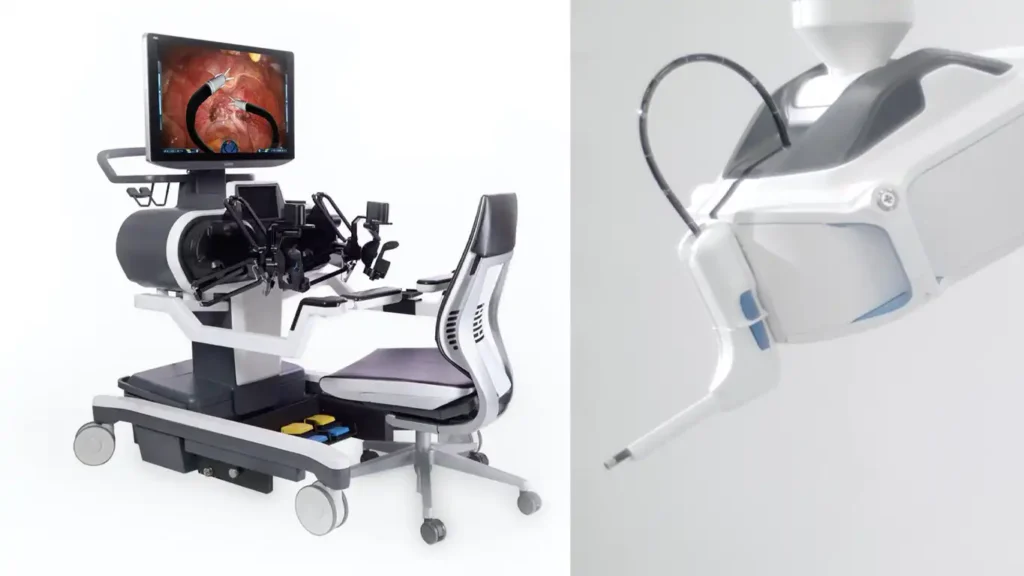
Aquablation uses a robotic-controlled, high-pressure water jet. Imagine a beam of water that is as sharp as a scalpel but much more selective. The surgeon maps your prostate using ultrasound imaging. Then, the robot executes the plan.
The water jet removes the prostate tissue from the inside out. It hollows out the gland. Because it uses water, there is no heat. This is a crucial detail.
The Advantage of “No Heat”
In traditional surgery or other energy-based therapies, heat is often used to cut tissue or stop bleeding. Unfortunately, heat can travel. If it travels to the delicate nerves just millimeters away, it can cause permanent damage.
Aquablation is “heat-free.” This creates a safety buffer. It allows us to target the cancer aggressively while sparing the prostate capsule and the nerves attached to it.
Pro Tip 1: The absence of heat in Aquablation is a game-changer. It significantly lowers the risk of injuring the neurovascular bundles, which are essential for maintaining your sexual potency. 🧊
Understanding the WATER IV Clinical Trial
Clinical trials are how we move medicine forward. The WATER IV trial is a prospective randomized trial. This is the highest standard of scientific study. It is the first trial in the US to directly compare a novel technology (Aquablation) against the established robotic prostate surgery.
The Goal
The goal is simple but ambitious. The study wants to prove that Aquablation is just as safe and effective at controlling cancer as a radical prostatectomy. Furthermore, it aims to show that Aquablation leaves men with better function.
The Randomization Process
Participating in a trial can be scary because of the unknown. However, the design of this study is very patient-friendly. It uses a 3-to-1 randomization ratio.
This means that for every four men who join the study:
- Three men will receive Aquablation therapy.
- One man will receive the standard surgical removal.
This increases your chances of receiving the new therapy. However, even if you are in the surgical group, you are receiving world-class care from top experts.
Does the idea of a randomized trial make you feel hopeful about accessing new technology, or hesitant about the lack of control?
Who is a Candidate for the WATER IV Study?
Not every man with prostate cancer is a good fit for this specific trial. Science requires strict rules to ensure the results are accurate. If you are considering this, you need to meet specific criteria.
Clinical Requirements for Participation
First, you must be 45 years or older. The trial focuses on men with “organ-confined” cancer. This means the cancer has not spread outside the prostate capsule.
Specifically, they are looking for:
- Localized prostate cancer that is Low to Intermediate Risk.
- A Grade Group of 1, 2, or specific low-intensity Grade 3.
- PSA levels of 20 or less.
- A clinical stage of T2C or less.
- A prostate size of at least 25 grams.
You are likely excluded if you have had prior radiation, hormone therapy, or if the cancer has spread (metastasis).
The Patient’s Decision-Making Bar for Robotic Prostate Surgery
This is perhaps the most important part of the eligibility. To join the study, you must have already consulted with a urologist. You must have already decided that robotic prostate surgery (radical prostatectomy) is your chosen path.
Why is this necessary?
The study is for men who have looked at their options—active surveillance, radiation, or surgery—and decided that the cancer needs to be removed. It is for men who are not comfortable just watching the cancer (surveillance) but are deeply worried about the side effects of major surgery.
If you are in that middle ground—wanting action but fearing the cost to your lifestyle—this trial is designed for you.
Pro Tip 2: Before applying for any trial, have an honest conversation with your local urologist. They can help you understand your pathology report to see if you even qualify for the baseline requirements. 🩺
What Participants Can Expect
Let’s walk through what happens if you join the WATER IV trial. It starts with an initial assessment. You will have detailed discussions about the pros and cons of both treatment arms. Informed consent is key. You need to know exactly what you are signing up for.
The Procedure
Whether you are randomized to the Aquablation group or the surgery group, the procedure is performed under anesthesia.
- If you get Surgery: You undergo a standard, high-quality radical prostatectomy. The prostate is removed.
- If you get Aquablation: The surgeon uses the robotic water jet to ablate (remove) the prostate tissue.
Long-Term Monitoring After Robotic Prostate Surgery
The follow-up care in this trial is rigorous. In standard practice, follow-up can sometimes be sporadic. In this trial, you are monitored closely for years. The researchers are looking at a “primary endpoint” that spans 10 years.
They are not just checking your PSA levels to ensure the cancer is gone. They are measuring your “morbidity.” This is a medical term for side effects. They are tracking:
- Urinary Continence: Can you hold your bladder? Do you need pads?
- Sexual Potency: Can you achieve and maintain an erection?
By comparing these outcomes directly to robotic prostate surgery, the study hopes to prove that Aquablation offers a superior quality of life.
What does “quality of life” really mean to you in your daily routine? Is it playing sports without worry, or intimate moments with your partner?
Why This Trial is a “Home Run” for Quality of Life
In my career, I have seen how deeply erectile dysfunction affects men. It is not just physical; it is psychological. It affects your identity.

This trial is exciting because it aims for the “Holy Grail” of urology: Cancer control without the collateral damage.
Preserving Function
The primary hope is that by peeling the prostate like an orange—removing the fruit (cancer) but leaving the peel (capsule)—the nerves remain untouched. This could mean a recovery time measured in weeks, not months or years.
Redoing Treatment: Burning Bridges?
Here is another massive advantage of Aquablation. It does not “burn bridges.”
If you choose radiation therapy first, it changes the tissue. If the cancer comes back, performing surgery afterwards is incredibly difficult and risky. The tissue becomes scarred and “sticky.”
However, if you have Aquablation and, essentially, the cancer persists or returns, you can still have surgery later. You can still have radiation later. You have not closed the door on other options. This flexibility is vital for long-term peace of mind.
Pro Tip 3: Think of your treatment plan like a game of chess. You always want to make a move that leaves your best pieces on the board for later. Aquablation keeps your future options open. ♟️
Morbidity Data
The trial is designed to collect hard data. For years, we have relied on anecdotal evidence. This trial will give us the numbers. It aims to prove that the months of health and function you gain with Aquablation are significantly higher than with traditional methods.
How much is your physical independence worth to you over the next decade?
How to Get Involved
If reading this has sparked your interest, taking the next step is straightforward. However, it requires action on your part.
Next Steps
First, verify your diagnosis. Ensure you fit the age and risk profile. Then, speak with your doctor. You can also look for the study centers. Because this is a major trial, it is likely available at large academic medical centers across the United States.
Resources
For specific details, you should visit the trial website at water4pca.com. There, you can find contact emails for the study team and locations of participating hospitals.
Timing
The study is actively enrolling right now. However, clinical trials have windows. They need a certain number of patients, and then they close. Initial data is expected within the next 12 months, so the time to inquire is now.
Are you ready to take an active role in defining your treatment path, rather than just accepting the standard menu?
Conclusion: A New Standard of Care?
We are potentially standing on the brink of a new era in prostate cancer care. For too long, robotic prostate surgery has been the only reliable path for removal. It has served us well, but technology evolves.
If the WATER IV trial is successful, Aquablation could become the new standard. It offers the promise of curing cancer while fully protecting a man’s lifestyle.
As a physician, nothing makes me happier than seeing a patient who is not just “cancer-free,” but who is also happy, active, and whole. Clinical trials like this are how we get there. They are the engine of hope.
If you are facing this diagnosis, know that you have options. Do your research, ask tough questions, and prioritize your wellbeing. You are worth it.

 By
By
 By
By


 By
By


