

By Shervin Badkhshan, MD
As a reconstructive urologist, I spend my days helping men restore function and confidence after life-changing health challenges. Whether I am treating erectile dysfunction (ED), performing penile reconstruction, or managing urinary incontinence, the goal is always the same: to improve quality of life. Often, patients come to me focused entirely on the mechanics of their pelvis. They want to know about implants, injections, or surgeries. But I often surprise them by starting the conversation somewhere else entirely—with their breath.
Understanding how to improve lung health is one of the most overlooked strategies for enhancing sexual performance and overall vitality. Your respiratory system is the engine that drives your entire vascular network. The oxygen you breathe is the fuel that your blood carries to every organ, including the penis. Without healthy lungs, your blood cannot deliver the oxygen required for strong erections or the stamina needed for intimacy.

In my years of practice, I have seen a clear connection. Men who prioritize respiratory health for men tend to heal faster from surgery and report better sexual function. Conversely, those with compromised lung function often struggle with circulation issues that exacerbate conditions like ED. Today, I want to guide you through the science of your lungs, how they protect themselves, and practical “food as medicine” steps you can take to strengthen this vital system.
Breathing Better: How Food Can Protect and Repair Your Lungs
When you think about your lungs, you might just think of the simple act of inhaling and exhaling. But the respiratory tract is a complex highway. It starts at your nose and mouth, travels down your throat, branches into the bronchial tubes, and ends deep in the spongy tissue of your lungs. This entire system is your body’s primary interface with the outside world. Every breath you take brings in oxygen, but it also brings in dust, fumes, bacteria, and viruses.
We need to shift our perspective. Lung health isn’t just about avoiding pneumonia or lung cancer. It is about actively protecting and fortifying these organs so they can support your body’s demands—including the physical demands of sex. How to improve lung health starts with realizing that your lungs are not passive sacs of air. They are dynamic, living tissues that need the right fuel to defend themselves.
As a physician, I see the lungs as a gateway. If this gateway is inflamed or damaged, the downstream effects are felt everywhere. Inflammation in the lungs can trigger systemic inflammation, which is a known enemy of vascular health and vascular health and ED. By treating your lungs with the same care you treat your heart or your muscles, you are investing in your long-term sexual wellness.
Pro Tip: 💡 Next time you feel winded climbing stairs, don’t just blame your age. It might be a sign your lungs need more support. Start by noticing if you are a “mouth breather” or a “nose breather”—nasal breathing filters air better and boosts nitric oxide production!
The 5 Hardwired Defense Systems of Your Lungs
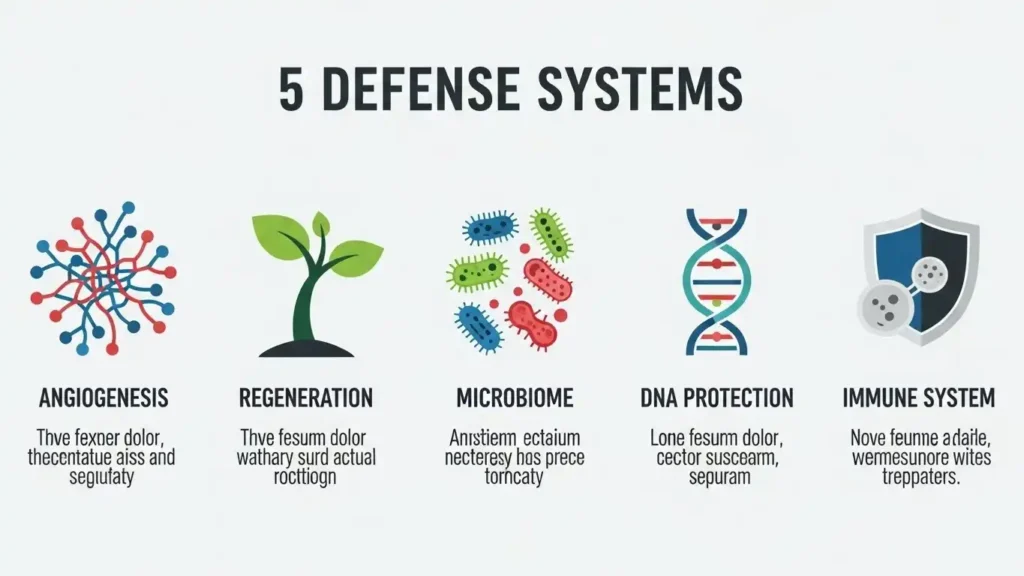
Your body is incredibly resilient. It is designed to survive. In the same way that I use advanced surgical techniques to repair the urinary tract, your body has its own built-in repair crews. Dr. William Li, a colleague in the medical field, often talks about the five health defense systems. These apply directly to how to improve lung health and, by extension, your sexual vitality.
Angiogenesis
This is the process by which your body grows and maintains blood vessels. Your body contains 60,000 miles of blood vessels. In the lungs, a dense network of capillaries is essential for gas exchange. If these vessels are healthy, oxygen flows freely into your bloodstream. If they are damaged, your entire body suffers from a lack of oxygen. This is critical because blood flow and sexual function are inextricably linked. The same vessel health that allows your lungs to work is what allows for an erection.
Regeneration
Did you know your lungs have stem cells? These are special cells that can repair damage. We breathe in “crap” every day—paint fumes, car exhaust, cleaning chemicals like acetone. This damage kills lung cells. Fortunately, your lung’s regenerative system can replace these dead cells with new, healthy ones. Supporting this regeneration is key to maintaining stamina as you age.
The Microbiome
We usually talk about the microbiome in the gut, but we are learning that the lungs have their own microbiome too. Furthermore, there is a strong connection between your gut health and your lung health. A healthy gut microbiome helps lower inflammation throughout the body, including in the lungs. Chronic inflammation is a major contributor to both respiratory disease and sexual dysfunction.
DNA Protection
Your DNA is your genetic blueprint. It instructs your cells on how to make the proteins that keep you alive. But your DNA is under constant attack from UV radiation, chemicals, and aging. Your body has mechanisms to fix mutations and protect “telomeres”—the protective caps at the end of your chromosomes. Protecting your DNA slows down cellular aging, keeping your lung tissue youthful and elastic.
The Immune System
This is your internal security force. In the lungs, the immune system acts like a cleanup crew. It mounts inflammation to fight off infections from bacteria, viruses, or fungi. However, it also knows when to turn off the inflammation. Chronic inflammation happens when this switch gets stuck. Managing this balance is crucial because systemic inflammation damages blood vessels, leading to issues like lifestyle medicine for men seeks to prevent.
Pro Tip: 💡 Think of your immune system like a bouncer at a club. You want it to stop the bad guys (viruses) but not start a fight with everyone (chronic inflammation). Eating anti-inflammatory foods helps the bouncer stay calm.
Fascinating Facts: Your Lungs by the Numbers
Sometimes, to truly appreciate an organ, you have to look at the sheer scale of what it does. As a surgeon, I am constantly in awe of human anatomy. The lungs are no exception.

The Tennis Court Analogy
Your lungs are filled with tiny air sacs called alveoli. These are where the magic happens—oxygen enters the blood, and carbon dioxide leaves. You have between 300 and 500 million of these sacs. If you were to flatten them all out, they would cover a surface area of about 70 square meters. That is roughly the size of a tennis court! Imagine that vast surface area inside your chest, working tirelessly every second to keep you alive.
The Daily Rhythm
You take approximately 22,000 breaths every single day. That is 22,000 times your chest expands and contracts, and 22,000 opportunities for gas exchange. This relentless rhythm highlights why how to improve lung health is a daily commitment, not a one-time fix.
Resilience and Redundancy
The body is built with backups. You can actually survive and function with just one lung. This procedure, called a pneumectomy, is sometimes necessary for cancer treatment. While you wouldn’t be running marathons, the fact that one lung can take over the job of two is a testament to the organ’s power. Furthermore, if you remove a small tip of the lung, the stem cells can regenerate that tissue. This regenerative potential is what we want to harness through diet and lifestyle.
Hidden Dangers: What is Damaging Your Lungs Right Now?
To understand how to improve lung health, you first need to know what is harming it. We often think of lungs as protected inside the ribcage, but they are constantly exposed to the outside world.
Air Pollution
We learned a valuable lesson during the pandemic lockdowns of 2020. When factories stopped and cars stayed in driveways, air quality improved dramatically in cities around the world. This proved just how much pollution we normally breathe. Fine particulate matter enters deep into the lungs, causing inflammation that can damage blood vessels—bad for your lungs, and bad for your erections.
Toxic Household Exposures
You might be safe from factory smog, but what about inside your home? Simple tasks can be toxic. Using harsh solvents for cleaning, painting a room without ventilation, or even removing fingernail polish exposes you to fumes like acetone. These chemicals can directly damage the delicate lining of your airways.
Particulates and Smoke
Wildfire smoke is becoming a common hazard, but even “cozy” sources like fireplaces and campfires release soot and ash. And that delicious smell from the barbecue grill? If you are the one standing over the smoke, you are breathing in carcinogens and particulates.
Lifestyle Habits
It goes without saying, but smoking is the number one enemy. Cigarettes, cigars, pipes, and yes—marijuana and vaping—all introduce heat and toxins into the lungs. This leads to conditions like emphysema and chronic bronchitis. From a urologist’s perspective, smoking is catastrophic for erectile function. It constricts blood vessels and damages the lining of the arteries. If you are asking how to improve lung health, quitting smoking is step zero.
Food Tip #1: The Power of Green Tea for Respiratory Relief
Now, let’s talk about solutions. One of the simplest, most effective ways to support your lungs is likely sitting in your kitchen cabinet right now.

Clinical Evidence
Green tea is a powerhouse. A massive study in Korea involving over 13,000 people found a striking correlation. Those who drank two or more cups of green tea a day were 50% less likely to develop chronic obstructive pulmonary disease (COPD) or emphysema. That is a significant reduction in risk for a very simple habit.
The Role of Polyphenols
The magic lies in the polyphenols, specifically a compound called EGCG. These are potent antioxidants that lower inflammation in the airways. Reduced inflammation means easier breathing and less damage to lung tissue. Some research even suggests these polyphenols can block cancer growth and stimulate lung regeneration.
Brewing Best Practices
How you drink it matters. I strongly recommend loose-leaf tea over tea bags. Why? A recent study suggested that a single plastic tea bag can shed billions of microplastic particles into your hot water. You don’t want to drink plastic while trying to detox your body.
Practical Tips:
- The “Secret Number”: Steep your loose-leaf tea for 3 to 5 minutes. This allows the maximum amount of polyphenols to be released into the water.
- Tea Types: If you find regular green tea bitter, try Jasmine tea. It is green tea scented with jasmine flowers, which is naturally relaxing. For a power boost, try Matcha. Because you consume the whole powdered leaf, you get a much higher dose of antioxidants and fiber.
Pro Tip: 💡 Swap your second morning coffee for a cup of Matcha. You get a gentler caffeine buzz without the jitters, plus a massive dose of lung-protecting antioxidants.
Understanding Lung Health Interventions
| Feature | Green Tea | Dietary Fiber | Dark Chocolate |
| Primary Benefit | Lowers inflammation, reduces COPD risk | Feeds gut microbiome, boosts immunity | Improves blood flow, aids regeneration |
| Key Compound | Polyphenols (EGCG) | Short Chain Fatty Acids (SCFAs) | Flavanoids (Proanthocyanidins) |
| Recommended Amount | 2+ cups daily | Daily intake (legumes, fruits) | Small amount (85% cocoa) |
| Best Form | Loose leaf or Matcha | Whole foods (beans, berries) | 85% Dark Chocolate bars |
Food Tip #2: High-Fiber Foods to Tame Lung Inflammation
You might wonder, what does fiber have to do with my lungs? The answer lies in the “gut-lung axis.”

Short Chain Fatty Acids (SCFAs)
When you eat dietary fiber, you aren’t just feeding yourself; you are feeding the trillions of bacteria in your gut. When these good bacteria digest fiber, they produce metabolites called Short Chain Fatty Acids (SCFAs). These SCFAs enter your bloodstream and travel to your lungs, where they have a powerful anti-inflammatory effect.
Research Insight
The data backs this up. A study of 1,921 adults in the US showed that those who ate the most fiber had significantly better lung function than those who ate the least. It is a clear case of lifestyle medicine for men in action—eating for your gut helps your chest.
Top Fiber Sources for Lungs
- Legumes: Lentils, chickpeas, and black beans are fiber champions. They are also staples of the Mediterranean diet, which is excellent for vascular health.
- Fruits: Raspberries pack the most fiber per cup among berries. Guavas and mangoes are also fantastic tropical options.
- Surprising Sources: Did you know avocados are high in fiber? So are white button mushrooms. Even popcorn is a whole grain loaded with fiber (as long as it isn’t drowning in movie theater butter).
Expert Commentary: The Rosemary Hack
Here is a trick I love. Take plain, air-popped popcorn and sprinkle it with finely ground rosemary. Rosemary contains rosmarinic acid, which improves brain health and mood. It turns a simple snack into a brain-boosting, lung-supporting treat.
Food Tip #3: Dark Chocolate—The Bitter-Sweet Protector
Yes, you read that right. Chocolate can be medicine, provided you choose the right kind.
Flavonoid Power
The cocoa bean is a plant, and like many plants, it is rich in phytonutrients. Dark chocolate is packed with flavonoids called proanthocyanidins. These compounds are incredible for how to improve lung health because they improve blood circulation. Better circulation improves gas exchange in the lungs and—crucially for my patients—improves blood flow to the penis. This is a tasty way to boost nitric oxide foods in your diet.
The 80/85% Rule
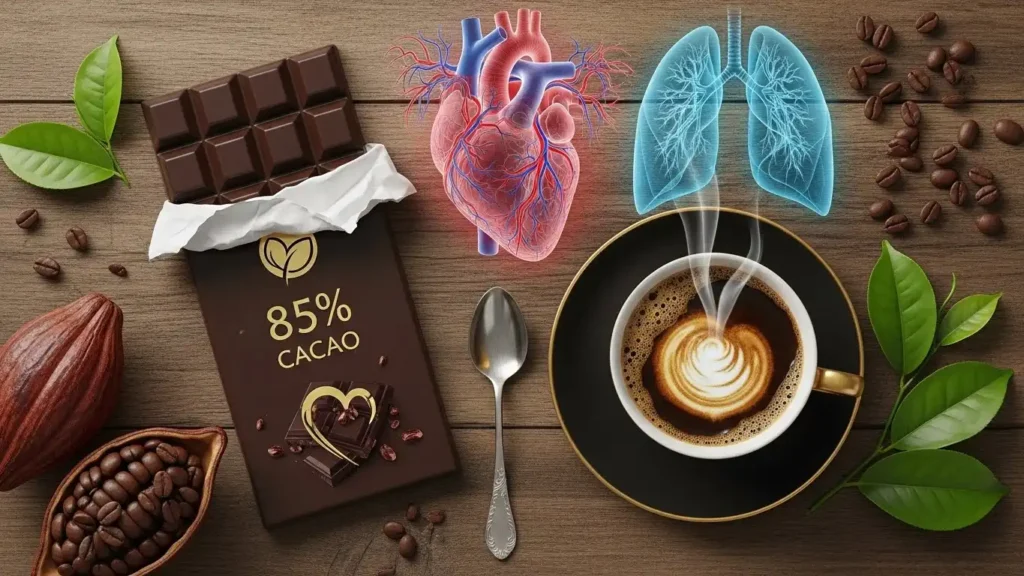
Milk chocolate is candy. It is full of sugar and dairy that dilute the benefits. To get the clinical benefits, you need to go dark. I recommend chocolate that is 85% cacao or higher. At this level, you get a significant dose of flavonoids and even a surprising amount of fiber (about 4 grams per serving).
Quality Control
Be a label detective. Chocolate is a processed food, so check for artificial preservatives or emulsifiers. Also, be aware that some cocoa can contain heavy metals like cadmium or lead due to the volcanic soils where they are grown. It is worth researching brands that test for these metals.
Practical Implication
Dark chocolate can be bitter. If you are not used to it, try the “Disassembled Mocha.” Take a small square of 85% dark chocolate and let it melt in your mouth while sipping your coffee. The coffee cuts the bitterness, and the flavors complement each other perfectly.
Taking Your First “Healthy” Breath
We have covered a lot of ground, from the tennis-court size of your lungs to the microscopic bacteria in your gut. The takeaway is simple: your body is an interconnected system. You cannot isolate your sexual health from your respiratory health.
If you are asking, “How does improving my lung health directly impact blood flow and erectile function?” the answer is clear. Healthy lungs oxygenate the blood more efficiently. They reduce systemic inflammation that damages blood vessels. They support the very vascular network that allows you to perform sexually.
Start small. You don’t need to overhaul your entire life overnight. Adopt the “Holy Trinity” of beverages: water, tea, and coffee. Swap a sugary snack for some berries or nuts. Try diaphragmatic breathing for performance to calm your nervous system before intimacy.
As a doctor, my best advice is to treat your body with compassion. Feed it well, protect it from toxins, and it will serve you well for years to come. Your journey to better sexual health doesn’t just start in the bedroom—it starts with your next breath.

 By
By
 By
By


 By
By


