

Estimated Reading Time: 12 minutes
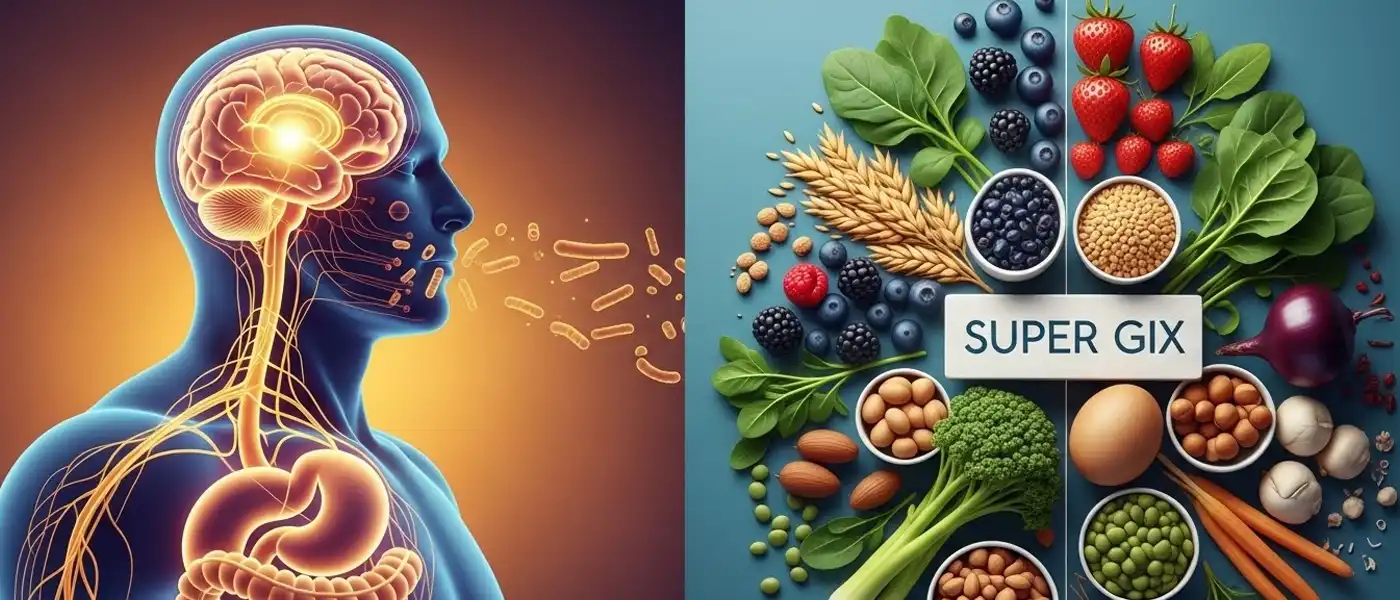
Picture this: You wake up anxious. Your stomach churns. By noon, brain fog rolls in like heavy clouds. Sound familiar? Here’s what most people don’t realize. Your gut and brain are having a constant conversation. Moreover, what you eat today directly shapes how you feel tomorrow.
This isn’t some wellness trend. It’s science. Furthermore, the Gut-Brain Axis Diet is revolutionizing how we approach mental health. I’ve spent decades reporting on women’s health. However, nothing has been as transformative as witnessing the gut-mood connection unfold. Let me share what I’ve learned.
The Shocking Truth About Women and Gut Health
Did you know that 75% of women suffer from gastrointestinal issues? Meanwhile, only 57% of men experience similar problems. That’s a massive gap. So why are women bearing this burden?
Enter Dr. Megan Rossi (The Gut Health Doctor). She’s a PhD researcher, clinician, and leading voice in gut health science. According to Dr. Rossi, we’re living in the “Wild West” of gut health. Consequently, misinformation runs rampant. Restrictive diets multiply like weeds. Additionally, generic probiotics flood the market without evidence.
Dr. Rossi’s mission? To cut through the noise. She empowers people with real science for IBS, SIBO, mental health, and hormonal balance. No fear-mongering. Just facts.
💡 Pro Tip: Before trying any gut health product, ask yourself: Is there clinical evidence for my specific issue? Most probiotics on the market are essentially expensive placebos for the average person.
Why Women’s Guts Are Different
The hormone factor is huge. Estrogen and progesterone don’t just affect your mood. They directly impact your gut. How? These hormones interact with receptors lining your digestive system. Consequently, they affect gut motility and sensitivity throughout your cycle.
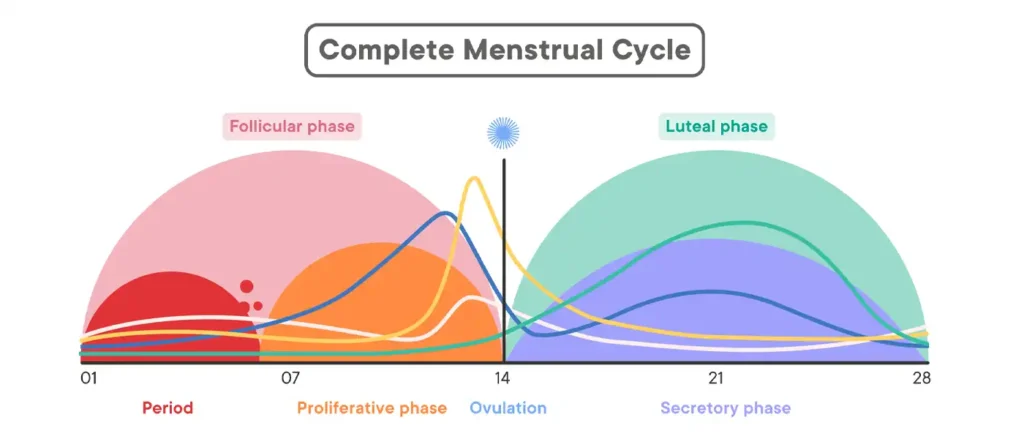
Here’s another key difference. Women generally have slower gastrointestinal transit times than men. This leads to more fermentation. Therefore, more bloating occurs. It’s not in your head. It’s biology.
Then there’s the stress component. Society expects women to multitask constantly. This chronic stress literally strangles the gut’s nerve supply. The result? The gut-brain axis goes haywire. Your digestive system can’t function properly when your nervous system is overwhelmed.
Which brings us to an important question: Can a Gut-Brain Axis Diet help even if stress is the main culprit?
IBS vs SIBO: Decoding Your Gut Symptoms
Let’s get clear on these conditions. Many people confuse them. However, they’re distinctly different.
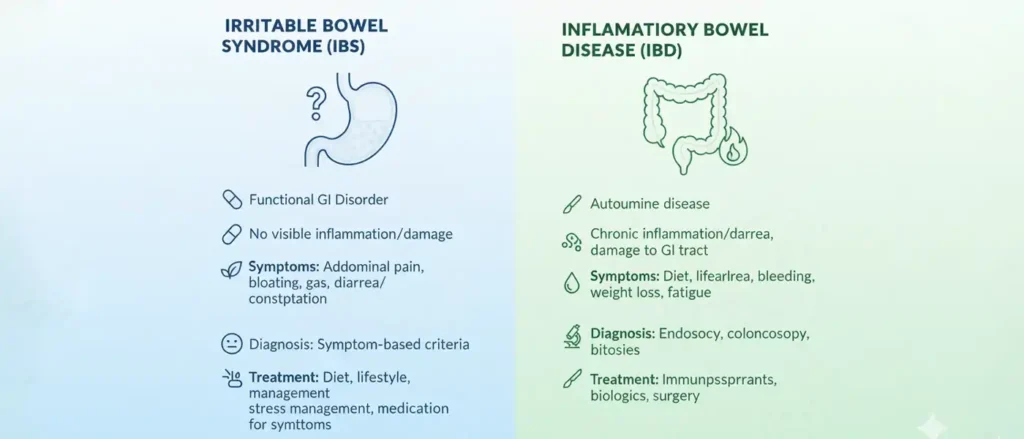
IBS (Irritable Bowel Syndrome)
The diagnostic criteria are specific. You must experience pain associated with bowel movements at least one day per week for three months. That’s the baseline.
First-line therapy focuses on the basics:
Start by assessing your fiber distribution. Don’t binge on fiber all at once. Your gut needs gradual introduction. Next, limit specific triggers. These include excessive fruit portions (fructose overload), polyols in sugar-free products, alcohol, spicy foods, and caffeine. Additionally, hydration is absolutely key.
Second-line therapy brings in the Low FODMAP diet.
Here’s the crucial part everyone gets wrong. This is a temporary medical diet, lasting 4 to 6 weeks maximum. It’s not a lifestyle. Why? Because it starves your gut of prebiotics. Therefore, reintroduction is mandatory. Skipping this step damages your microbiome long-term.
🗣️ Pro Tip: Working with a specialized dietitian during Low FODMAP is essential. Going it alone often leads to unnecessary restriction and nutrient deficiencies. Gut Health for Women requires expert guidance, not guesswork.
Third-line therapy involves neuromodulators.
These are low-dose antidepressants. They calm the hypersensitive gut-brain connection. This approach works because your gut has its own nervous system.
SIBO (Small Intestinal Bacterial Overgrowth)
What exactly is SIBO? Bacteria from your large intestine migrate upward into the small intestine. They don’t belong there. Consequently, symptoms develop.
Diagnosis poses challenges. Breath tests aren’t always black and white. Many factors affect results.
Treatment focuses on several strategies:
Antibiotics like Rifaximin are often prescribed. However, there’s more to the story. Your body has a natural “cleaning wave” called the Migrating Motor Complex. This sweeps bacteria downward through your digestive tract. Therefore, spacing meals with 4-hour gaps is crucial. It gives your gut time to sweep properly.
Additionally, certain medications interfere with this process. Proton Pump Inhibitors, for example, can worsen SIBO. Always review medications with your healthcare provider.
The Gut-Brain Axis: Where Mental Health Begins
Let me tell you about the landmark SMILES trial. It changed everything we know about depression treatment.
In this groundbreaking study, researchers found that about one-third of participants with moderate-to-severe depression achieved remission using a Mediterranean-style diet focused on gut health. Meanwhile, only 8% in the control group experienced remission. That’s a nearly fourfold difference.
Think about that for a moment. Food became medicine. Moreover, the improvements directly correlated with dietary changes. The more participants improved their diet, the better their mental health became.
In my decades of reporting, I’ve watched countless health trends come and go. However, the gut-mood connection stands apart. I remember being skeptical initially. Then I swapped my deadline-induced sugar cravings for fermented foods. The lift in my mental clarity was profound. It changed my entire approach to health reporting.
What specific therapies support the anxious gut?
Gut-directed yoga flows offer quick relief. Just 10 minutes of cat-cow poses can relax your enteric nervous system. It’s like a massage for your gut nerves.
Furthermore, gut-directed hypnotherapy shows remarkable results. Studies demonstrate it’s as effective as the Low FODMAP diet for some IBS sufferers. Your mind truly influences your gut.
The Super Six: Your Gut-Brain Axis Diet Foundation
Here’s the golden rule: Focus on inclusion, not restriction. This mindset shift is everything. Therefore, stop asking “What can’t I eat?” Instead, ask “What haven’t I fed my microbes today?”
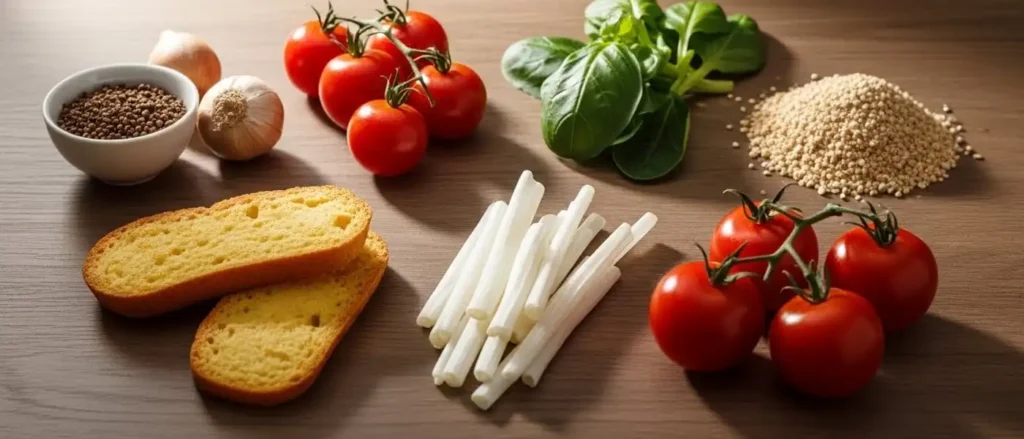
Dr. Rossi identifies six essential food groups. These are the Super Six:
1. Whole Grains Quinoa, oats, buckwheat. These provide fiber your microbes crave.
2. Fruits Berries and dates top the list. They’re antioxidant powerhouses.
3. Vegetables Frozen cauliflower and leafy greens make this easy. Moreover, frozen vegetables are just as nutritious as fresh.
4. Legumes Chickpeas, lentils, and butter beans. These are protein-rich and gut-friendly.
5. Nuts & Seeds Walnuts and chia seeds deliver omega-3s and fiber.
6. Herbs & Spices Don’t underestimate these flavor boosters. They count toward plant diversity.
The diversity goal? Aim for 30 different plants per week. Each plant type feeds different microbial species. Consequently, your microbiome becomes more resilient.
📈 Pro Tip: Keep a simple tally on your phone. Count each unique plant food. You’ll be surprised how quickly you reach 30 when you’re intentional about it.
The Fermented Foods Revolution
Stanford researchers made a fascinating discovery. Six servings of fermented foods daily reduced inflammation markers significantly. The participants’ immune systems functioned better. Additionally, their gut diversity improved.
Studies have shown that people eating 30 or more different plants weekly demonstrated more beneficial microbial composition than those consuming only ten plants.
Which fermented foods should you choose? Kefir, kimchi, kombucha, and live yogurt all work. Start small if you’re new to these. Your gut needs time to adjust.
The Truth About Probiotics (Save Your Money)
Here’s what the supplement industry won’t tell you. Most people take random probiotics with zero evidence they work for their specific issue. It’s a waste of money.
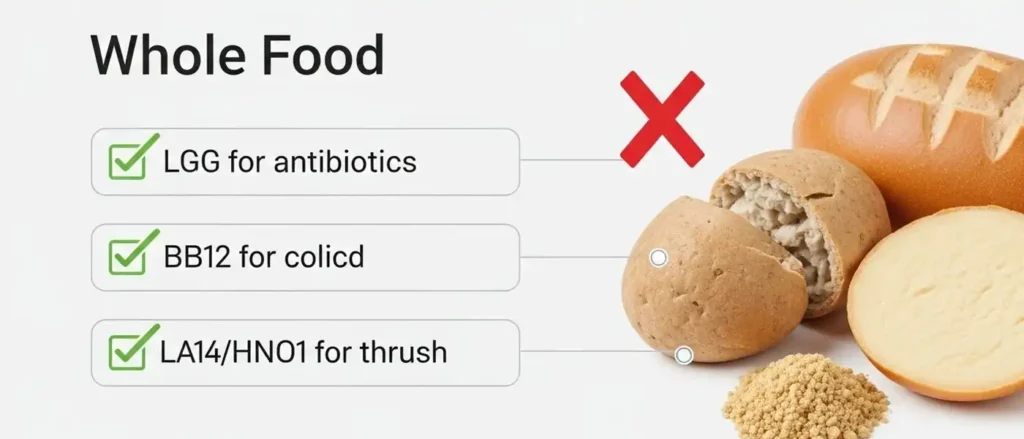
When should you actually take probiotics?
Specific strains matter tremendously. Taking antibiotics? Use strain LGG during treatment and for one week after. Baby has colic? Strain BB12 shows clinical evidence. Struggling with vaginal thrush? Strains LA14 and HNO1 with Lactoferrin work specifically for this. These recommendations come from IBS vs SIBO Symptoms research and clinical trials.
For general health? There’s no evidence for daily probiotics “just in case.” Instead, focus on food. Fermented foods provide diverse bacterial strains naturally. They’re also cheaper and more enjoyable than capsules.
Commercial Microbiome Tests: Dr. Rossi’s Verdict
Those trendy “poop tests” flooding Instagram? Save your money. The science isn’t there yet to prescribe diets based on these tests. They can’t tell you actionable information that changes clinical recommendations. Marketing has outpaced the science.
What supplements are actually worth taking?
Vitamin D supports your gut lining. If you’re not eating oily fish twice weekly, consider omega-3 supplements. For constipation, psyllium husk helps. Additionally, peppermint oil capsules ease IBS spasms. These have solid evidence behind them.
Hormones: The Estrobolome Connection
Let’s talk about something fascinating. The estrobolome. This refers to specific gut bacteria that recycle used estrogen back into your body. Consequently, your microbiome directly influences your hormone levels.
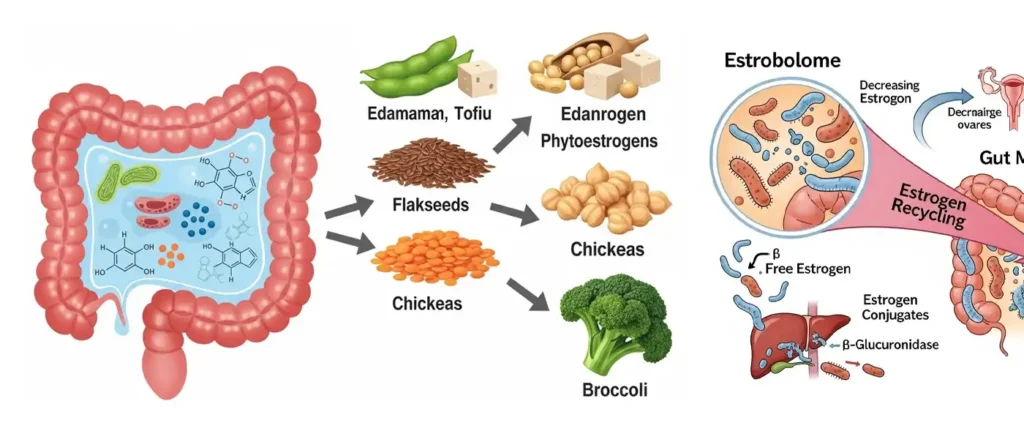
Menopause Strategy
During menopause, certain dietary shifts become crucial. First, increase phytoestrogens. Soy products work well here. Next, boost protein intake to 1.2-1.3 grams per kilogram of body weight. This combats muscle loss. Additionally, load up on antioxidant-rich foods like berries and walnuts. They fight oxidative stress.
The Estrobolome and menopause connection is getting more attention in research. Your gut health influences hot flashes, mood swings, and weight gain during this transition.
PCOS and Insulin Resistance
Polycystic Ovary Syndrome often involves insulin resistance. Therefore, pairing fruit with protein helps stabilize blood sugar. Try berries with Greek yogurt. This combination prevents glucose spikes while feeding beneficial bacteria.
Endometriosis
Emerging research links the microbiome to pelvic pain. While the science is still developing, many women report symptom improvements with gut-focused dietary changes. This area deserves more research funding and attention.
Your Actionable Gut-Brain Axis Diet Cheat Sheet
Let’s make this practical. Overwhelm helps no one. Instead, focus on small, consistent changes.
Mindset Shift: Stop counting calories. Start asking: “What have I fed my microbes today?” This single question changes everything.
Easy Kitchen Wins:
Keep frozen berries in your freezer. They’re perfect for smoothies. Similarly, stock frozen cauliflower. It blends seamlessly into meals. Additionally, canned mixed beans make legumes effortless. Open a can, rinse, and add to any dish.
Dr. Rossi’s Breakfast: She starts her day with overnight oats. She adds kefir, dates, shredded carrot, and chia seeds. This simple meal hits multiple Super Six categories.
The “Add One” Method: Don’t overhaul your life overnight. That’s a recipe for failure. Instead, add one Super Six category per week. Start with whole grains next week. Then add a new vegetable the following week. This gradual approach works because it’s sustainable.
Which specific foods trigger the production of “happy hormones” like serotonin in the gut? Foods rich in tryptophan, omega-3s, and fiber support serotonin production. These include fatty fish, eggs, nuts, seeds, and diverse plant foods. Your gut bacteria actually produce neurotransmitter precursors.
The Timeline Question Everyone Asks
How quickly can a beginner expect to see improvements in brain fog or anxiety after changing their diet?
Honestly, it varies. Some people notice shifts within days. Others need several weeks. The Smiles Trial depression study showed significant improvements at 12 weeks. However, many participants reported feeling better much sooner.
Your baseline matters. If you’re starting from a highly processed diet, changes may feel dramatic within 7 to 10 days. Conversely, if you already eat fairly well, improvements might be subtler.
Can a Gut-Brain Axis Diet be effective even if you don’t have obvious digestive issues like bloating?
Absolutely. Your gut affects far more than digestion. It influences mood, energy, skin health, and immune function. Therefore, you don’t need gut symptoms to benefit from gut-focused eating. The gut-directed yoga benefits extend beyond digestive relief to overall stress reduction.
Taking Action: Your 10-Day Challenge
Ready to start? Begin with a simple 10-day experiment. Here’s your framework:
Days 1-3: Add one fermented food daily. Start with a small serving of kefir or yogurt.
Days 4-6: Introduce one new plant food each day. Try a vegetable you’ve never eaten before.
Days 7-10: Practice the 4-hour meal spacing. This supports your gut’s cleaning wave.
Track your mood, energy, and digestion in a simple journal. You’ll start noticing patterns. Moreover, you’ll see which foods make you feel best.
The Bigger Picture
We’re witnessing a paradigm shift in medicine. Treatment is moving from symptom management to root cause care. The microbiome sits at the center of this revolution.
Your gut is a muscle. Like any muscle, you can train it. You can make it stronger and more resilient. However, this takes consistency, not perfection.
The Gut-Brain Axis Diet isn’t about restriction. It’s about abundance. It’s about feeding the trillions of microbes that keep you healthy and happy. Furthermore, it’s about recognizing that mental health starts in your belly.
Think of your microbiome as a garden. What you plant matters. How you tend it matters. Moreover, diversity creates resilience. A garden with 30 different plants thrives better than one with just three.
Probiotics for vaginal health (thrush) and other specific issues have their place. However, the foundation is always food. Real, diverse, plant-rich food.
As I’ve learned through years of reporting and personal experience, treating the gut is often the missing link in managing mental health. True emotional stability requires a nourished microbiome. This isn’t alternative medicine. It’s the future of medicine.
What have you fed your microbes today?

 By
By
 By
By



 By
By


